Whether an American Shorthair Needs a Warm Bed
It's a common thought that all cats, with their love for sunny spots and cozy blankets, inherently crave a warm bed. When you're welcoming an American Shorthair into your home, you might wonder if investing in a heated cat bed or a super-plush, insulated haven is a necessity. The truth is, while many cats appreciate warmth, the hardy American Shorthair has a unique history and robust physiology that means their needs might be a little different from what you'd expect, and understanding their natural inclination for comfort is key to providing them with the best sleeping arrangements. This guide will help you decipher whether your American Shorthair truly needs a warm bed or simply a comfortable, safe space to rest their weary, mouser-instinct body.
The American Shorthair's Natural Hardiness and Coat
To truly understand an American Shorthair's comfort needs, we have to look back at their lineage. These aren't fragile, delicate creatures bred for extreme features. Far from it! They are descendants of working cats, bred for utility and resilience, not luxury.
Ancestry of the All-Weather Cat
The American Shorthair's ancestors weren't lounging on velvet cushions; they were busy earning their keep on farms and ships. Imagine a cat sailing across vast oceans, combating rodent infestations on long voyages. These were tough, adaptable felines. Ships Carried the American Shorthair's Ancestors as Ratters highlights their crucial role, and it tells you a lot about the kind of cat they were – self-sufficient and capable of handling varying environments. Later, as early settlers moved inland, these cats continued their vital work, becoming integral to controlling pests in barns and homesteads. How Farm Work Shaped the American Shorthair further underscores how their environment molded them into robust, practical animals. This deep history of working outdoors, enduring different climates and conditions, has ingrained a certain hardiness in the breed. They weren't designed to be pampered in every sense, but rather to thrive in functional comfort.
The Purpose-Built American Shorthair Coat
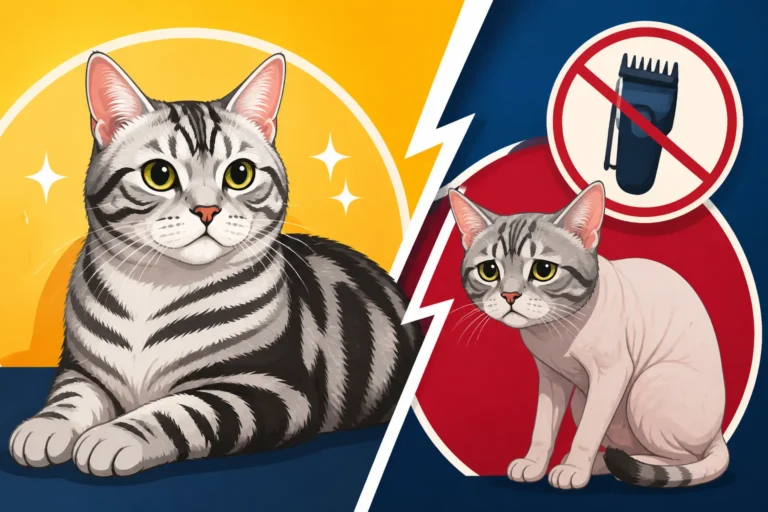
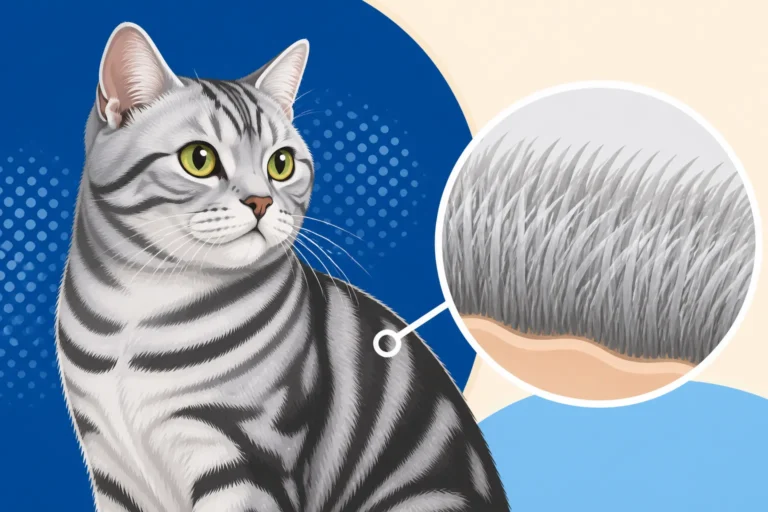
One of the most defining characteristics of the American Shorthair that directly influences their need for a warm bed is their incredible coat. It's not just pretty; it's a marvel of natural engineering. The American Shorthair's Coat Was Built for Weather, Not a Judge perfectly sums this up. Their short, dense, and slightly stiff guard hairs are designed to offer protection from the elements. This coat sheds water efficiently and provides a decent layer of insulation against both cold and heat. It's a double coat, meaning they have a softer undercoat for warmth and a coarser outer coat for protection.
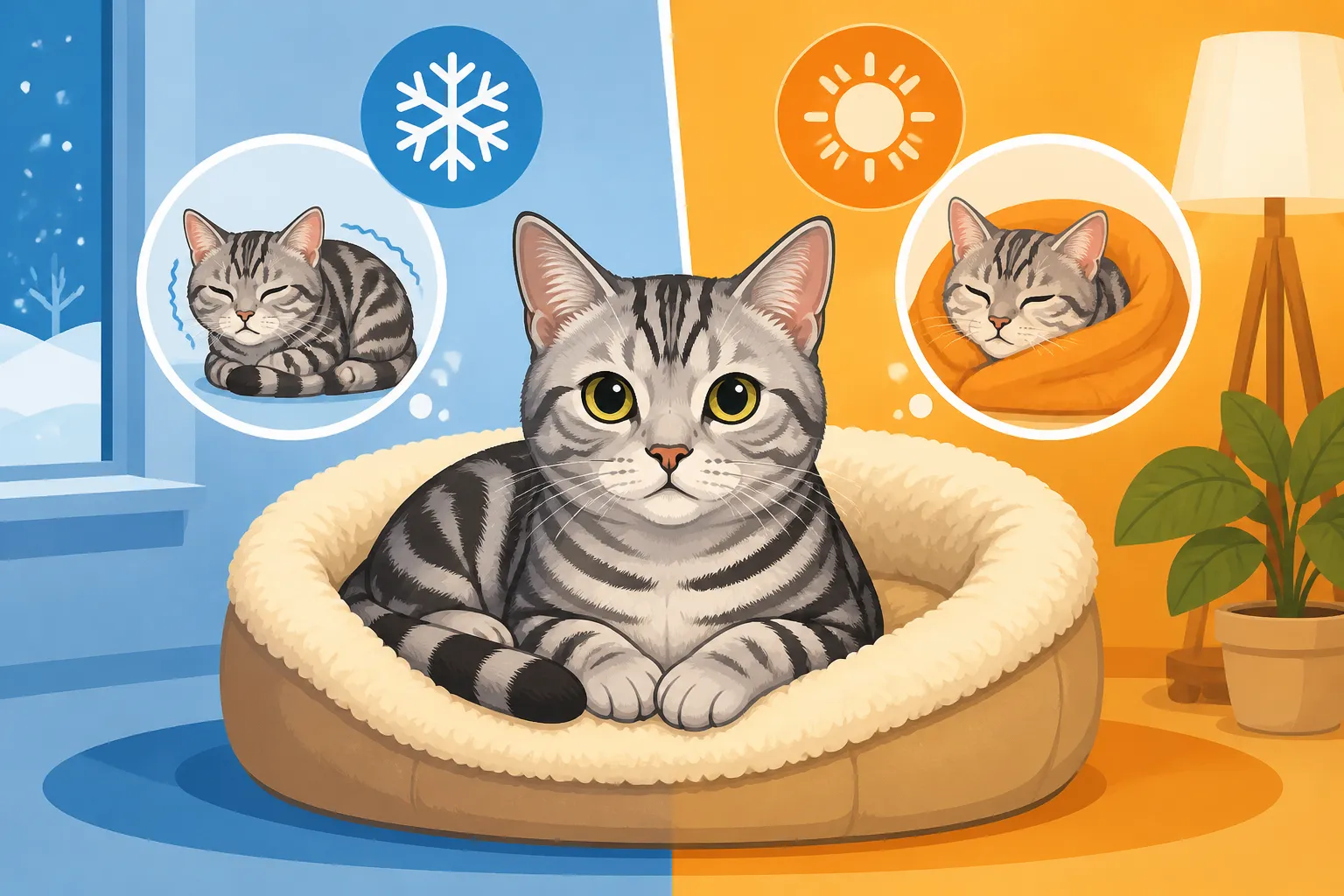
This specialized coat meant their ancestors could navigate chilly decks or drafty barns without constant human intervention for warmth. Their coat naturally thickens for winter, offering an extra layer of insulation against colder temperatures, then thins out as summer approaches to help them stay cool. Why an American Shorthair's Coat Thickens for Winter explains this seasonal adaptation. While they are now mostly indoor cats, their physiology hasn't forgotten these historical adaptations. So, while a plush bed is nice, a specifically warmed bed isn't always a biological necessity for every American Shorthair, thanks to their natural fur coat.
Factors Influencing an American Shorthair's Need for Warmth
Even with their robust lineage and natural coat, not every American Shorthair is the same. Several factors can influence whether your individual cat might genuinely benefit from a warmer sleeping spot.
The Role of Age and Health
As our beloved American Shorthairs grow older, their bodies naturally start to change, and their ability to regulate temperature can be affected. An older cat, much like an older person, might feel the cold more acutely. Caring for an American Shorthair Past Twelve touches on the shifts in their needs as they enter their senior years. They might become less active, have a slower metabolism, or develop conditions that impact their circulation or joint health. For instance, arthritis can make moving around to find a warm spot painful, and a comfortable, warm bed can be a huge relief. How an Old American Shorthair Shows Its Joints Hurt illustrates how subtle changes in their behavior can signal discomfort.
Similarly, underlying health conditions can increase a cat's need for external warmth. Cats recovering from surgery, dealing with illnesses that cause lethargy, or those with conditions like hyperthyroidism (which can make them feel colder) might seek out extra warmth. Even a simple cold or a temporary dip in appetite can make them more sensitive to cool temperatures. In these cases, a truly warm bed isn't just a luxury; it can be a vital part of their comfort and recovery. It’s always best to consult your vet if you notice your senior or ailing American Shorthair constantly seeking heat.
Individual Preferences and Household Environment
Just like people, every American Shorthair has its own personality and preferences. Some cats are natural sun-worshippers, always seeking out the brightest, warmest patch of sunlight, regardless of their age or health. Others prefer cooler, secluded spots, even on a chilly day. You'll observe their habits – do they gravitate towards radiators, or do they prefer the cool tile floor? Where an American Shorthair Chooses to Sleep can give you insights into their natural inclinations.
The ambient temperature of your home also plays a significant role. If you keep your house consistently warm, say above 70°F (21°C), your American Shorthair might not need any additional heat. However, if you live in a colder climate and your home temperatures drop significantly at night or when you're out, a warmer bed could be beneficial. Drafty areas, uninsulated rooms, or even just a particularly chilly corner can make a difference. The presence of other pets or even children can also impact where and how comfortably your American Shorthair sleeps. A busy household might mean they seek out quieter, warmer, more secluded spots to get uninterrupted rest.
Evaluating Different Bedding Options
So, if a warm bed might be beneficial, what are the options, and how do you choose the right one for your American Shorthair? There's a wide range of choices out there, from simple to sophisticated.
Basic Comfort: Plush Beds and Natural Materials
For many American Shorthairs, a basic, plush cat bed is more than sufficient. These beds offer soft cushioning and some insulation without generating artificial heat. Look for beds with high sides or a "cave" design, as these naturally trap body heat and provide a sense of security that many cats appreciate. You can easily find a fantastic selection of these on retailers like Chewy or Amazon. Materials like fleece, faux fur, or even dense cotton can provide a lovely, inviting spot.
Think about what your cat already seeks out. If they love snuggling into a pile of blankets or curling up on a soft sweater, a plush bed will likely be a hit. Whether an American Shorthair Needs Bedding at All suggests that even a simple blanket can be enough for their needs. You can enhance the warmth of a standard bed by adding a soft blanket or an old sweater, giving them something to knead and burrow into. Placing these beds in sunny spots or in a quiet, draft-free corner of a room will naturally make them more appealing.
Specialized Warmth: Heated and Self-Warming Beds
This is where the "warm bed" question really comes into play. If you've determined your American Shorthair could use some extra warmth, these options are worth considering.
Self-Warming Beds
These ingenious beds work by reflecting your cat's own body heat back to them. They usually contain a layer of Mylar or a similar material hidden within the bed's padding. They don't require electricity, making them safe and energy-efficient. They offer a gentle, consistent warmth that can be very appealing, especially to older cats or those who just prefer a bit of extra coziness. They're also great for cats who might be wary of anything too overtly "hot." You can often find these in various styles and sizes on Amazon or Chewy.
Electric Heated Beds
These beds come with an electrical heating element, typically with a thermostat to maintain a safe and consistent temperature, usually just above a cat's body temperature. They are fantastic for:
- Older cats: Especially those with arthritis who struggle with cold joints or poor circulation.
- Cats recovering from illness or surgery: The warmth can aid comfort and healing.
- Cats in particularly cold environments: If you have a drafty area or keep your home cooler.
- Cats with a strong preference for warmth: Some cats just adore a toasty spot.
When choosing an electric heated bed, safety is paramount. Always look for beds specifically designed for pets, with chew-resistant cords and automatic shut-off features. Make sure the heating element is safely enclosed and the temperature is regulated. It's crucial to follow the manufacturer's instructions carefully and place the bed in a safe location where the cord isn't a trip hazard or easily accessible for chewing. Avoid using human heating pads, as they can get too hot for a cat's delicate skin.
Here's a quick comparison of bed types:
| Bed Type | Pros | Cons | Best Suited For |
|---|---|---|---|
| Standard Plush Bed | Soft, comfortable, affordable, easy to clean | No added warmth beyond natural insulation | Most healthy adult American Shorthairs, warm homes |
| Cave/Igloo Bed | Provides security, traps body heat | May not be chosen by all cats, can be bulky | Cats who like to burrow, seek solitude, or naturally feel cold |
| Self-Warming Bed | No electricity needed, gentle heat, safe | Less intense warmth than electric, effectiveness varies by cat | Mildly chilly cats, eco-conscious owners, all ages |
| Electric Heated Bed | Consistent, intense warmth, therapeutic | Requires electricity, higher cost, potential safety concerns if not chosen carefully | Senior cats, sick/recovering cats, very cold environments, warmth-lovers |
| Window Perch/Hammock | Provides mental enrichment, sunbathing spot | Not warm at night or on cloudy days, limited space | Cats who love to observe, sunbathe, or climb |
Creating a Holistic Comfortable Environment
Providing a bed is just one piece of the puzzle when it comes to ensuring your American Shorthair is truly comfortable. Their overall environment, routine, and even their diet play a role in how they perceive and react to warmth and cold.
Beyond the Bed: Strategic Placement and Enrichment
Where you place your American Shorthair's bed can be just as important as the bed itself. Pay attention to drafts – a seemingly cozy spot can quickly become uncomfortable if it's near a leaky window or door. Conversely, placing a bed in a sunny spot, even a standard plush one, can provide natural warmth during the day. Many American Shorthairs love a good window perch not just for the view but for the sun's warmth.
Cats, being territorial creatures, often like to have multiple sleeping spots around the house. This allows them to choose a location based on their current mood, the temperature, or even the activity level in the room. Consider placing one bed in a quiet, secluded area, another in a sunny window, and perhaps a third in a common area where they can be near family members while still having their own space. This empowers your cat to make choices that suit their comfort level throughout the day.
Even though they're not overtly demanding, ensuring your American Shorthair has plenty of mental and physical enrichment can contribute to their overall well-being, which in turn affects their sleep quality. They might not be actively mousing for their meals anymore, but their instincts remain strong. Providing toys that mimic prey, like those found on Amazon, and engaging in interactive play sessions can keep them active and content. An active cat is a healthy cat, and a healthy cat is better able to regulate its own body temperature and find comfortable resting positions.
Routine, Diet, and Overall Wellness
A consistent daily routine, including feeding times and play sessions, can provide a sense of security and reduce stress for your American Shorthair, contributing to better rest. Their diet also plays a crucial role in their ability to maintain body temperature and overall health. A high-quality diet provides the necessary nutrients to support their robust immune system and maintain a healthy coat. The core principle is that good food supports a healthy body capable of regulating itself. Feeding an American Shorthair That No Longer Hunts Its Food covers the importance of appropriate nutrition for these indoor athletes.
Regular vet check-ups are also indispensable, particularly as your American Shorthair ages. During these visits, your veterinarian can assess their overall health, including their joint condition, weight, and any subtle signs of illness that might make them more susceptible to feeling cold. If you suspect your cat is consistently cold or uncomfortable, bringing it up with your vet is the best first step. They can rule out any underlying medical issues and provide tailored advice for your specific cat's needs. Ultimately, creating a warm, safe, and stimulating environment, coupled with good nutrition and veterinary care, will ensure your American Shorthair lives a long, happy, and truly comfortable life, whether they ultimately choose a warm bed or just a sunny spot on the rug.
Disclaimer
This article is for general informational purposes only and does not constitute professional advice. Laws, prices and regulations vary by location and change over time. Consult a qualified professional for guidance on your specific situation.