How an American Shorthair’s Coat Differs From a British Shorthair’s Plush
It's a common sight at cat shows, or even just in pictures online, to see two distinct types of shorthaired cats, both incredibly popular, but with coats that look and feel completely different. Many people wonder, "Is there really that much difference between an American Shorthair and a British Shorthair coat, or is it just clever grooming?" Well, let me tell you, there's a world of difference, and understanding it not only helps you identify them but also informs how you care for these wonderful felines. This guide will dive deep into the unique characteristics of each breed's coat, explaining why they developed the way they did and what it means for you as an owner.
The American Shorthair's Resilient, Weather-Ready Coat
When you think of an American Shorthair, envision a cat that could confidently stroll through a brisk autumn field, its coat deflecting moisture and insulating against the chill. This isn't just a pretty picture; it's a direct reflection of its ancestry. The American Shorthair's coat is a testament to its working-class roots, built for practicality and resilience rather than plush aesthetics.
A Coat Built for Work, Not the Show Ring
Historically, the ancestors of the American Shorthair were invaluable members of households, farms, and even ships. Their primary job was pest control, and to do that effectively, they needed a coat that could withstand the elements. They weren't lounging on velvet cushions; they were out in barns, navigating cellars, and keeping grain stores free of vermin. This demanding lifestyle meant their fur had to be tough, durable, and protective. It's often described as hard, dense, and slightly coarse to the touch. This isn't a flaw; it's a feature. The firmness of the guard hairs provides an excellent first line of defense against scratches from bushes, minor scuffles, and certainly, against the biting wind or a sudden downpour. You won't find the soft, yielding texture of a British Shorthair here; instead, you feel a robust, resilient covering designed for a life of purpose. It’s a coat that screams, "I can handle anything!"
The Guard Hairs and Undercoat that Provide Protection
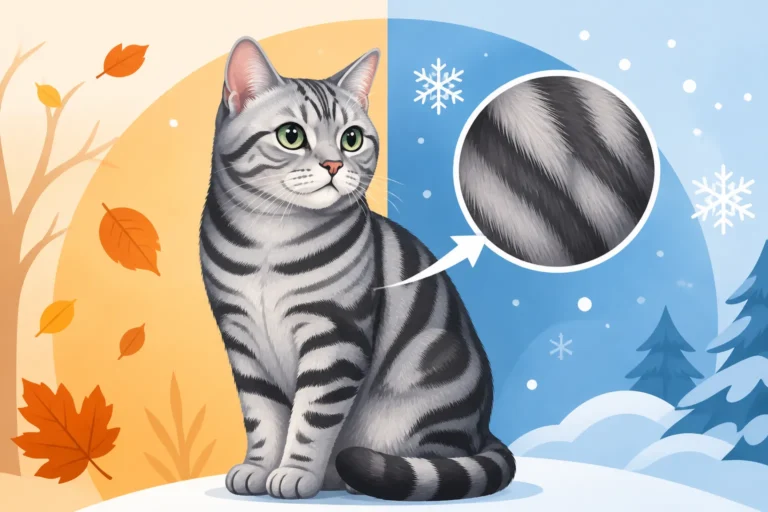
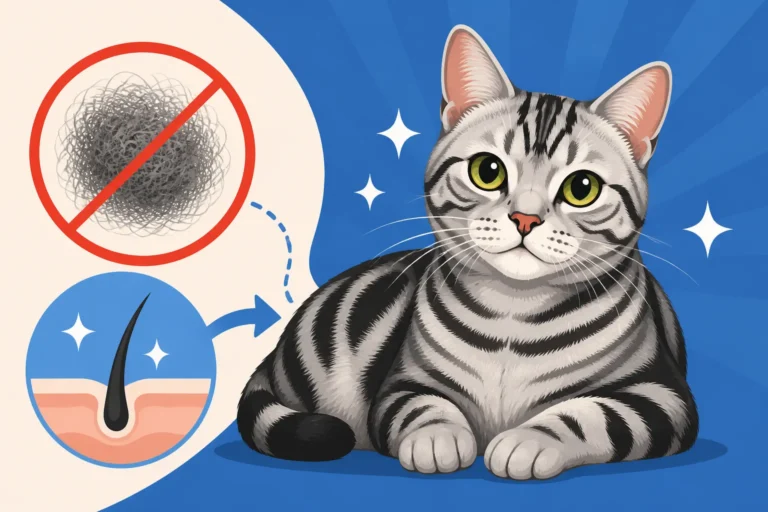
The secret to the American Shorthair's exceptional practicality lies in its double coat structure. It boasts stiff, strong guard hairs on top, which are relatively straight and lie close to the body. These guard hairs act like a natural raincoat, repelling water and protecting the softer, denser undercoat beneath. This undercoat provides vital insulation, keeping the cat warm in winter and helping to regulate body temperature in milder conditions. Think of it like a good quality outdoor jacket: a tough, water-resistant outer shell with a warm, breathable lining. This dual-layer system is incredibly effective, allowing the American Shorthair to adapt to various climates with ease. The American Shorthair's Coat Was Built for Weather, Not a Judge describes this perfectly.
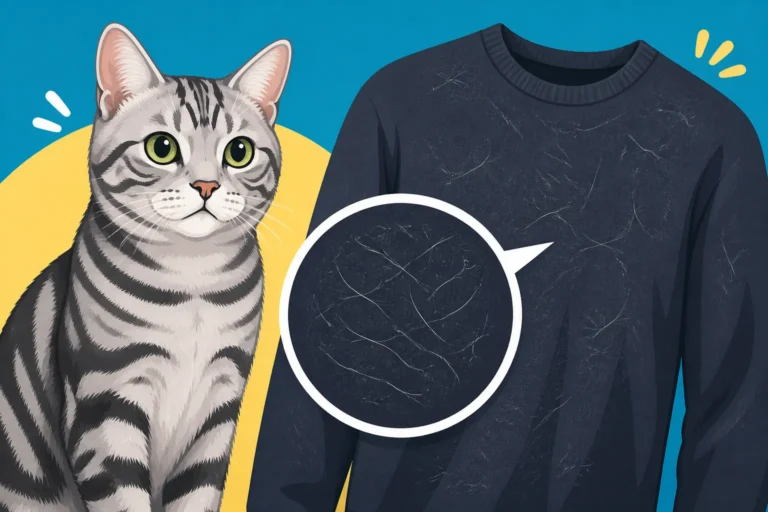
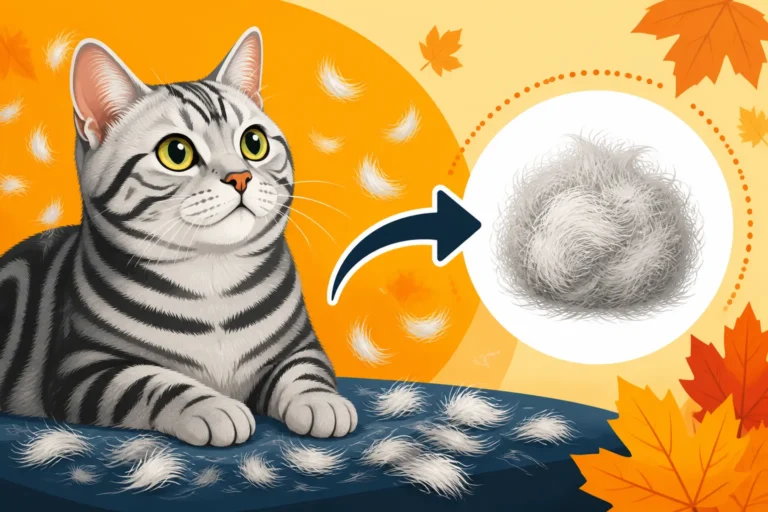
Because of this design, its coat doesn't easily mat or tangle, making it surprisingly low-maintenance in terms of daily grooming. While they do shed seasonally, particularly during spring and fall as their body adjusts its thermal regulation, a quick comb a couple of times a week is often all that's needed. This hardy coat is a direct contrast to many other breeds that have been selectively bred for extreme softness or length, often at the expense of practical resilience. It's truly a marvel of natural selection and purpose-bred efficiency.
The British Shorthair's Iconic Plush, Dense Fur
In stark contrast to its American cousin, the British Shorthair proudly sports a coat that is pure luxury. If the American Shorthair's fur is a working jacket, the British Shorthair's is a designer cashmere sweater – utterly delightful to touch and a key part of its iconic "teddy bear" appeal.
A Coat Bred for Beauty and Tactile Pleasure
The British Shorthair's journey saw it transition from a common street cat in Britain to a highly sought-after pedigree breed, celebrated for its robust build and distinctive fur. Over generations, breeders carefully selected for specific aesthetic traits, and the coat became a paramount feature. The result is a short, incredibly dense, and plush coat that invites touch. It doesn't have the "snap" or "hard" feel of the American Shorthair's fur. Instead, when you run your hand over a British Shorthair, it feels like a soft, springy carpet, yielding gently before springing back into place. This "plush pile" effect is what makes them so tactile and adds immensely to their charm.
This coat wasn't primarily designed for chasing rodents through damp fields, though their ancestors certainly did that. It was developed to be beautiful, to be admired, and to evoke a sense of warmth and comfort. This luxurious texture is one of the primary reasons many people fall in love with the breed. The sheer density of the fur means it stands away from the body slightly, enhancing their already rounded, substantial appearance. It gives them that cuddly, almost perpetually youthful look, no matter their age.
The Structure Behind the "Plush Pile" Feel
The unique feel of the British Shorthair's coat comes from its specific hair structure. While also a double coat, the hairs are uniformly dense and thick across the entire body, with an abundance of soft undercoat. Both the guard hairs and the undercoat are generally shorter and softer than those of the American Shorthair. This uniformity and high density are what create that signature "plush" texture that doesn't lie flat against the body but rather stands erect, giving it that soft, springy quality. There’s a noticeable resistance when you press into it, and then it bounces back beautifully.
This density, while lovely, does come with its own set of grooming considerations. While it doesn't tend to mat as easily as some long-haired breeds, the sheer volume of fur means that regular brushing is essential, especially during seasonal shedding periods. Without it, loose hair can build up, leading to tangles and even skin irritation. A good metal comb or a rubber grooming brush can be very effective in removing dead hair and keeping that plush coat looking its best. You can find excellent options for these tools on Amazon or Chewy. Understanding this dense texture is key to maintaining a healthy and happy British Shorthair.
Side-by-Side: Key Differences in Coat Characteristics
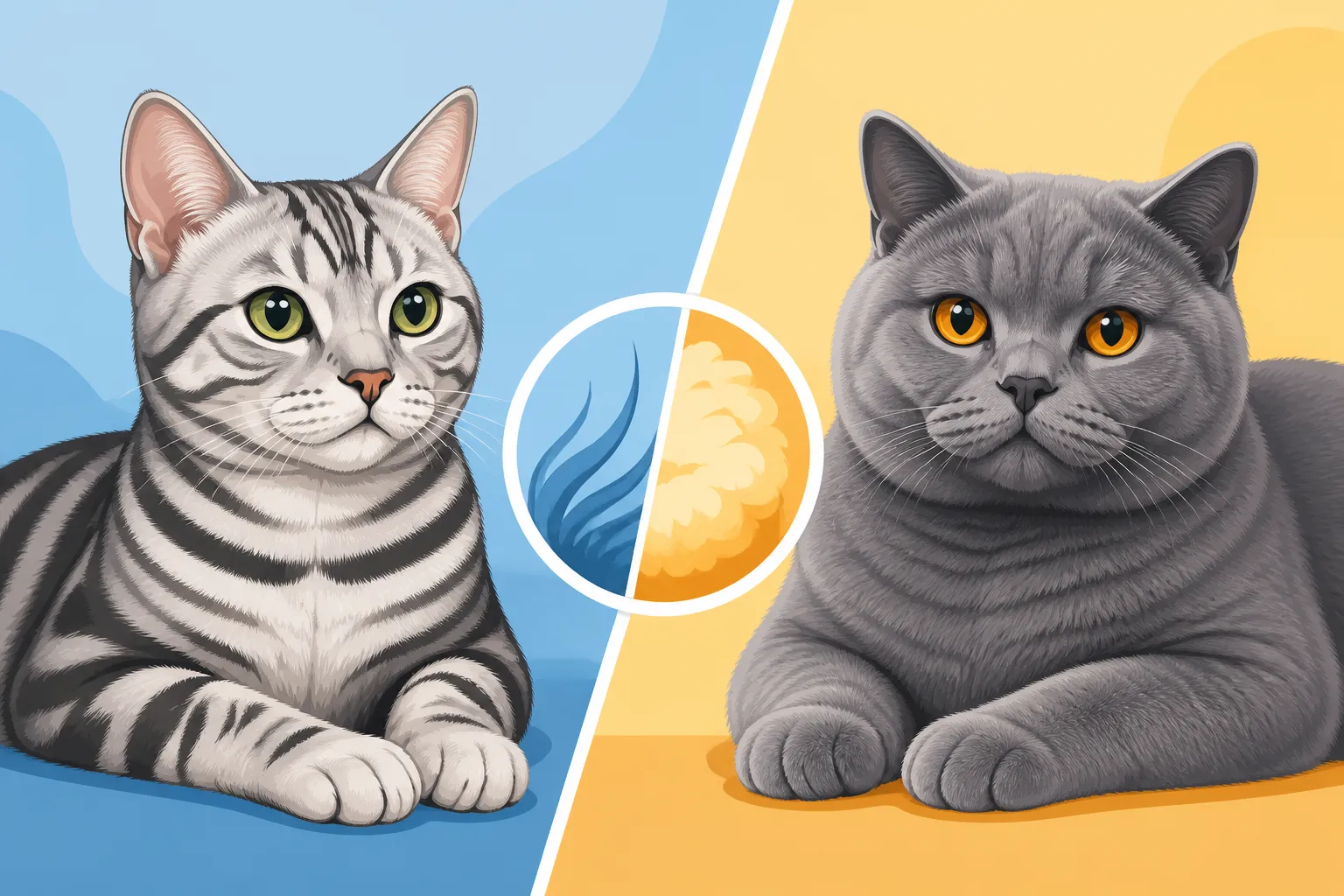
Putting these two breeds side by side, the differences in their coats become strikingly apparent. It’s not just a matter of subjective preference; it’s about tangible qualities that affect grooming, maintenance, and even how the cat interacts with its environment.
Texture, Density, and Shedding Patterns
Let's break down the core distinctions in their coats:
Texture:
- American Shorthair: Hard, dense, firm, slightly coarse, with a resilient feel. It feels like a strong, protective layer.
- British Shorthair: Soft, plush, dense, springy, like a velvet cushion or thick carpet. It feels luxurious and inviting.
Density:
- American Shorthair: Dense, but the primary function is protection from elements. The guard hairs are prominent.
- British Shorthair: Extremely dense, almost uniformly so, contributing significantly to its volume and plush feel. It's a hallmark of the breed's aesthetic.
Shedding:
- American Shorthair: Tends to shed seasonally, with noticeable heavier shedding in spring and fall as their coat adapts to temperature changes. Outside of these periods, shedding is moderate. An American Shorthair Sheds Twice a Year and Asks Nothing Else details this further.
- British Shorthair: Can shed more consistently year-round due to the sheer density of their fur, with increased shedding during seasonal changes. The large volume of hair means more attention to brushing is needed to manage it.
Here’s a quick comparison table:
| Feature | American Shorthair Coat | British Shorthair Coat |
|---|---|---|
| Primary Purpose | Protection, weather resistance, working durability | Aesthetic appeal, plush texture, "teddy bear" look |
| Feel/Texture | Hard, dense, firm, slightly coarse, resilient | Soft, plush, very dense, springy, velvet-like |
| Hair Length | Short, lying close to the body, often uniform | Short to medium-short, standing away from the body |
| Guard Hairs | Stiff, prominent, protective | Softer, less distinct from undercoat |
| Undercoat | Dense, provides insulation, complements guard hairs | Extremely dense, contributes largely to plushness |
| Matting Risk | Very low due to resilient texture | Low, but higher than American Shorthair due to density |
| Shedding | Moderate, pronounced seasonal shedding (spring/fall) | Moderate to high, can be more consistent, seasonal peaks |
Practical Implications for Owners
These coat differences have direct consequences for how you care for your feline friend. For an American Shorthair, grooming is generally straightforward. Their practical coat rarely mats, and a weekly brush with a Which Comb Suits an American Shorthair's Hard Coat like a good quality metal comb or a rubber mitt is often sufficient to remove loose hairs and stimulate the skin. During those heavier shedding periods, you might increase it to two or three times a week. They are quite adept at self-grooming, and their coats resist dirt and moisture well, meaning baths are a rare occurrence unless they've gotten into something truly messy.
British Shorthair owners, on the other hand, need to be prepared for a bit more dedication to grooming. That dense, plush coat, while beautiful, is more prone to holding onto loose hairs and can develop mats if neglected, particularly in areas like the armpits or behind the ears. Daily or every-other-day brushing with a slicker brush or a wide-toothed comb is recommended, especially during shedding seasons. This helps to prevent hairballs and keep their skin healthy. Regular grooming also minimizes the amount of cat hair floating around your home. When it comes to nutrition, ensuring they have a diet rich in omega fatty acids can also help maintain skin and coat health for both breeds. Investing in a good deshedding tool, readily available on Amazon, can also be a game-changer for British Shorthair owners.
Beyond the Surface: What the Coat Tells Us About the Breed
A cat's coat is more than just fur; it's a living tapestry woven with threads of history, environment, and purposeful breeding. For the American Shorthair and British Shorthair, their coats tell a compelling story about their past and their present.
Echoes of Ancestry in Every Strand
The American Shorthair's tough, resilient coat is a direct lineage from its working ancestors who arrived on ships with early settlers. These cats weren't pets; they were essential workers, tasked with keeping rodent populations under control in harsh, untamed environments. Their coats needed to be functional – repelling water, providing insulation against cold snaps, and being durable enough to withstand the rough-and-tumble of barn life. This history ingrained a practicality in their coat that breeders have deliberately maintained. When you touch an American Shorthair's fur, you're touching centuries of adaptation to a life of self-sufficiency and hardiness in the American landscape. It’s a coat built for survival and utility.
In contrast, the British Shorthair's plush coat reflects a different evolutionary path, one that moved more significantly towards domestication and aesthetic appeal. While their origins also lie in working cats, centuries of living in closer proximity to humans in Britain, and later, the dedicated efforts of breeders, transformed their appearance. The emphasis shifted from pure utility to a desirable companion animal. The soft, dense texture of their fur became a prized trait, contributing to their beloved "teddy bear" look and gentle demeanor. It's a coat designed to be stroked, admired, and to enhance their round, comforting presence. How the American Shorthair's Coat Differs From a British Shorthair's Plush is a great resource.
The Impact on Health and Comfort
While both breeds are generally robust and healthy, their distinct coats can have subtle implications for their comfort and care. The American Shorthair's coat, with its excellent weather-resistant properties, means they cope very well with varying temperatures. Why an American Shorthair's Coat Thickens for Winter is an example of this adaptability. However, even with such an efficient coat, regular checks for external parasites are always a good idea, especially if they have any outdoor access, using products easily sourced from Chewy. Their self-sufficient grooming habits also mean less risk of skin issues related to matted fur.
For the British Shorthair, their dense coat provides excellent insulation but can potentially make them more susceptible to overheating in very warm climates or during intense activity if not managed. Regular grooming not only prevents mats but also helps ventilate their skin, preventing potential hot spots. Both breeds require attention to diet to maintain healthy skin and fur, as nutrition plays a crucial role in coat quality. A balanced diet helps ensure their fur remains shiny, reduces excessive shedding, and supports overall well-being, regardless of whether it's a hard-wearing American Shorthair coat or a luxurious British Shorthair plush. Understanding these subtle differences helps us appreciate each breed for what it is and provide the best possible care.
Disclaimer
This article is for general informational purposes only and does not constitute professional advice. Laws, prices and regulations vary by location and change over time. Consult a qualified professional for guidance on your specific situation.