Whether the Coat Kept Ships’ Cats Warm on Deck
It's a common romantic notion to imagine cats curled up warmly on old sailing ships, but the reality for those ancestral felines, the very ones who eventually gave us the American Shorthair, was anything but glamorous. They weren't pampered pets; they were working crew members, battling not just rats but also the relentless, unforgiving elements of the open sea. This guide delves into how their remarkable coats were literally their first line of defense against the biting cold, driving rain, and constant dampness of life on deck, exploring the incredible evolution that turned a simple coat into a survival suit.
The Ancestral Life of Ships' Cats and Their Coats
Before the American Shorthair became the beloved, sturdy housecat we know today, its ancestors were hardened seafarers. These were not cats bred for looks or lap-sitting, but for sheer utility and survival. The rigors of life on board a ship, often for months or even years at a time, meant that only the toughest and most well-adapted felines made it.
The Harsh Realities of Sea Travel for Feline Companions
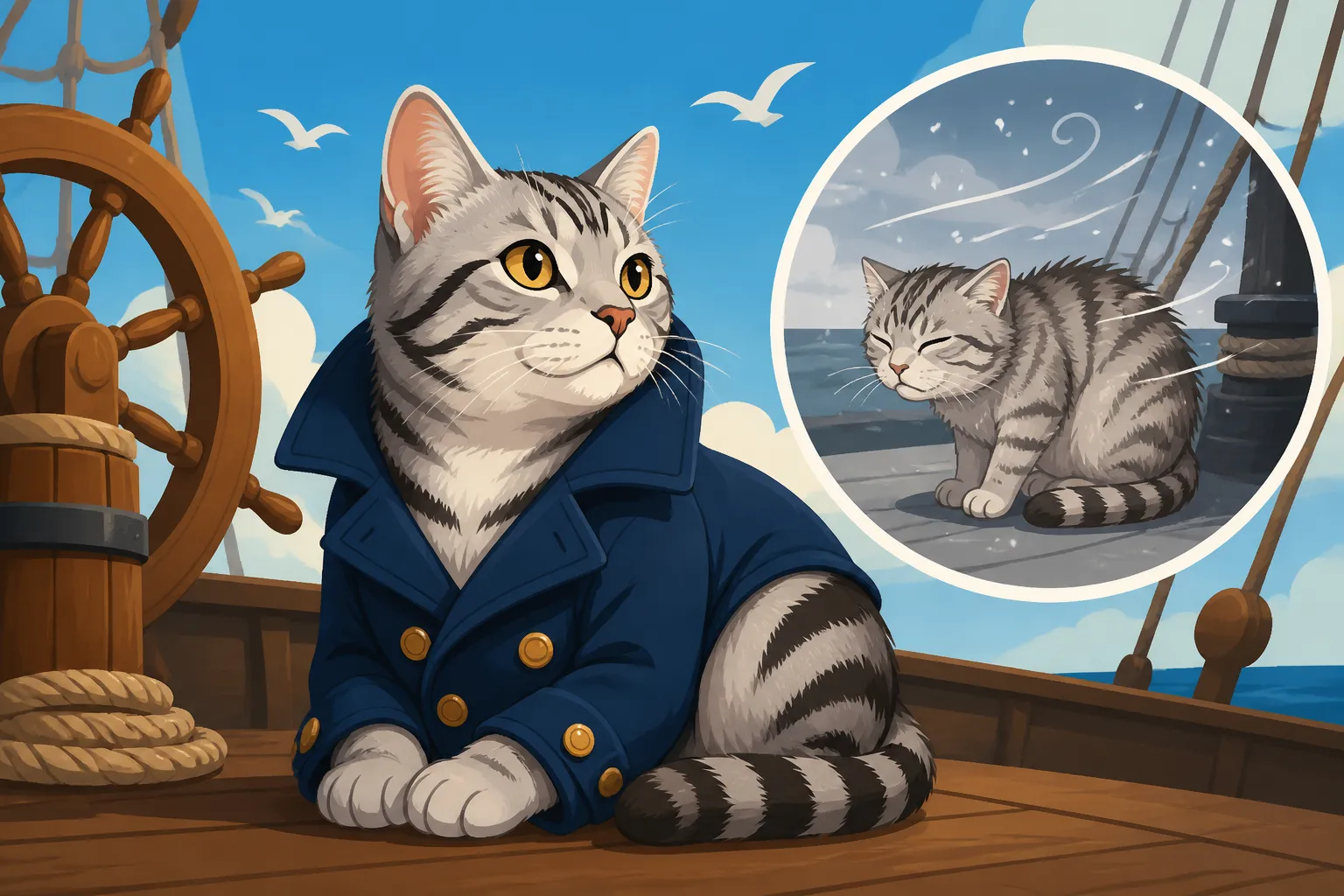
Imagine a wooden sailing ship, often leaky, constantly exposed to the salty spray and biting winds of the ocean. There was no climate control, no cozy beds in the captain's quarters for every cat. Most of these intrepid felines would have lived in the cargo holds, scurrying through cramped spaces, or finding shelter in nooks and crannies on deck. They faced constant dampness, frigid temperatures, and sudden storms that could drench them to the bone. Food was whatever they could hunt—primarily rats, which were an endless resource—or scraps from the crew. It was a life of ceaseless challenge, where comfort was a luxury rarely afforded. Ships Carried the American Shorthair's Ancestors as Ratters describes this arduous existence, highlighting their crucial role. This isn't just a historical footnote; it's the crucible in which the American Shorthair's physical characteristics, especially its coat, were forged.
Natural Selection and the Development of a Resilient Coat
In such a brutal environment, superficial traits mattered little. What truly mattered was survival. Cats with thinner, less effective coats would have succumbed to hypothermia, illness, or simply wouldn't have been able to thrive well enough to reproduce. This is where natural selection played its powerful hand. Over generations, the cats best equipped to withstand the cold, wet conditions passed on their genes. This meant a preference for traits that maximized insulation and protection: a dense, weather-resistant coat became paramount. It wasn't about aesthetics; it was about function. Their coat wasn't just hair; it was an evolved survival mechanism, a testament to the harsh demands of their maritime existence. The coat of an American Shorthair today, while perhaps not as critically vital for survival, still carries these ancient, practical adaptations.
Unpacking the American Shorthair's Double Coat Structure
The American Shorthair's coat isn't just a single layer of fur; it's a sophisticated, dual-layered system specifically designed for protection and warmth. This structure is a direct inheritance from its resilient seafaring ancestors, built to defy the elements. When you run your hand over an American Shorthair's fur, you might notice its distinct texture – it’s part of what makes it so effective.
The Guard Hairs: First Line of Defense
The outermost layer of an American Shorthair's coat consists of what are known as guard hairs. These aren't soft and plush; they're rather stiff, coarse, and dense. Their primary purpose is to act as a barrier against external threats. Think of them as a natural raincoat and windbreaker all in one. These hairs are designed to shed water and deflect wind, preventing moisture from reaching the skin and keeping the biting cold at bay. They have a certain springiness that allows them to stand up, creating a protective canopy over the softer undercoat. This stiffness also provided a degree of physical protection against minor scrapes and thorns that their ancestors might have encountered on land or sea. Why an American Shorthair's Guard Hairs Are Stiff delves deeper into this fascinating characteristic, explaining the science behind its texture and function.
The Undercoat: Insulation Against the Cold
Beneath the protective layer of guard hairs lies the crucial undercoat. This layer is much softer, denser, and incredibly fine, designed to trap a layer of warm air close to the cat's body. It acts like a down jacket, providing superb insulation. When the weather turned particularly frigid on those old ships, this thick undercoat would have been indispensable, keeping the cat's core temperature stable even in freezing conditions. The combination of the water-shedding guard hairs and the insulating undercoat creates an incredibly effective thermal barrier, allowing the American Shorthair's ancestors to maintain their body heat even in the most exposed environments. How Dense an American Shorthair's Coat Is further illustrates just how vital this layer is to their overall resilience.
Seasonal Changes and Coat Adaptations
Even today, long after their ancestors left the high seas for cozy homes, the American Shorthair retains the instinct for seasonal coat changes. You might notice your cat "blowing" its coat twice a year, typically in spring and autumn. This is a leftover adaptation from a time when the thickening and thinning of their fur was essential for survival. In preparation for winter, the undercoat grows significantly denser, providing maximum insulation. As warmer weather approaches, this heavy undercoat sheds to prevent overheating. Why an American Shorthair's Coat Thickens for Winter explains this phenomenon in detail. It’s a natural cycle that shows their deep connection to their past, even if your biggest temperature concern is adjusting the thermostat. This seasonal shedding, especially in spring, can surprise new owners, but it’s a perfectly normal process for the breed. How an American Shorthair's Coat Thins Toward Summer covers the other side of this natural transition.
How the American Shorthair's Coat Functioned as Insulation
The ingenious design of the American Shorthair's coat wasn't just a happy accident; it was a highly effective system that allowed their ancestors to survive and thrive in conditions that would challenge many modern cat breeds. This coat provided not just warmth, but also critical protection against the relentless dampness and unforgiving winds.
Trapping Warm Air: The Key to Staying Warm
The true magic of the American Shorthair's double coat lies in its ability to trap air. Air, when stagnant, is an excellent insulator. The dense undercoat creates a thick, fluffy layer close to the skin, effectively creating thousands of tiny air pockets. As the cat's body generates heat, this warm air gets trapped within these pockets, forming a thermal buffer against the colder external environment. It's the same principle behind double-paned windows or insulated jackets for humans. On a cold, drafty ship, this natural insulation was absolutely critical. Without it, the cats would quickly lose body heat, making them susceptible to hypothermia and illness. This robust internal heating system was non-negotiable for their survival.
Water Repellency and Its Importance at Sea
Beyond just trapping air, the guard hairs of the American Shorthair's coat are naturally coarse and often slightly oily. This combination makes them highly water-repellent. When rain or sea spray hit the coat, it would bead up and run off, much like water off a duck's back. This prevented the underlying fur from becoming saturated, which is crucial because a wet coat loses most of its insulating properties. Imagine being soaking wet in freezing temperatures; it's a fast track to hypothermia. The ancestral American Shorthair's coat ensured that moisture rarely penetrated to the skin, allowing the undercoat to remain dry and effective. Whether Rain Runs Off an American Shorthair directly addresses this vital aspect, showcasing how perfectly adapted these cats were to maritime life.
Beyond Just Warmth: Protection from Other Elements
While warmth was certainly a primary function, the American Shorthair's coat offered a suite of other protective benefits that were invaluable for a working cat. The dense outer layer provided a physical shield against the harsh winds that whipped across ship decks, preventing wind chill from stripping away body heat. It also offered a degree of protection against minor abrasions or scratches they might incur while navigating tight spaces or hunting in precarious environments. Furthermore, a thick, dense coat makes it harder for external parasites like fleas and ticks to reach the skin, offering an additional layer of defense in a time when veterinary care was nonexistent. The American Shorthair's Coat Was Built for Weather, Not a Judge perfectly sums up this functional design philosophy. This holistic protection allowed them to focus on their job – keeping the ship free of vermin – rather than succumbing to the elements.
Modern American Shorthair Coats Versus Their Ancestral Counterparts
It's clear the American Shorthair's coat was a survival tool for its ancestors, but how does that translate to the pampered indoor cats of today? While they might not be battling blizzards on a deck, their coat still carries the genetic blueprint of its hard-working past.
The Impact of Indoor Living on Coat Density
Modern American Shorthairs, living in climate-controlled homes, don't face the same extreme temperature fluctuations as their seafaring predecessors. This comfortable existence has subtly impacted their coats. While the underlying genetic programming for seasonal thickening and thinning remains, the extreme density often isn't as pronounced as it would have been in a cat living purely outdoors. Their winter coat might still be thicker, but perhaps not to the same degree as an ancestral cat fighting off ocean gales. This doesn't mean their coats are inferior; it simply reflects an adaptation to a less demanding environment. The resilience is still there, but the urgent need for maximum insulation has lessened, allowing for a slightly less dramatic seasonal change.
Grooming Needs and Maintaining Coat Health Today
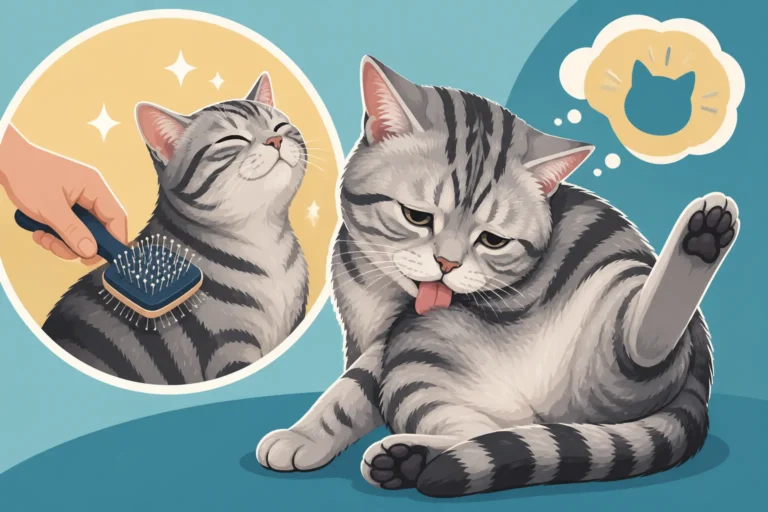
Despite their naturally low-maintenance coats, modern American Shorthairs still benefit from some basic grooming. Their dense fur, especially during seasonal shedding periods, can benefit from regular brushing to remove loose hair, reduce shedding around the house, and prevent hairballs. A sturdy, metal comb is often best for penetrating their thick guard hairs and reaching the undercoat. You can find excellent options on retailers like Amazon or Chewy, making it easy to keep their coat healthy and shiny.
Here's a quick guide to keeping that magnificent coat in top shape:
| Grooming Aspect | Ancestral Cat (Ship's Cat) | Modern American Shorthair (Indoor Cat) |
|---|---|---|
| Primary Method | Self-grooming, natural shedding | Self-grooming, with owner assistance |
| Frequency | As needed for survival and hygiene | Daily or weekly, especially during shedding seasons |
| Tool Reliance | None | Brushes, combs (e.g., from Chewy or Amazon) |
| Coat Benefits | Removes loose fur, prevents matting (rare), maintains shine | Reduces shedding in home, prevents hairballs, massages skin |
| Water Exposure | Constant exposure, natural repellency | Infrequent bathing, spot cleaning as needed |
| Dietary Impact | Whatever prey available | High-quality diet for skin & coat health |
This minimal intervention helps distribute natural oils, promoting a healthy sheen and preventing any potential matting, which is rare for the breed but not impossible, particularly in older or overweight cats. Which Comb Suits an American Shorthair's Hard Coat offers advice on selecting the right tools. A high-quality diet also plays a significant role in maintaining the luster and health of their coat from the inside out.
Comparing the American Shorthair's Coat to Other Breeds
The American Shorthair's coat stands apart from many other purebred cats. Unlike the plush, soft, and often high-maintenance coats of breeds like the British Shorthair or Persian, the American Shorthair's fur is designed for resilience and self-sufficiency. It's often described as hard to the touch, not because it's unpleasant, but because of the sturdy nature of its guard hairs.
- British Shorthair: Known for its dense, plush, and very soft coat that feels like a thick carpet. It requires more regular brushing to prevent matting due to its extreme density and softness.
- Persian: Famous for its long, flowing, and incredibly fine coat that demands daily grooming to prevent severe matting and tangles.
- Domestic Shorthair (Moggy): Often has a similar coat type to the American Shorthair, which makes sense given their shared ancestry, but without the consistent breeding for specific protective qualities.
How an American Shorthair's Coat Differs From a British Shorthair's Plush highlights these distinctions, emphasizing that the American Shorthair's coat is a testament to its practical, working-class origins rather than a pursuit of extreme aesthetics. It's a coat built for life, not just for show.
Disclaimer
This article is for general informational purposes only and does not constitute professional advice. Laws, prices and regulations vary by location and change over time. Consult a qualified professional for guidance on your specific situation.