What DNA Says About the American Shorthair’s Origin
Many of us look at our beloved American Shorthair and find ourselves wondering about their origins. They often share a striking resemblance with the everyday domestic shorthair cat we see everywhere, leading to natural questions about what truly makes them a distinct breed. It's a valid curiosity, especially given their reputation for robust health and a wonderfully calm demeanor. This guide will explore what modern DNA analysis has to tell us about the American Shorthair's fascinating history, separating the ancestral myths from the genetic realities and helping you appreciate the science behind their unique heritage.
The Feline Genetic Tapestry: Understanding DNA and Cat Breeds
When we talk about a cat's "DNA," we're really talking about a complex instruction manual that dictates everything from their fur color to their predisposition for certain health conditions. For centuries, tracing the lineage of animals relied heavily on appearance and anecdotal history. But today, science offers a much more precise lens through which to view a breed's past.
How DNA Traces Ancestry
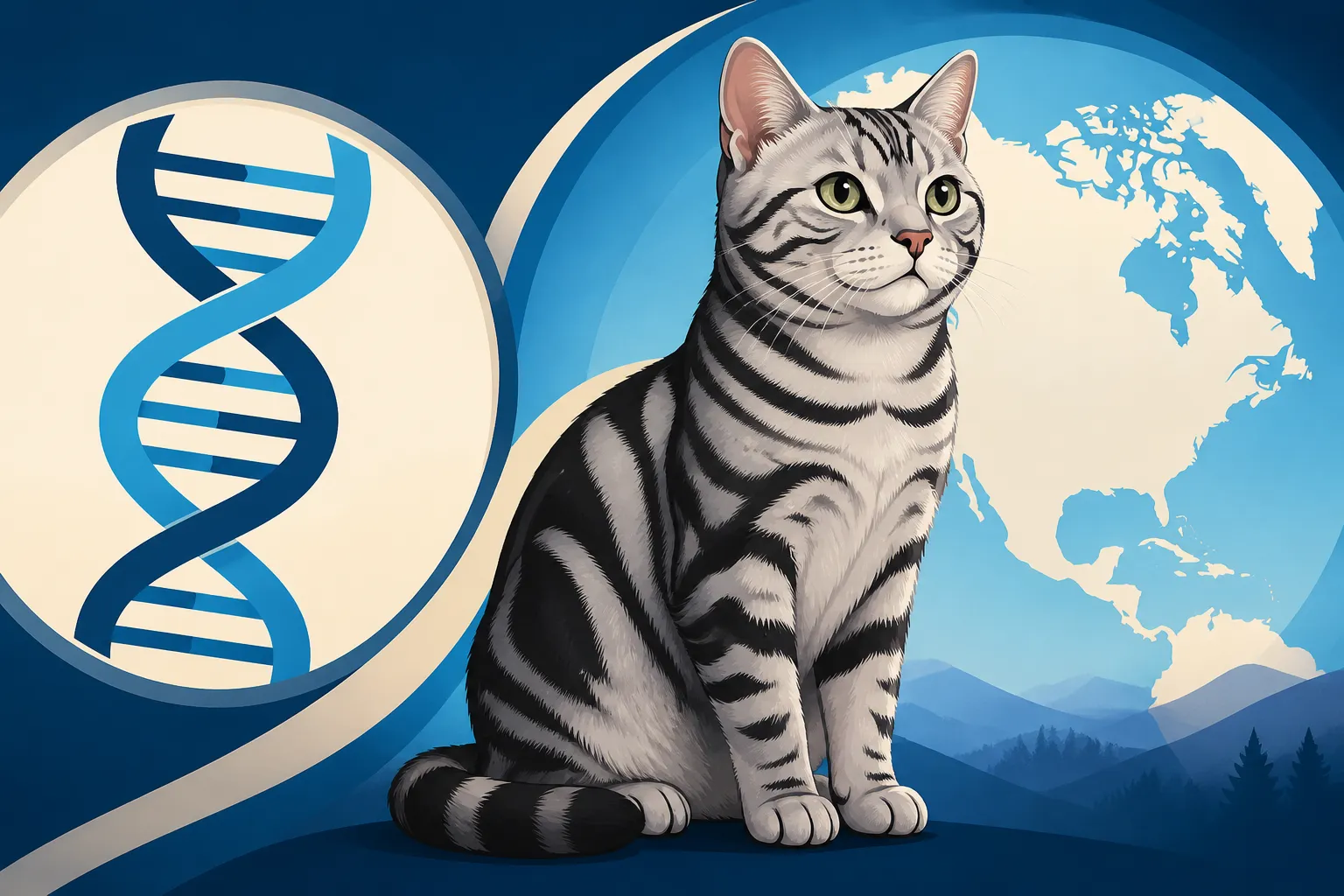
Think of DNA as a historical record embedded within every cell of your cat's body. Scientists can examine specific markers in this DNA, like tiny genetic signposts, to map out relationships between individuals, populations, and even entire breeds. By comparing the genetic profiles of many different cats, researchers can identify common ancestors and pinpoint the geographic regions where certain genetic traits originated. It’s like looking at a family tree, but instead of names, you’re seeing shared genetic sequences that tell a story spanning generations and continents. For a breed like the American Shorthair, whose early history is intertwined with the colonization of North America, this genetic detective work is crucial for understanding how they became the cat we know and love today.
When a cat breeder wants to understand the health risks in their lines or confirm the parentage of a kitten, DNA tests are invaluable. This scientific approach removes guesswork and provides concrete data. It’s a leap forward from simply relying on physical characteristics, which can sometimes be misleading. For instance, two cats might look very similar, but their DNA could reveal vastly different genetic backgrounds, affecting everything from their health to their temperament.
The Genetic Markers That Matter
Not all DNA is equally useful for tracing ancestry. Geneticists focus on specific regions of the genome that tend to vary between individuals or populations, known as genetic markers. These markers act like fingerprints, allowing researchers to distinguish one cat group from another. Some markers can even indicate if a cat carries genes for certain diseases, providing invaluable information for responsible breeding practices. For the American Shorthair, understanding these markers helps us see their journey from working cats aboard ships to beloved household companions.
Different types of genetic markers offer different insights. Mitochondrial DNA (mtDNA), for example, is passed down almost exclusively from the mother, making it excellent for tracing maternal lines back through history. Y-chromosome DNA, found only in males, is useful for paternal lines. Then there are autosomal markers, which are inherited from both parents and give a broader picture of overall genetic diversity and population relationships. Companies like Chewy often provide educational resources about various genetic tests available for pets, helping owners understand these complex topics. This rich tapestry of genetic information allows researchers to piece together a compelling narrative of feline migration and domestication. Whether the American Shorthair Has a Required DNA Panel delves into specific genetic testing relevant to the breed.
Unpacking the American Shorthair's Genetic Roots
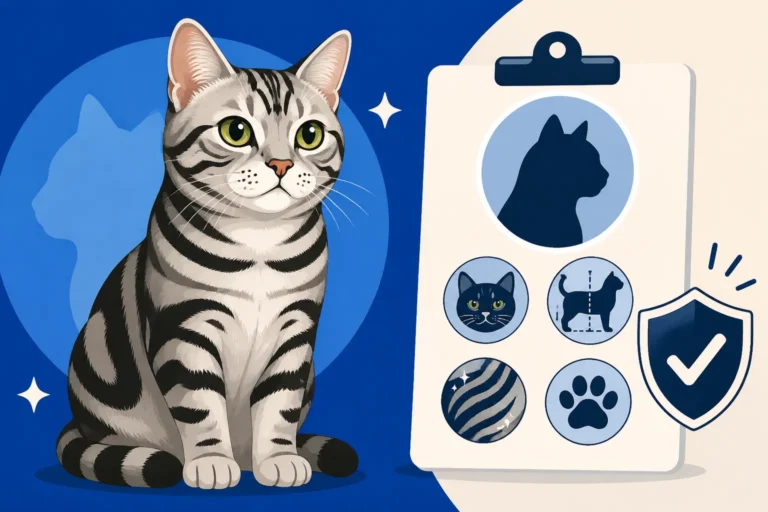
The American Shorthair is celebrated for its sturdy build, amiable personality, and remarkable hardiness—traits often attributed to its origins as a working cat. But what does its DNA actually reveal about these humble beginnings and its path to becoming a recognized breed? The genetic story confirms much of the historical narrative, painting a picture of practicality and resilience.
Tracing Back to European Ancestors
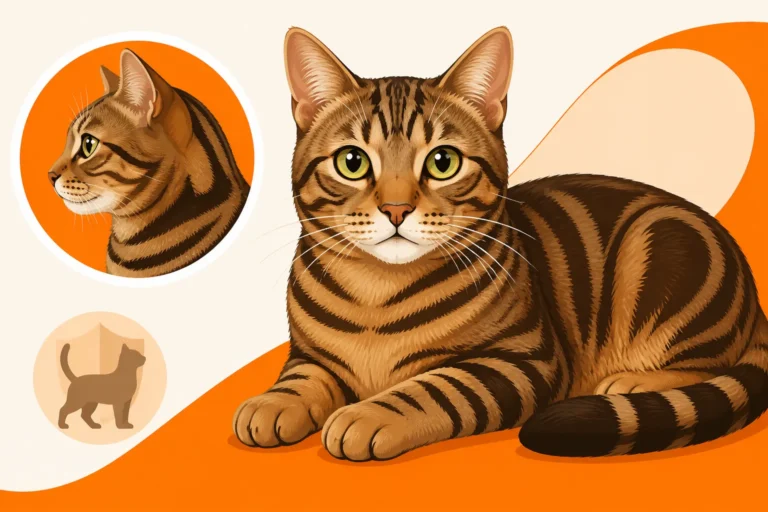
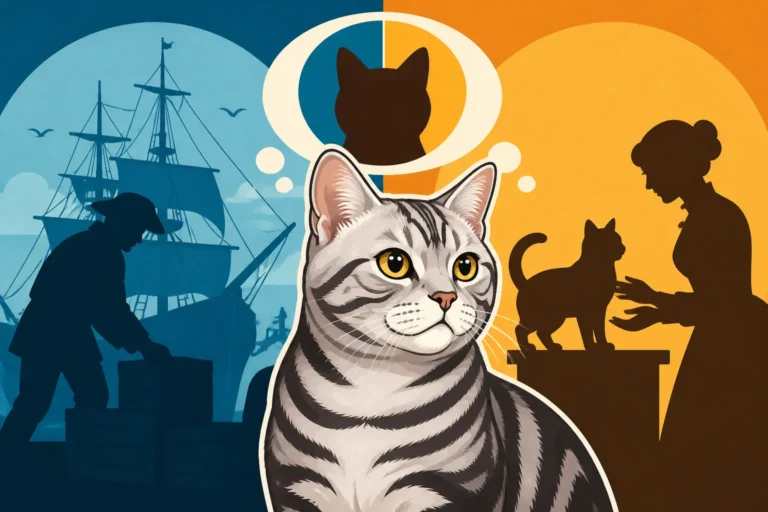
DNA analysis strongly supports the historical consensus that the American Shorthair's ancestors arrived in North America with European settlers. These cats weren't pampered pets; they were essential crew members on ships, valued for their ratting abilities, and they made the arduous journey across the Atlantic to protect vital food supplies from rodents. Their genetic signature reflects a diverse European background, suggesting that various types of common shorthaired cats from different parts of Europe contributed to the gene pool that eventually formed the foundation of the American Shorthair.
These early cats, often called "ship's cats," were hardy, adaptable, and self-sufficient. Their survival depended on these traits, and DNA confirms the genetic legacy of natural selection for robustness rather than specific aesthetic qualities. They spread throughout the new colonies, interbreeding and adapting to the North American environment, further solidifying their sturdy and independent nature. It's a testament to their practicality that these cats thrived without deliberate human breeding programs for centuries. Which European Cats the American Shorthair Descends From offers more detail on this ancestral link.
Distinguishing from Domestic Shorthairs
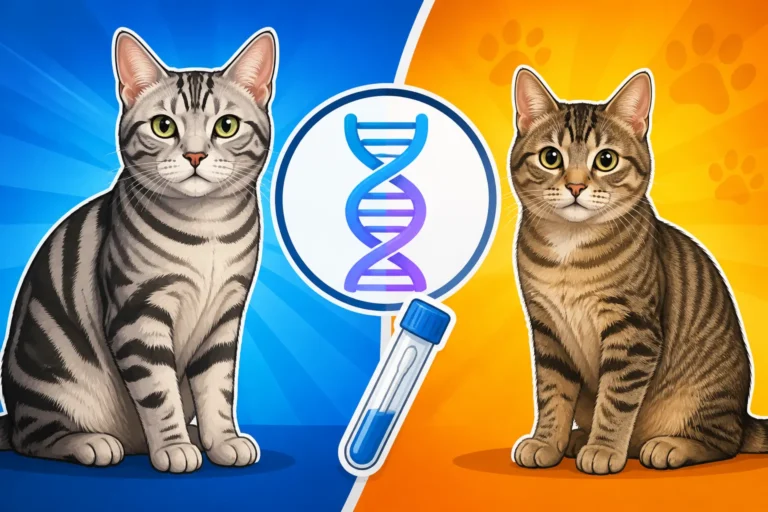
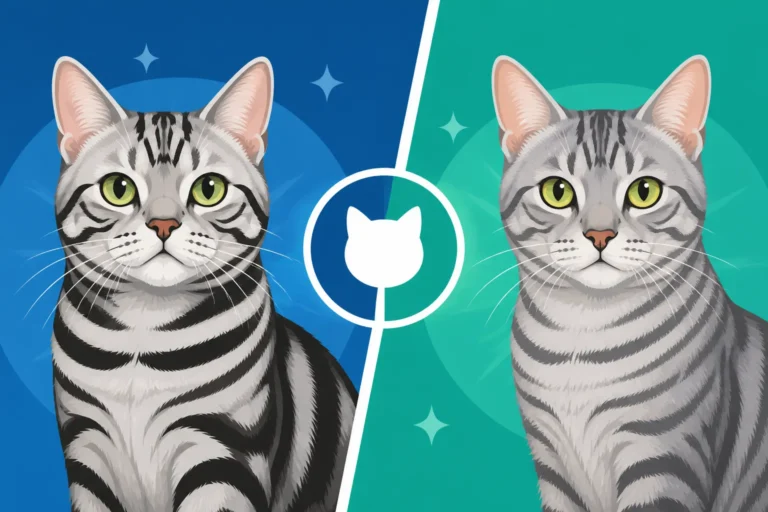
This is where DNA becomes particularly interesting and helps clarify a common point of confusion. While an American Shorthair might look very much like a "domestic shorthair" (often called a "moggy" or "alley cat"), DNA reveals the distinction. The domestic shorthair is a classification for any non-pedigreed cat with short fur. The American Shorthair, on the other hand, has a specific, documented genetic lineage and a breed standard that breeders strive to maintain.
Genetic studies confirm that while the American Shorthair shares a common ancestral pool with many domestic shorthairs, centuries of selective breeding, even informal at first, and later formal registration, have created a distinct genetic signature. Breeders selected for certain physical traits, like their characteristic muscular build and broad head, and temperament. This is a crucial difference: a domestic shorthair has a diverse, often unknown genetic background, whereas a registered American Shorthair has a traceable lineage that adheres to a defined genetic profile. This distinction is often reflected in specific health screenings or genetic predispositions that breeders look for. How an American Shorthair Differs From a Domestic Shorthair expands on these differences.
| Characteristic | American Shorthair (Pedigreed) | Domestic Shorthair (Random-bred) |
|---|---|---|
| Genetic Lineage | Documented, traceable ancestry to specific breed lines | Diverse, often unknown genetic background |
| Breed Standard | Adheres to a recognized breed standard (CFA, TICA, etc.) | No formal breed standard |
| Physical Traits | Consistent, predictable appearance (build, head shape, coat type) | Highly variable appearance, colors, patterns |
| Temperament | Generally predictable (calm, adaptable, amiable) | Varies widely based on individual genetics and upbringing |
| Health Screening | Responsible breeders screen for known genetic conditions | Health history depends on individual cat; less predictable |
| Purpose of Breeding | Preserve and refine specific traits and health | Reproduction occurs naturally, without specific goals |
The Impact of Breed Development on DNA
The journey from a working cat to a pedigreed breed isn't just about appearance; it's deeply etched into the breed's DNA. The decisions made by early enthusiasts and later, formal breeders, have undeniably shaped the genetic profile of the American Shorthair we recognize today.
The Role of Early Selection
Even before formal registration, a natural selection process was at play. The cats that survived the transatlantic voyage, thrived in a new environment, and were effective mousers were the ones that passed on their genes. This "survival of the fittest" meant that the American Shorthair's foundational genetics favored traits like good health, intelligence, hunting prowess, and a calm, adaptable disposition. Once people began to appreciate these qualities, they naturally sought out cats that displayed them, leading to an informal selection for these desirable characteristics. This initial phase of selection, driven by utility, laid a very robust genetic groundwork.
When formal breeding began in the late 19th and early 20th centuries, the focus shifted slightly. Breeders started to define a "type" they wanted to preserve and enhance. While still prioritizing health and temperament, specific physical attributes like a square muzzle, powerful jaws, and a dense, short coat became part of the desired standard. This period of deliberate selection further solidified the American Shorthair's genetic identity, distinguishing it from the broader domestic shorthair population. It’s a remarkable example of how human preference, even for subtle traits, can influence a breed's genetic trajectory over time. Who Started Breeding the American Shorthair to a Standard details this fascinating transition.
Modern Breed Purity and Genetic Diversity
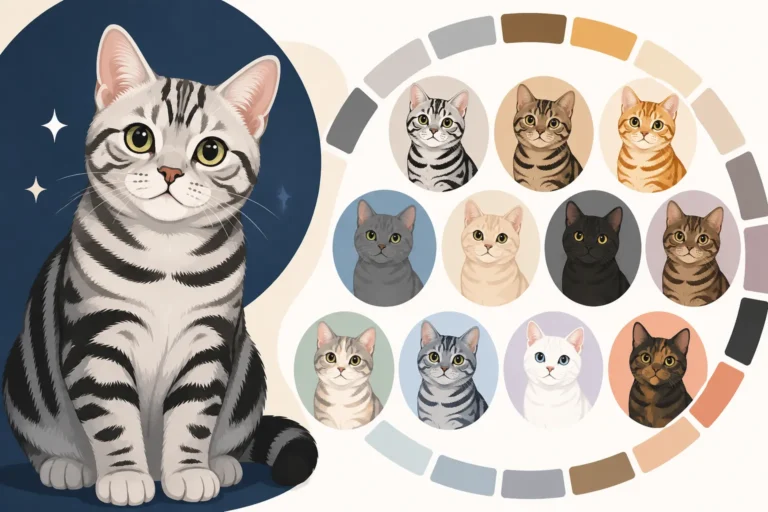
Today, breed associations meticulously maintain studbooks and genetic records to ensure breed purity. For the American Shorthair, this means that cats registered as such must trace their lineage back to recognized American Shorthair ancestors. This practice helps maintain the consistent traits that define the breed, but it also highlights the ongoing conversation around genetic diversity. A breed with a wide genetic base is generally healthier and more resilient, while a very narrow gene pool can lead to an increased incidence of inherited conditions.
The good news for the American Shorthair is that its roots in a diverse population of working cats mean it started with a relatively broad genetic base. While formal breeding does involve some degree of narrowing, the breed has historically been celebrated for its health and lack of extreme features, suggesting a conscious effort by breeders to prioritize well-being. Regular health screenings and genetic testing, often available through retailers like Chewy, remain important tools for breeders and owners alike to monitor and ensure the continued health of the breed. How Wide the American Shorthair's Gene Pool Really Is provides more insight into this balance.
Why This Matters for Your American Shorthair
Understanding the genetic origins of your American Shorthair isn't just an academic exercise; it has real, practical implications for their health, behavior, and overall well-being. It helps us appreciate their inherent qualities and provide the best possible care.
Health and Genetic Predispositions
The American Shorthair's DNA tells a story of natural selection for survival. This means, generally speaking, they are a remarkably healthy breed with fewer of the genetically linked health issues that plague some breeds developed for extreme physical traits. Their robust genetic blueprint makes them less prone to a host of problems. However, "less prone" doesn't mean "immune." Every breed can have certain predispositions, and for the American Shorthair, one notable area of focus is heart health, specifically hypertrophic cardiomyopathy (HCM).
While generally less common than in some other breeds, HCM can still occur. This is why responsible breeders screen their cats, often using cardiac ultrasounds, rather than relying solely on genetic tests for this complex condition. Understanding the breed's genetic history allows owners to be proactive about preventative care and to discuss any concerns with their veterinarian. Knowing their lineage allows you to focus your attention on potential issues, ensuring your cherished companion lives a long, healthy life. You can often find specialized foods or supplements to support heart health on platforms like Chewy, if your vet recommends them. HCM Is the One Inherited Disease the American Shorthair Kept covers this in more detail.
Understanding Temperament Through Ancestry
The American Shorthair's calm, adaptable, and intelligent temperament is directly linked to its working past. Their ancestors needed to be independent, resourceful, and capable of handling various environments without human intervention. They weren't bred to be overly vocal or demanding; they were bred to be efficient and self-sufficient. This history is written in their DNA and manifests in the quiet, steady companions we know today. They are typically good with children and other pets, and they adapt well to different living situations, from bustling family homes to quieter apartments.
This genetic predisposition for a stable temperament means that American Shorthairs often make excellent family pets. They enjoy interaction but aren't typically "velcro cats" that constantly demand attention. They are observant, often found watching the household activity from a comfortable perch, and enjoy interactive play that stimulates their hunting instincts. Recognizing this ancestral trait can help owners provide appropriate enrichment, like puzzle feeders or wand toys, which fulfill their innate drive without leading to destructive behaviors. Their self-reliant nature means they cope well with being left alone for reasonable periods, which is a blessing for busy owners. Why an American Shorthair Suits a First Time Owner explores how their history makes them so easy to live with.
Disclaimer
This article is for general informational purposes only and does not constitute professional advice. Laws, prices and regulations vary by location and change over time. Consult a qualified professional for guidance on your specific situation.