Why Owners Give Up an American Shorthair
American Shorthair owners face rehoming decisions due to unmet expectations, hunting instincts, medical costs, and aging pet care challenges.
The price tag is the smallest number.
Purchase and adoption costs, insurance, routine vet care, food and grooming budgets, and the emergencies that change the total.
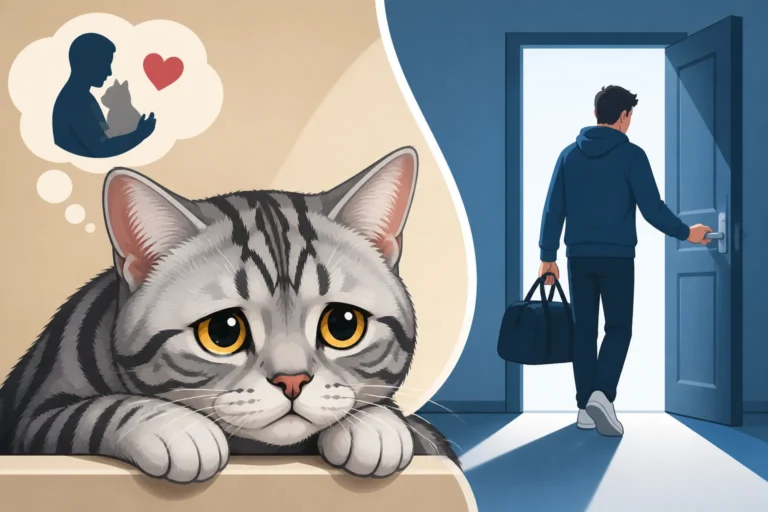
American Shorthair owners face rehoming decisions due to unmet expectations, hunting instincts, medical costs, and aging pet care challenges.
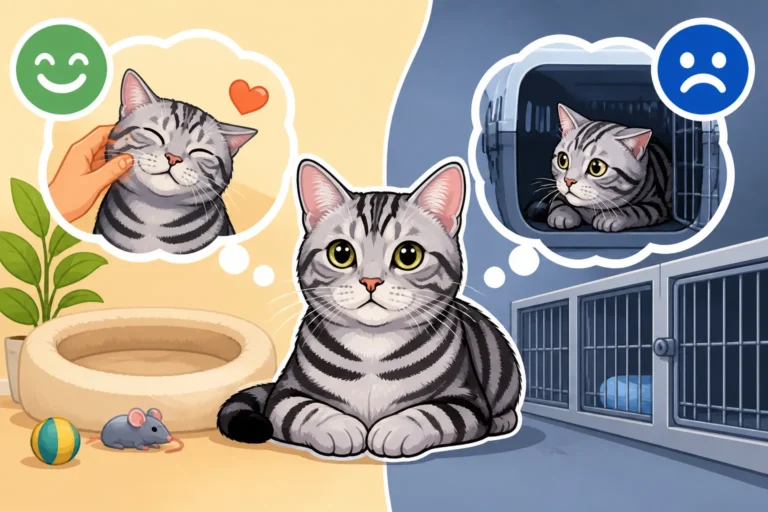
An American Shorthair cat copes with boarding through preparation, familiar items, and careful evaluation of facilities.
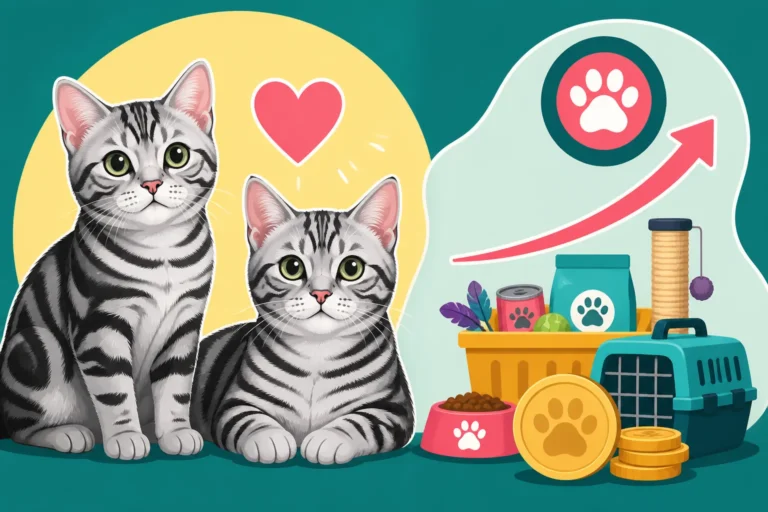
Adding a second American Shorthair doubles ongoing expenses for food, litter, veterinary care, and basic setup items like carriers.
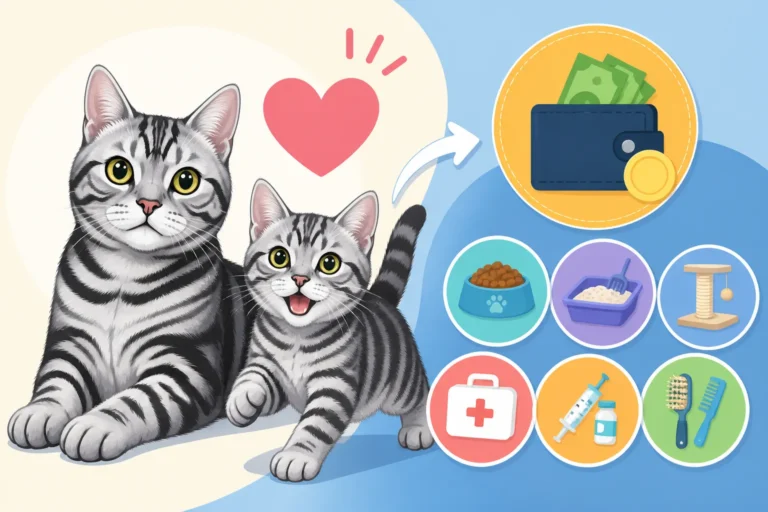
Adding a second cat for an American Shorthair details realistic initial startup supplies, vet visits, and annual recurring expenses.

Water fountains help American Shorthairs prevent urinary blockages by satisfying their natural preference for moving water over still bowls.
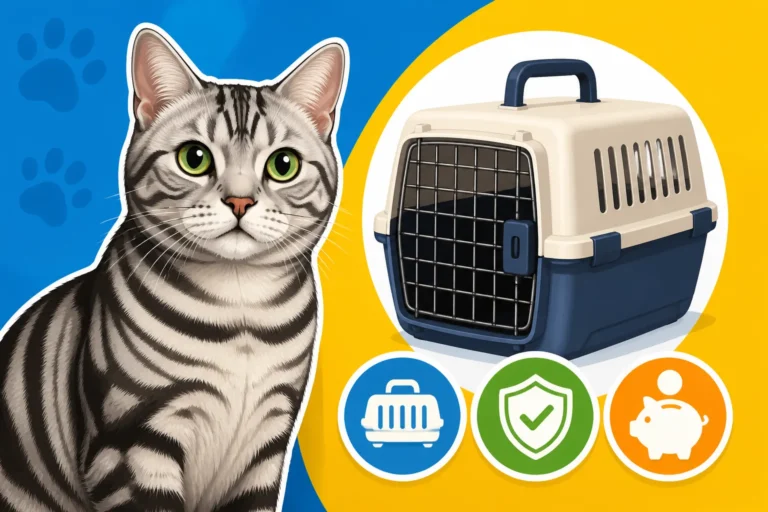
American Shorthair carrier prices range from thirty to one hundred fifty dollars depending on material quality, durability, and type.
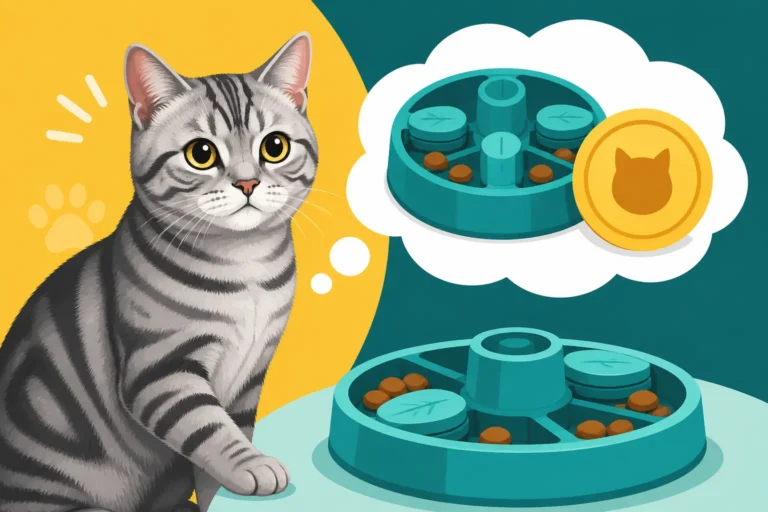
American Shorthair puzzle feeder costs range from affordable DIY cardboard designs to expensive high-tech electronic models.
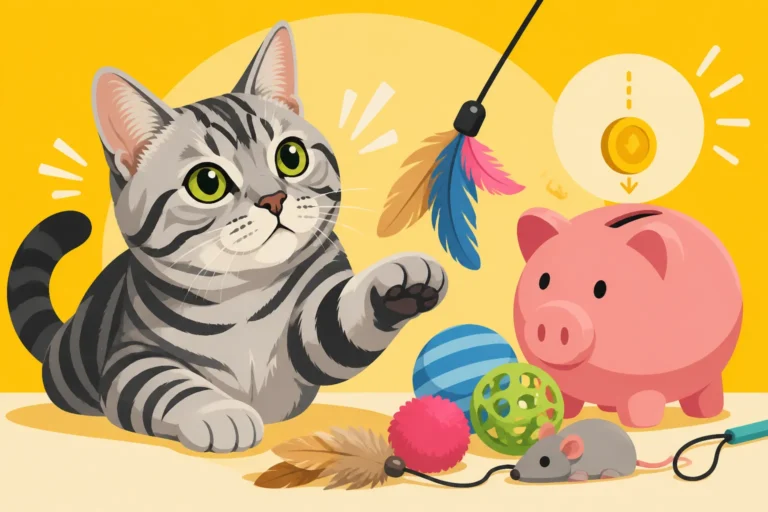
American Shorthair prey toy expenses include replacing wand lures monthly and plush mice every six months to satisfy the hunting instinct.
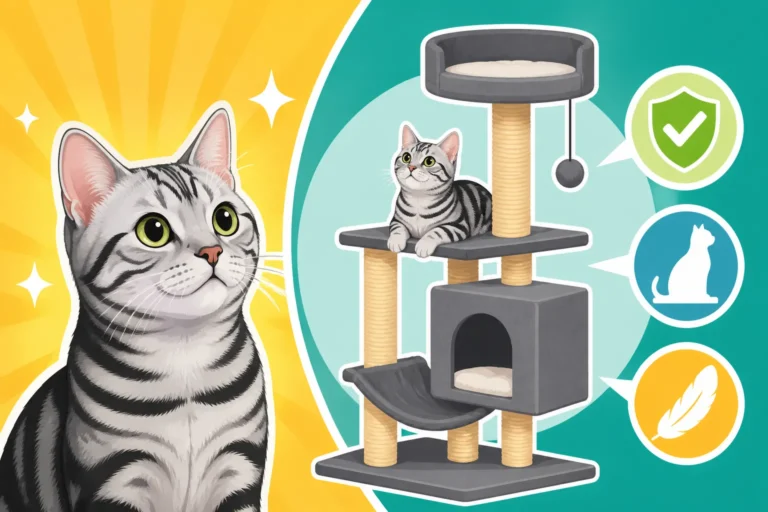
American Shorthair cat trees cost from under one hundred to three hundred dollars for sturdy designs with wide bases and sisal rope.
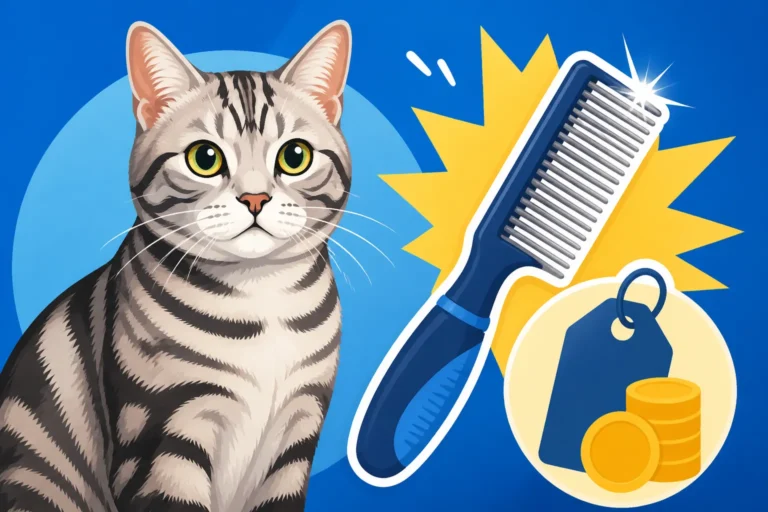
An American Shorthair cat comb costs between five and fifty dollars depending on specific types like metal, deshedding, or flea tools.