Why the Silver Tabby Became the American Shorthair’s Face
It’s a sight you’ve probably seen countless times, even if you didn't consciously recognize it: that striking silver tabby cat with bold, swirling patterns and piercing green or gold eyes, often gracing calendars, pet food bags, or advertisements. This isn't just any pretty cat; for many, this specific look is the American Shorthair. But why did this particular color and pattern combination become so utterly synonymous with an entire breed, overshadowing the many other beautiful varieties? This guide will dive into the history, aesthetics, and cultural impact that cemented the silver tabby as the definitive "face" of the American Shorthair.
A Brief History of the American Shorthair and its Early Recognition
Before any particular coat pattern could become iconic, the American Shorthair itself needed to transition from its humble, working-class origins to a recognized pedigree breed. This journey laid the groundwork for the silver tabby's eventual rise to prominence, highlighting how breed standards and show recognition began to shape public perception.
From Working Cat to Pedigreed Breed
The ancestors of today's American Shorthair were not bred for their looks, but for their utility. These were the hardy, adaptable "mousers" that traveled on ships from Europe to North America, protecting precious cargo from rodents. Once ashore, they continued their vital work on farms and in homes across the burgeoning continent. For centuries, these cats were simply known as Domestic Shorthairs, valued for their strong constitution, excellent hunting skills, and generally placid demeanor. They were the ultimate working cats, unsung heroes of pest control.
When the concept of cat fancy and pedigree breeding began to take hold in the late 19th and early 20th centuries, some enthusiasts recognized the inherent qualities of these common, native cats. They saw not just a utilitarian animal, but a distinct type with a robust build, balanced proportions, and a generally good temperament. Efforts began to select and standardize these cats, initially under names like "Shorthair" or "Domestic Shorthair," aiming to preserve their healthy, functional traits. It was a groundbreaking step, elevating a common companion to a breed worthy of exhibition. If you're curious about this foundational aspect, read about Why the American Shorthair Was Called Domestic Shorthair Until 1966.
The Importance of Early Cat Shows
The early days of the cat fancy were crucial for establishing breed standards and capturing public attention. When American Shorthairs, then still called Domestic Shorthairs, started appearing in cat shows in the early 1900s, they had to compete against flashier, more "exotic" breeds that had already captivated the public imagination. It wasn't enough to be a good mouser; they needed to stand out on the judging table. This is where individual cats with particularly striking appearances began to make a difference. Early breeders and judges focused on maintaining the breed's working characteristics – a sturdy build, a resilient coat, and an alert but gentle expression – but also appreciated clear, beautiful markings.
In these competitive environments, certain patterns and colors naturally drew more attention. While many colors and patterns existed among the general population of domestic shorthairs, something about the clarity and contrast of the silver tabby began to resonate. It wasn't just pretty; it was a distinctive, eye-catching aesthetic that managed to convey both elegance and the breed's wild, ancestral roots. It offered a visual "pop" that helped differentiate these pedigreed cats from their everyday alley cat cousins, even though they shared a common ancestry. The show ring became a powerful platform for showcasing the breed's potential and, inadvertently, for promoting its most visually appealing varieties. What an American Shorthair Looks Like by the Standard would have been a critical document during these formative years.
The Visual Appeal and Distinctive Traits of the Silver Tabby
The silver tabby isn't just popular by chance; it possesses a unique combination of visual characteristics that makes it exceptionally appealing and memorable. This aesthetic quality has played a massive role in cementing its status as the iconic American Shorthair.
The Striking Contrast: Silver and Black
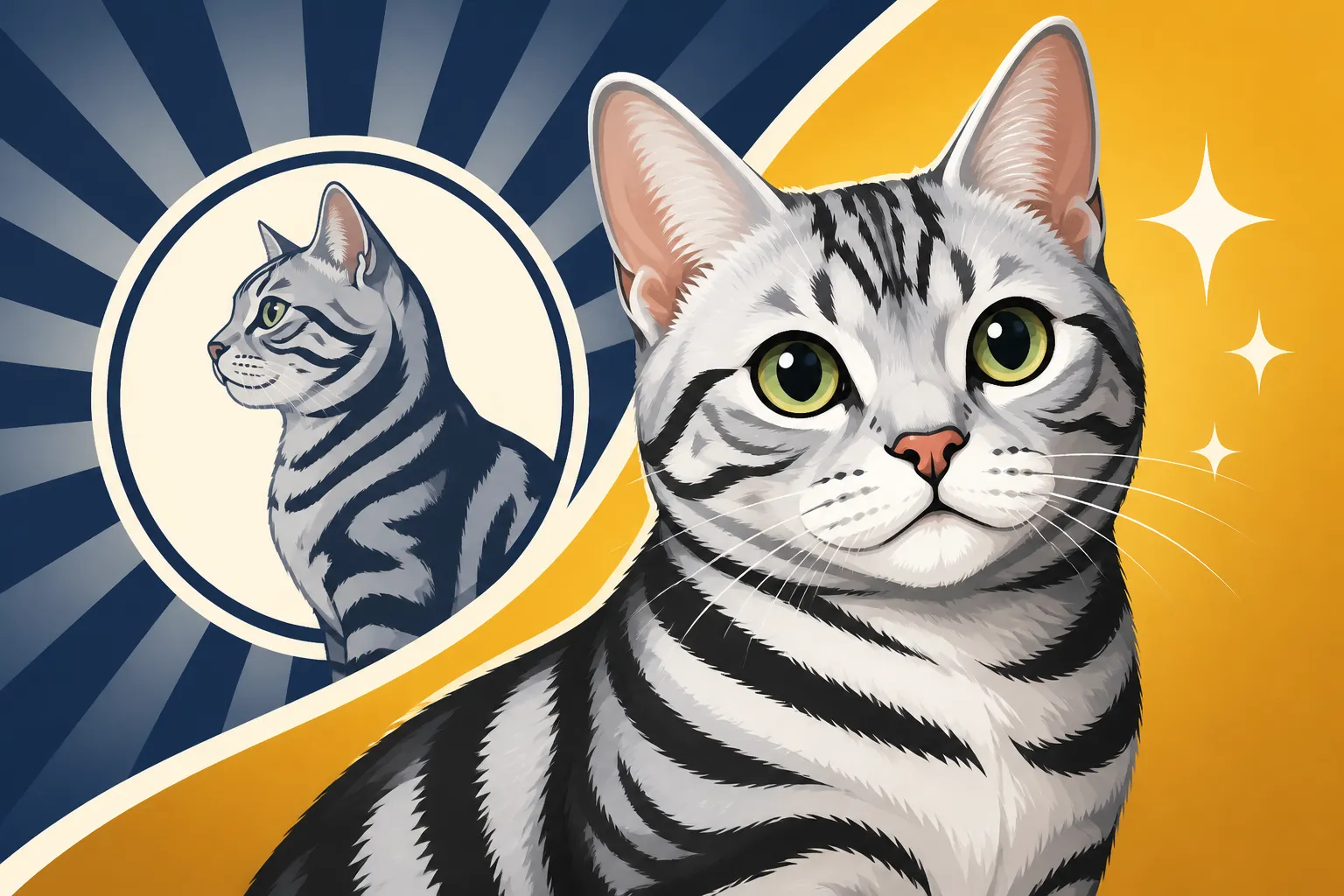
What truly sets the silver tabby apart is the incredible contrast between its base color and its markings. The "silver" isn't a solid grey; rather, each individual hair shaft has a silver-white base that transitions into black or very dark grey at the tip, creating a shimmering, almost frosted effect on the lighter parts of the coat. Against this luminous silver background, the jet-black tabby markings stand out with remarkable clarity and definition. It’s like a meticulously drawn charcoal sketch on polished silver. This high contrast makes the patterns incredibly vivid and distinct, whether it's the classic "bullseye" swirls or the more linear mackerel stripes.
This visual drama translates exceptionally well in photographs and on the show bench, making these cats instantly recognizable and aesthetically pleasing. Other tabby patterns, like brown or red, are beautiful in their own right, but the silver often offers a sharpness and brilliance that is hard to match. It gives the cat an almost aristocratic, sophisticated air, even though the breed itself is known for its down-to-earth nature. This inherent photographic appeal meant that early photographers and artists were naturally drawn to these cats, further boosting their public profile.
The Classic Mackerel and Swirled Patterns
Within the silver tabby category, two main patterns are typically seen: the mackerel tabby and the classic (or blotched) tabby. The mackerel pattern features narrow, parallel stripes running vertically down the sides, resembling a fish skeleton. It's a very common and ancient tabby pattern, evoking a sense of wildness and natural beauty. However, it's often the classic silver tabby, with its distinctive broad, swirling patterns on the sides (often described as a "bullseye" or oyster pattern), its butterfly marking on the shoulders, and necklaces on the chest, that truly captured hearts and minds.
The classic tabby pattern, especially when rendered in high-contrast silver and black, gives the American Shorthair a bold, almost regal appearance. These intricate, symmetrical swirls are both beautiful and unique, making each cat a living work of art. The clarity of these markings is a testament to careful breeding and is a significant factor in how to tell a pedigree from a domestic shorthair. Breeders often strive for the most defined and symmetrical patterns, as these are highly prized in the show ring. The combination of this striking pattern with the shimmering silver coat simply has an undeniable "wow" factor that became a hallmark of the breed's beauty. If you're interested in the nuances of show quality, look up Which Markings Move an American Shorthair From Pet to Show.
Eye Color and Overall Presence
Beyond the coat, the typical eye color associated with the silver tabby American Shorthair often seals its iconic status. Many silver tabbies sport brilliant green or deep gold eyes, which provide yet another layer of striking contrast against the silver and black fur. Imagine those shimmering silver swirls framing eyes like polished emeralds or molten gold – it’s a truly captivating combination. This specific eye color, often intensified by the surrounding dark "eyeliner" markings of the tabby pattern, contributes significantly to the breed's alert, intelligent, and sometimes mischievous expression.
The overall presence of a well-bred silver tabby American Shorthair is one of sturdy elegance. They are not delicate cats; they possess the muscular, balanced build of their working ancestors. Yet, the refined beauty of the silver tabby coat, combined with those expressive eyes, elevates their appearance. They exude confidence and composure, perfectly embodying the breed's reliable temperament. This blend of robustness and aesthetic refinement made them incredibly appealing, ensuring they were not only beautiful but also looked like capable, trustworthy companions. This balance of function and form is what truly makes an American Shorthair special.
The Role of Media, Marketing, and Show Success
While genetics and aesthetics laid the foundation, the silver tabby's rise to iconic status was heavily amplified by its performance in the competitive world of cat shows and its subsequent adoption by media and advertising. This promotional push solidified its image in the public consciousness.
Grand Champions and Breed Ambassadors
The show circuit proved to be a powerful stage for the silver tabby. When an American Shorthair with exquisite silver tabby markings achieved "Grand Champion" status, it wasn't just a win for that individual cat or its breeder; it was a victory for the entire breed, and particularly for that specific look. These champion cats became living advertisements, showcasing the ideal standard of the breed. Their photographs would grace breed club magazines, calendars, and promotional materials, circulating widely among cat enthusiasts and the general public.
Over time, enough silver tabbies achieved such prominence that they collectively built an association: the American Shorthair is the silver tabby. These cats weren't just pretty faces; they were often exemplary in temperament and health, further cementing the positive image. When people considered getting a pedigreed cat, and especially an American Shorthair, the silver tabby image was often the first, and sometimes only, one that came to mind. This created a powerful feedback loop: successful silver tabbies reinforced the breed's image, which in turn increased demand for silver tabbies. Many American Shorthair breeders, dedicated to upholding the breed standard, continued to produce these stunning examples, creating a legacy of beautiful silver tabbies that dominated the show rings. The cost of a championship line cat reflects this intense dedication and success; see What a Championship Line American Shorthair Costs.
Advertising and Popular Culture
Once the silver tabby had established itself as the visual archetype of the American Shorthair in the cat fancy, it was only a matter of time before it caught the eye of advertisers. Its high-contrast, photogenic coat and striking appearance made it an ideal subject for marketing various products, especially those related to pets. Think about it: a silver tabby cat looks clean, classic, and universally appealing. Its patterns are distinct enough to be instantly recognizable without being overly busy or distracting.
From early print ads to modern-day packaging for cat food and litter, the silver tabby became a go-to choice. Companies understood that this specific look resonated with consumers, evoking trustworthiness, quality, and the quintessential image of a well-loved housecat. The widespread use of the silver tabby in popular culture, including books, movies, and even cartoons, further cemented its place in the collective imagination. It transcended being just a cat; it became a symbol. This extensive media exposure meant that even people unfamiliar with cat breeds could point to a silver tabby and say, "That's an American Shorthair," even if they didn't know why they thought so. This visual marketing power is part of Why the Silver Tabby American Shorthair Commands a Premium in the market.
Breeders' Focus and Buyer Preference
The interconnectedness of show success, media representation, and public perception naturally influenced both breeders and buyers. As the silver tabby gained popularity, breeders, responding to demand and striving for show success, often concentrated their efforts on perfecting this particular color and pattern. While responsible breeders work to maintain genetic diversity across all acceptable colors, the allure of producing a champion silver tabby was undeniable. This focus ensured a consistent supply of high-quality silver tabbies, making them more readily available and visually dominant within the breed.
Simultaneously, prospective cat owners, influenced by advertising and breed publications, often arrived at breeders' homes or scrolled through adoption sites with the silver tabby image firmly in their minds. They sought out the "classic" American Shorthair, which, by then, overwhelmingly meant a silver tabby. This consumer preference created a market demand that breeders met, further solidifying the silver tabby's status. It became a self-fulfilling prophecy: the silver tabby was popular because it was recognized, and it was recognized because it was popular. When people look for Why anyone Waits for an American Shorthair That Looks Like a Shelter Cat, the answer often comes down to the desire for a specific look like the silver tabby, backed by pedigree assurance. For owners looking to ensure their cat's well-being, reputable brands like Chewy offer a wide array of specialized foods and supplements tailored to breed needs, while pet insurance providers like Healthy Paws can help manage the costs of keeping any American Shorthair healthy throughout its life.
Beyond the Silver Tabby: The Rich Tapestry of American Shorthair Colors
While the silver tabby holds a special place, it's essential to remember that the American Shorthair breed encompasses a dazzling array of colors and patterns, each with its own beauty. Understanding this diversity adds depth to appreciating the breed as a whole.
The Diversity of Accepted Colors and Patterns
The American Shorthair breed standard is incredibly inclusive when it comes to coat colors and patterns, accepting over eighty different varieties. This broad spectrum reflects their diverse ancestry as hardy working cats, where appearance was secondary to health and capability. Beyond the iconic silver tabby, you can find American Shorthairs in solid colors like black, white, blue, and red. There are also stunning smokes, with a colored tip over a white undercoat, and shaded cats. Calicos and tortie-and-white patterns bring a vibrant mix of colors, while bi-colors offer distinct patches of color against white. Even among tabby patterns, there's a world of difference: brown tabbies, blue tabbies, red tabbies, and cream tabbies all showcase the classic markings in different palettes. Each one is a testament to the breed's rich genetic heritage.
A well-marked brown tabby, for instance, with its warm, earthy tones and bold black stripes, is every bit as striking as a silver tabby, though perhaps less frequently seen in mainstream imagery. The beauty of these other varieties often gets overlooked precisely because the silver tabby has such a dominant presence. However, breeders dedicated to the full spectrum of the American Shorthair standard continue to produce these diverse colors, ensuring that the breed's full genetic and aesthetic potential is maintained. Owners often find unique joy in the less common colors, appreciating their individuality and the subtle beauty they bring. You can learn more about this spectrum in Which American Shorthair Colors Cost the Most.
Why the Silver Tabby's Dominance Persists
Despite the wide array of colors, the silver tabby's dominance in public perception persists for several reasons we’ve touched upon. Its high contrast and striking patterns make it exceptionally photogenic and easily distinguishable, a quality that is invaluable in marketing and public display. The historical success in early cat shows established it as the "gold standard" for the breed's appearance, creating a legacy that continues to influence breeding programs and judging preferences. Furthermore, the sheer volume of exposure through advertising and media has ingrained the image deeply into the public consciousness.
It’s a classic example of how a combination of aesthetic appeal, strategic promotion, and historical momentum can elevate one particular aspect to represent the whole. While other colors are beautiful, they haven't had the same confluence of factors pushing them to the forefront. The silver tabby has simply become the most recognizable shorthand for "American Shorthair," much like certain colors are immediately associated with other iconic breeds. This isn't to diminish the other colors, but rather to highlight the unique journey the silver tabby took to become so embedded in our collective understanding of this wonderful breed. If you're pondering Whether the Silver Tabby Is the Commonest American Shorthair, the answer is complex, as popularity and actual prevalence can differ, but its visibility is certainly unparalleled.
The Enduring Appeal of the American Shorthair Type
Ultimately, the American Shorthair's enduring appeal goes far beyond any single coat color. The breed is cherished for its robust health, adaptable temperament, and low-maintenance care. Whether silver tabby, solid black, or a playful calico, an American Shorthair typically embodies a calm, affectionate, and intelligent companion. They are known for their easygoing nature, making them wonderful pets for families with children, other animals, or even first-time cat owners. They maintain a healthy, functional build, which translates to fewer inherited health issues compared to some more selectively bred pedigrees. Insuring the American Shorthair, the Cheapest Pedigree to Keep is a testament to their generally good health, making a policy from providers like Healthy Paws a wise investment.
The silver tabby may be the breed's dazzling public face, but the underlying qualities of the American Shorthair – its sturdy build, friendly disposition, and natural hunting instincts (which can be wonderfully satisfied with interactive toys) – are what truly win hearts and ensure its continued popularity. The iconic silver tabby image draws people in, but it's the cat itself, regardless of its specific coat, that makes them stay. It’s a breed built for companionship and resilience, and that's a beauty that runs more than just skin deep.
| Feature | Silver Tabby American Shorthair (Iconic) | Other American Shorthair Varieties |
|---|---|---|
| Coat Color/Pattern | Silver background with striking black markings (classic or mackerel) | Solid, bi-color, calico, smoke, shaded, other tabby colors (brown, red, blue, cream) |
| Visual Contrast | Very High (silver/black) | Varies (can be high or more subtle) |
| Recognizability | Extremely high; often the first image people associate with the breed | Varies; less instantly recognized as "the" American Shorthair by the general public |
| Photogenic Quality | Excellent due to high contrast and clear patterns | Excellent, but may require more specific lighting/angles to capture full beauty |
| Show Popularity | Historically and consistently popular for competition | Strong presence, but often overshadowed by silver tabby's legacy |
| Media Representation | Frequently featured in advertising and popular culture | Less frequent in mainstream media, though still seen |
| Breed Standard | A highly prized example within the broad standard | Equally valid and beautiful according to breed standards |
Disclaimer
This article is for general informational purposes only and does not constitute professional advice. Laws, prices and regulations vary by location and change over time. Consult a qualified professional for guidance on your specific situation.