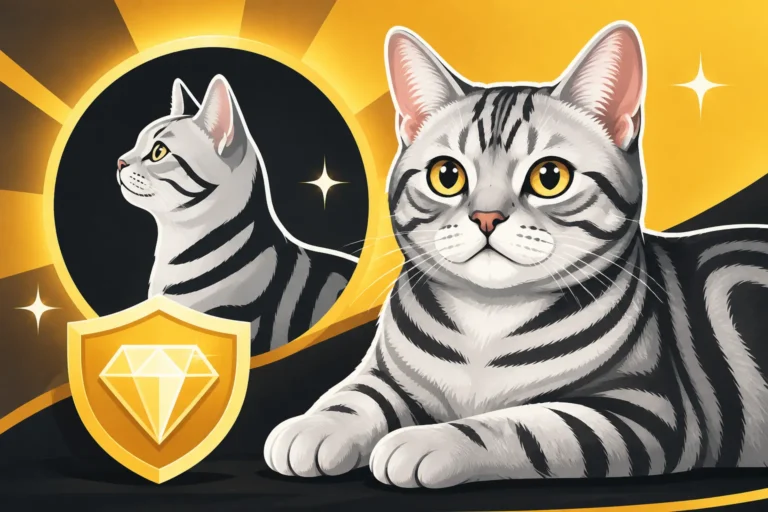
Whether a Brown Tabby American Shorthair Costs Less
It’s a common misconception that all American Shorthair cats are priced the same, or that a specific coat color automatically dictates the cost. Many hopeful cat parents wonder if the beloved brown tabby, which so closely resembles the classic "alley cat" we all know, might come with a smaller price tag than its flashier counterparts. This guide will dive deep into the factors that truly influence the price of an American Shorthair kitten, examining whether the charming brown tabby genuinely costs less and why.
Understanding American Shorthair Pricing
When you start looking into bringing a purebred American Shorthair into your home, it quickly becomes clear that there's a significant investment involved. Unlike a shelter cat, where adoption fees primarily cover spay/neuter and initial vaccinations, a pedigree kitten's price reflects a multitude of considerations from the breeder's side. It’s more than just paying for the cat itself; it’s an investment in the breed's future and the health of your future companion.
The Baseline Cost of an American Shorthair Kitten
The foundation of an American Shorthair's price, regardless of color, starts with the breeder's dedication and expenses. Reputable breeders invest heavily in their cattery, from ensuring their breeding cats are healthy and genetically sound to providing top-notch care for the mothers and kittens. This includes regular veterinary check-ups, high-quality nutrition, and creating a clean, enriching environment where kittens can thrive socially and physically. All of these operational costs are factored into the final price of the kitten.
Beyond the daily care, there are significant administrative and health-related costs. This includes registering litters with associations like the CFA, which ensures the pedigree is tracked and verified. There's also the time and effort a breeder puts into socializing each kitten, handling them daily, and exposing them to various sights and sounds so they grow into well-adjusted pets. All these unseen efforts contribute to what a registered American Shorthair kitten costs with papers.
The Role of Pedigree and Breeder Reputation
The lineage of an American Shorthair plays a huge part in its valuation. A kitten from a long line of champions, or one with parents that have achieved significant titles in cat shows, will naturally command a higher price. This isn't just about prestige; it signifies a consistent adherence to the breed standard in terms of health, temperament, and physical conformation. Breeders dedicated to preserving these traits invest in top-tier breeding stock, often traveling to secure the best genetics, which adds to their overall costs.
The breeder's reputation itself is a major factor. Established breeders with a history of producing healthy, well-socialized kittens and providing excellent post-sale support are highly sought after. They often have waiting lists, and their prices reflect the trust and quality they’ve built over years. Conversely, a breeder who cuts corners or has a less transparent operation might offer kittens at a lower price, but this often comes with hidden risks in terms of health or temperament down the line. It's a key part of understanding why American Shorthair prices range so widely.
Health Clearances and Initial Vet Care
One of the most crucial elements baked into the price of a pedigree American Shorthair kitten is the extensive health screening undergone by the parent cats. This includes testing for common feline conditions, even if the American Shorthair is generally a very healthy breed. For example, breeders will screen for hypertrophic cardiomyopathy (HCM), a heart condition, even though it's relatively rare in this breed. These tests can be expensive, involving specialist veterinary consultations and diagnostic procedures.
Furthermore, a responsible breeder ensures that kittens receive their initial vaccinations, deworming treatments, and a thorough vet check-up before they go to their new homes. Many will also have the kittens microchipped and spayed or neutered prior to sale, preventing early breeding and ensuring they are placed as pets. All of this initial veterinary care provides peace of mind for the new owner and significantly reduces the immediate expenses they face upon bringing their kitten home, but it does mean a higher initial purchase price. These are the kinds of health results an American Shorthair breeder must show.
The Impact of Color and Pattern on Price
It's natural to assume that some colors might be rarer or more desirable, thus impacting the price. While this is true for some breeds, and even within the American Shorthair, the effect isn't always as straightforward as you might think.
The "Popularity Premium": Why Certain Colors Like Silver Tabby Are More Expensive
When people picture an American Shorthair, often the image that comes to mind is the stunning classic silver tabby. This iconic pattern, with its striking markings and contrasting colors, has become the public face of the breed, popularized in advertising and media. Because of this high demand and aesthetic appeal, a well-marked silver tabby American Shorthair often commands a premium. Breeders who consistently produce silver tabbies with excellent pattern clarity and color saturation can price these kittens higher due to their desirability and recognition.
This "popularity premium" isn't unique to the American Shorthair; it's a phenomenon seen across many purebred animals. Buyers are often willing to pay more for a cat that embodies the quintessential look of the breed. This isn't to say other colors aren't beautiful or desirable, but the silver tabby has simply captured the public imagination in a way that translates into a higher market value for kittens exhibiting this specific phenotype. Therefore, understanding why the silver tabby American Shorthair commands a premium helps contextualize other color pricing.
Brown Tabby: The "Original" American Shorthair Look
The brown tabby is arguably the most common and historically representative pattern of the American Shorthair. These cats, with their earthy tones and classic tabby markings (whether mackerel or classic), are reminiscent of the working cats that populated farms and ships for centuries. Their practical, camouflage-like coats were perfectly suited for their mousing duties, making them highly effective predators in their original role. This commonality and deep historical root mean that brown tabbies are frequently seen and bred.
Many enthusiasts appreciate the brown tabby for its connection to the breed's origins and its timeless appeal. It's a sturdy, no-nonsense color that highlights the breed's functional beauty. While it might not have the same flashy "wow" factor as a silver tabby for some, its traditional look is a testament to the American Shorthair's heritage as a truly utilitarian and robust feline companion.
Examining the Market for Brown Tabby American Shorthairs
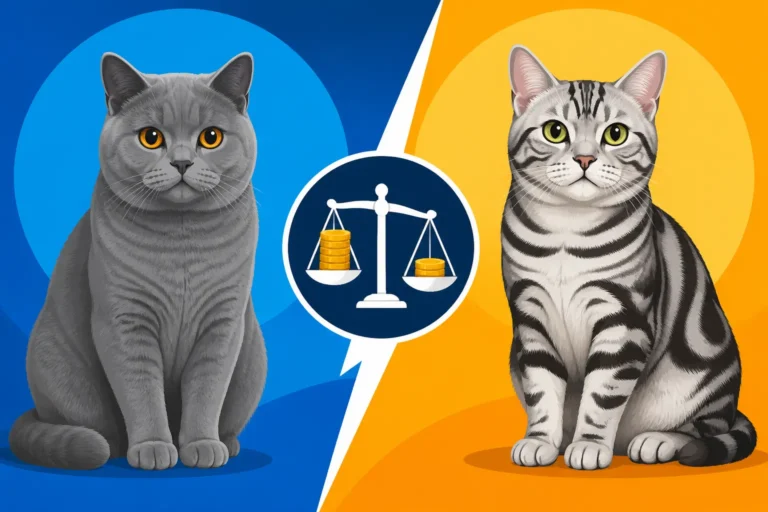
Given their commonality and traditional appearance, brown tabby American Shorthairs can sometimes be found at a slightly lower price point compared to, for example, a top-tier silver tabby or a less common color variation. This is often because breeders might have more brown tabby kittens in a litter, or the demand for them, while steady, isn't as intensely focused as for the "poster child" silver tabby. It's not that they are considered "lesser" cats; it's simply a reflection of market dynamics and supply and demand for specific aesthetics.
However, it's crucial to understand that "less expensive" is a relative term. A brown tabby American Shorthair from a reputable breeder with excellent health clearances and a strong pedigree will still be a significant investment. The potential price difference might only be a few hundred dollars, not a drastic cut. The most important factor remains the quality of the breeding program and the health guarantees, not solely the coat color. A well-bred brown tabby will always be a better investment than a poorly-bred silver tabby, regardless of the initial cost.
Factors Beyond Color That Influence Price
While color and pattern certainly play a role, many other factors contribute to the final price tag of an American Shorthair. These elements speak more to the individual kitten's potential and how closely it conforms to the breed's ideal.
Show Quality vs. Pet Quality
One of the most significant differentiators in pricing is whether a kitten is designated "show quality" or "pet quality." Show quality kittens possess traits that closely align with the breed standard set by organizations like the CFA. This includes specific head shape, eye placement, body structure, and often, extremely clear and well-defined markings. These kittens are often reserved for experienced breeders or those looking to compete in cat shows, and their prices reflect their potential to excel in that arena. What show markings add to an American Shorthair's price can be substantial.
Pet quality kittens, on the other hand, might have a minor deviation from the breed standard that makes them unsuitable for showing or breeding, such as a slightly less distinct pattern, a non-standard eye color for their coat, or a small conformational imperfection. These are purely aesthetic judgments and do not affect the cat's health or wonderful temperament. Pet quality kittens are typically sold at a lower price, and reputable breeders usually require a spay/neuter contract to ensure they aren't used for breeding. They make absolutely fantastic companions, and for most families, a pet quality American Shorthair is the perfect fit.
Sex and Availability
In some breeds, the sex of a kitten can influence its price, though this tends to be less pronounced with American Shorthairs than with some other pedigrees. Sometimes, breeders might have a slightly higher demand for one sex over the other, or they might prefer to keep more females for their breeding program, making males more readily available for pet homes. This can subtly affect pricing, though usually not by a huge margin.
Availability also ties into the overall supply and demand. If a particular breeder has a smaller litter or fewer litters planned for the year, and demand is high, prices across the board (regardless of color or sex) might trend slightly higher. Conversely, if there's a surplus of kittens, breeders might adjust prices to ensure all their kittens find loving homes within an appropriate timeframe.
Geographic Location and Demand
The region where you purchase your American Shorthair can also play a role in its cost. In areas with a higher concentration of breeders or lower demand, prices might be more competitive. Conversely, in regions where there are fewer breeders or the breed is particularly popular, prices could be higher due to increased demand and limited supply. Transport costs, if you're acquiring a kitten from out of state, will also add to the overall expense, making a local purchase often more economical upfront.
Consider also the cost of living and operating a cattery in different areas. A breeder in a high cost-of-living urban area will likely have higher overheads for rent, veterinary services, and quality supplies, which will inevitably be reflected in their kitten prices. It's not uncommon to see variations from one state to another, or even between urban and rural settings.
What Your Purchase Price Covers (and What It Doesn't)
When you buy a pedigree American Shorthair, you're paying for more than just a cat. But it's vital to understand what that initial investment includes and, more importantly, what it doesn't, to avoid surprises down the road.
Initial Health Care and Paperwork
A reputable breeder's price includes a significant amount of upfront health care for your kitten. This typically means the first set of vaccinations, multiple deworming treatments, and a microchip for identification. Many kittens will also be spayed or neutered before leaving the cattery, a cost that can be substantial at a vet clinic. You should also receive detailed health records, showing the dates of these treatments and vet checks.
Beyond health, the purchase price covers the kitten's registration papers with a reputable cat association, like the Cat Fanciers' Association (CFA). These papers provide proof of your cat's purebred status and lineage, connecting them to generations of documented American Shorthairs. This paperwork also contributes to understanding an American Shorthair's pedigree and what it predicts about health. Always ensure you understand what documentation you will receive and when.
The True Cost of Ownership: Beyond the Initial Purchase
The purchase price is just the beginning of your financial journey with an American Shorthair. These cats can live for 15-20 years, and their ongoing care will form the bulk of your expenditure. This includes high-quality food, which is essential for maintaining their muscular build and overall health. Understanding what feeding an American Shorthair by portion costs a month is vital for budgeting.
Veterinary care is another substantial ongoing cost, even for a healthy breed like the American Shorthair. This includes annual check-ups, vaccinations, and potential emergency visits. Many owners opt for pet insurance, with providers like Healthy Paws offering plans that can help manage unexpected veterinary bills. While insuring the American Shorthair is often one of the cheapest pedigree to keep, it's still a recurring expense that needs to be factored in. Don't forget toys, litter, scratching posts, and potential cat-sitting or boarding fees if you travel.
Value in a "Less Expensive" Brown Tabby
Even if you find a brown tabby American Shorthair at a slightly lower purchase price than a silver tabby, the real value lies in the long-term health and temperament benefits that come from buying from a responsible breeder. A healthy cat, regardless of color, will save you money and heartache in veterinary bills over its lifetime. The breed's robust health is a defining characteristic, and choosing a well-bred individual capitalizes on this.
A brown tabby American Shorthair, bred for health and temperament, offers the same wonderful companionship, easy-going nature, and sturdy constitution as any other American Shorthair. The initial price difference for a different color is often negligible when weighed against the costs of a lifetime of care. Focus on finding a healthy, well-socialized kitten from a reputable breeder, and you'll find immense value, whether your companion is brown, silver, blue, or any other beautiful American Shorthair color.
Finding a Reputable Breeder for Any American Shorthair
Regardless of the color or pattern you're seeking, the most critical step in acquiring an American Shorthair is finding a reputable breeder. This decision will have a far greater impact on your cat's health, temperament, and your overall experience than any potential price difference based on coat color.
Questions to Ask and Red Flags to Watch For
When you're speaking with a potential breeder, come armed with a list of questions. Ask about their breeding philosophy, how long they've been breeding American Shorthairs, and what health clearances their breeding cats have undergone. Inquire about the parents' temperaments and how the kittens are socialized. A good breeder will be transparent and happy to answer all your questions. For a deeper dive, read up on which questions to ask an American Shorthair breeder.
Be wary of breeders who offer multiple breeds, have many litters simultaneously, or are vague about their cats' living conditions. Red flags include breeders who won't allow you to visit their cattery, can't provide health records or registration papers, or pressure you into a quick sale. Also, be suspicious of prices that seem too good to be true, as they often indicate corners have been cut on health and care. You generally don't want to choose a breeder who will ship an American Shorthair kitten without meeting you first.
The Importance of a Health Guarantee
A hallmark of a reputable breeder is a comprehensive health guarantee. This is typically a written contract outlining the breeder's commitment to the kitten's health for a specified period, often covering genetic or congenital diseases. While the American Shorthair is known for its robust health, a guarantee provides an extra layer of protection and demonstrates the breeder's confidence in their breeding program.
This guarantee usually stipulates what actions will be taken if a health issue arises, such as a refund, a replacement kitten, or assistance with veterinary costs for certain conditions. It’s an invaluable part of your purchase, underscoring the breeder's responsibility and commitment to the welfare of their cats long after they leave the cattery. Always read and understand the health guarantee thoroughly before making a commitment.
Cost Comparison of American Shorthair Ownership
To give you a clearer picture, here's a general comparison of factors influencing the cost of an American Shorthair, keeping in mind that actual figures vary widely by region, breeder, and individual choices.
| Factor | Lower End (e.g., Pet Quality Brown Tabby) | Higher End (e.g., Show Quality Silver Tabby) | Notes |
|---|---|---|---|
| Initial Purchase Price | Moderate | High | Reflects breeder reputation, pedigree, health clearances, and whether the kitten is pet or show quality. Brown tabbies can sometimes be at the lower end of this range due to commonality, but a show-quality brown tabby can be just as expensive as any other color. |
| Initial Vet Care | Included by most reputable breeders | Included by most reputable breeders | Covers first vaccinations, deworming, microchip, and sometimes spay/neuter. This is a crucial cost that should always be covered by the breeder and reflected in the purchase price. |
| Food (Monthly) | Moderate (e.g., high-quality kibble from Chewy) | Higher (e.g., premium fresh food) | Depends on food quality, portion size, and specific dietary needs. American Shorthairs are muscular and need good nutrition. |
| Litter (Monthly) | Standard | Standard | Consistent for all American Shorthairs, though preferences for certain types of litter may vary costs. |
| Pet Insurance (Monthly) | Lower End (basic coverage from Healthy Paws) | Higher End (comprehensive coverage) | American Shorthairs are generally healthy, which can result in lower premiums. Costs vary based on age, coverage level, and chosen deductible. |
| Annual Vet Check-ups | Moderate | Moderate | Essential preventative care, regardless of purchase price or color. This doesn't change based on the cat's initial cost. |
| Grooming | Very Low (self-grooming) | Very Low (self-grooming) | American Shorthairs are low-maintenance. The one grooming tool an American Shorthair owner buys is usually a simple comb for occasional shedding. |
| Toys & Enrichment | Variable | Variable | Depends on owner's preference; crucial for mental and physical stimulation. |
The takeaway here is that while a brown tabby American Shorthair might, on occasion, be found at the lower end of the purchase price spectrum, the vast majority of long-term costs of ownership remain consistent across all colors and patterns of the breed. Focusing on the breeder's quality and the kitten's health, rather than just its coat color, is paramount for a fulfilling and financially manageable experience.
Disclaimer
This article is for general informational purposes only and does not constitute professional advice. Laws, prices and regulations vary by location and change over time. Consult a qualified professional for guidance on your specific situation.