How an Old American Shorthair Shows Its Joints Hurt
It's heartbreaking to realize your once spry American Shorthair, who used to leap onto the tallest cat tree without a second thought, is now hesitating, or perhaps not jumping at all. Joint pain in our senior feline friends is a silent, creeping issue that many of us, even seasoned cat parents, can easily miss because our cats are masters of hiding discomfort. This comprehensive guide will help you understand the subtle and not-so-subtle ways your aging American Shorthair might be telling you their joints are hurting, so you can act quickly and give them the comfort they deserve.
The Subtle Signs of Joint Pain in Senior American Shorthairs
Our American Shorthairs are typically robust, stoic cats, a trait that makes them incredibly endearing but also makes detecting pain a real challenge. They're not prone to dramatics; instead, they communicate their discomfort through tiny, often overlooked shifts in their daily routines. It's like they're whispering secrets you need to strain to hear.
Changes in Movement and Activity Levels
One of the first things you might notice, if you're really paying attention, is a general slowing down. It’s easy to dismiss this as "just getting old," but it can be more than that. Your American Shorthair might start taking the stairs one step at a time instead of bounding up them, or they might prefer the lower levels of their favorite cat tree. You might see them pause before they jump onto the sofa, seemingly gathering themselves, or even decide against it altogether. That effortless grace they once possessed might be replaced with a stiffness, especially after a long nap.
Think about their usual patrol routine. An American Shorthair loves to survey its territory, moving from room to room, often with a purposeful stride. If you notice them shortening their patrols, spending more time in one spot, or avoiding certain areas they used to frequent, it could be a sign. They might be trying to avoid surfaces or heights that cause them discomfort. A slight hesitation before stretching, a momentary wobble when landing from a low jump, or a more labored walk could all be subtle clues that their joints aren't as happy as they once were. It’s not always a dramatic limp; sometimes it’s just a little less bounce in their step.
Grooming Habits and Posture Shifts
An American Shorthair is usually meticulously clean, often spending a good portion of their day grooming their handsome, easy-care coat. When joint pain sets in, certain areas become harder to reach. You might start noticing that the fur on their lower back, hips, or tail base looks a bit unkempt, matted, or greasy because they can no longer twist and stretch comfortably to groom those spots. This is a big red flag, as a healthy cat takes immense pride in its appearance. If you usually see them curled into a tight ball for sleeping, they might start to stretch out more, perhaps trying to alleviate pressure on stiff joints, or shift positions more frequently to find comfort.
Observe their posture when they’re standing or sitting. They might hold their body slightly differently, perhaps with a hunched back or a reluctance to fully extend their legs. When they try to lie down, you might notice them circling a few times or adjusting themselves multiple times before finally settling, almost as if they can't quite get comfortable. Even the way they stand to eat or drink could change; they might spread their front paws wider to better support themselves, or avoid bending too deeply into the bowl. These aren't just quirks; they're quiet signals that something isn't right. It’s important to understand that Why an Old American Shorthair Slows Before It Limps and these minor changes are often the precursors to more obvious signs.
Behavioral Cues That Indicate Discomfort
Beyond the physical changes, joint pain can profoundly impact your American Shorthair's personality and typical behaviors. They might become withdrawn, or, conversely, seek more reassurance if they're feeling vulnerable. It's about recognizing deviations from their established routines and temperament.
Reluctance to Jump or Climb
This is often one of the most noticeable behavioral changes for many owners. Your American Shorthair, who once effortlessly scaled countertops or hopped onto your shoulder, now hesitates, often staring wistfully at their favorite high perch. You might find them opting for lower sleeping spots, like a floor cushion or a lower tier of the cat tree, rather than their usual window perch. If they do attempt a jump, it might be less fluid, perhaps with a slight grunt or a hesitant landing. It's as if the mental calculation of "can I make this jump?" has shifted from an automatic yes to a cautious maybe, or even a definite no.
This reluctance isn't just about pain during the jump itself, but also the anticipation of pain. They might have learned that certain movements cause discomfort, leading them to avoid those activities entirely. For example, if your American Shorthair loved to bat at dangling toys from a high vantage point, they might now stick to floor-level play. This change in activity level can unfortunately lead to other issues, such as weight gain, which further exacerbates joint problems. It’s a vicious cycle, so understanding Why an American Shorthair Stops Jumping to the Counter is a critical step in identifying this problem early.
Irritability and Avoidance
A cat in pain, much like a human, can become irritable. Your usually placid American Shorthair might start to shy away from being petted, especially if you inadvertently touch a sensitive area around their hips or spine. A gentle stroke that once brought purrs might now elicit a flinch, a hiss, or even a swat. They might become less tolerant of other pets or even children, preferring to retreat to a quiet, undisturbed spot where they can rest without fear of being bumped or jostled. This isn't them being "mean"; it's them trying to protect themselves.
You might also notice them hiding more or becoming less interactive. An American Shorthair is usually quite social, enjoying the company of their family, even if they're not always on your lap. If your cat starts spending more time alone, perhaps under the bed or in a secluded closet, it could be a sign of discomfort. They might also become less engaged in play. While an older cat naturally slows down, a sudden or marked decrease in their enthusiasm for their favorite toys or interactive games is a strong indicator of pain. Recognizing these shifts in temperament is crucial, especially since Why a Limp in a Stoic American Shorthair Is Never Minor.
Here's a quick table to help differentiate some common signs:
| Sign Category | Subtle Indications | More Obvious Indications |
|---|---|---|
| Movement | Hesitation before jumping, slower ascent/descent | Refusal to jump, limping, visible stiffness after rest |
| Grooming | Unkempt fur on back/hips, less frequent grooming | Mats or greasy patches in hard-to-reach areas |
| Posture | Slight hunch, frequent position shifts while resting | Hiding pain by stretching out unnaturally, difficulty settling |
| Activity | Shorter patrol routes, less interested in certain games | Avoiding favorite high spots, significant reduction in play |
| Temperament | Increased solitude, slight flinching when touched | Hissing/swatting when touched, overt irritability |
Physical Manifestations and Veterinary Assessment
While our cats are skilled at hiding pain, there comes a point where the physical signs become harder to ignore. And when they do, it's a clear signal that it's time to involve your veterinarian.
Palpable Changes and Limping
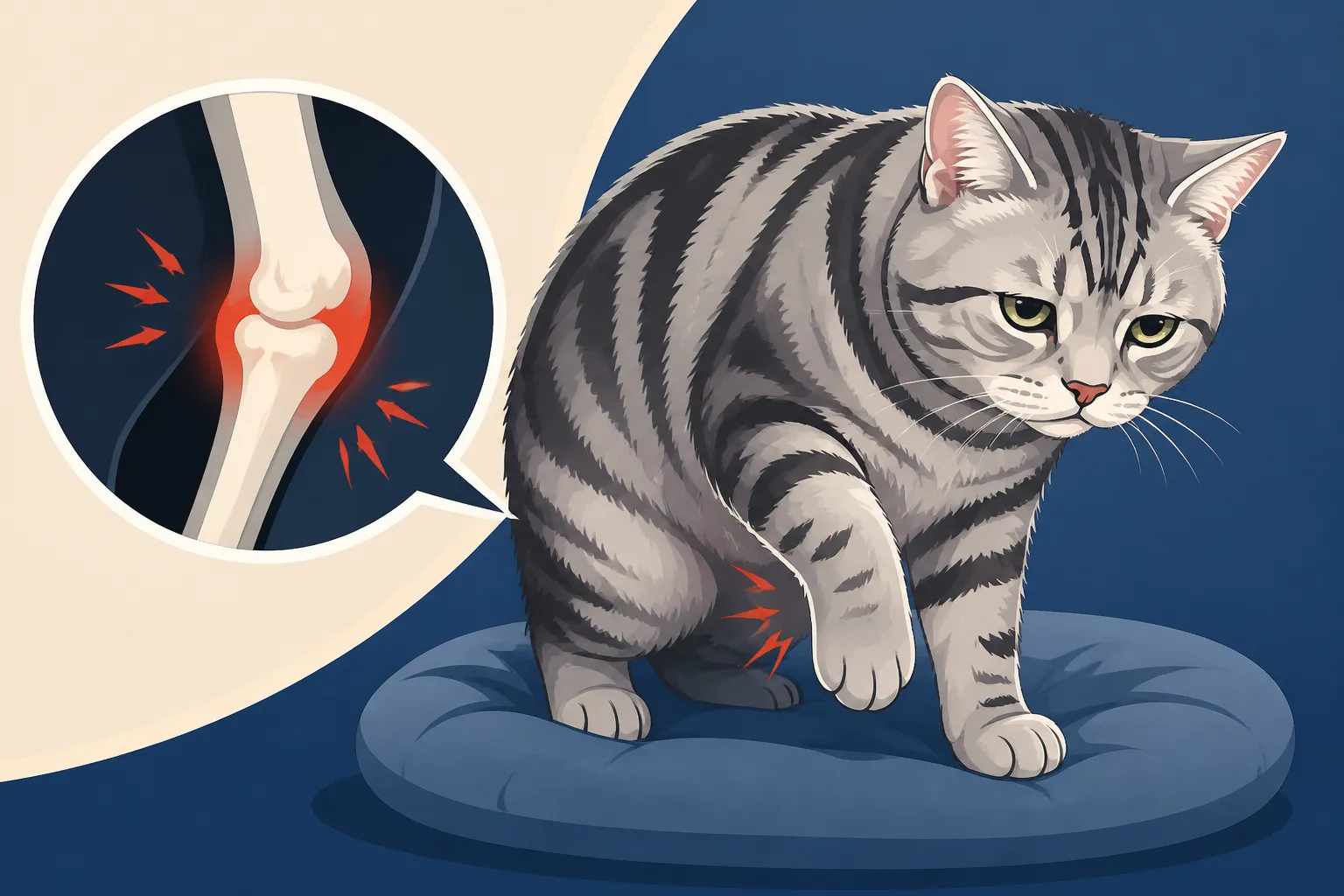
As joint pain progresses, you might start to feel changes when you gently pet your cat. You might notice some muscle atrophy around their hips or hind legs, as they're using those muscles less. Conversely, some areas might feel more tense or swollen. While limping is a very obvious sign, it's often one of the last things we see in cats, because they've compensated for so long. When an American Shorthair starts to limp, it usually means the pain has become quite significant. The limp might be intermittent at first, perhaps more pronounced after a long rest or in colder weather.
Sometimes, you might hear subtle clicks or pops when your cat moves, especially if you're close by. This is not always indicative of pain, but combined with other signs, it can point to joint degeneration. Any visible swelling around a joint, or a noticeable change in the symmetry of your cat's legs or hips, warrants immediate veterinary attention. Don't wait for these more dramatic signs, as your cat has likely been suffering in silence for a while. Early detection, even of subtle changes, is key to managing their comfort.
The Importance of a Professional Diagnosis
If you suspect your American Shorthair is experiencing joint pain, a trip to the vet is absolutely non-negotiable. They are the best equipped to assess your cat thoroughly. Your vet will perform a comprehensive physical examination, carefully palpating your cat's joints and observing their gait and movement. Don't be surprised if your American Shorthair, true to their stoic nature, tries to "act normal" at the clinic; vets are trained to spot these subtle signs even when cats are trying to hide them.
Your vet might recommend diagnostic imaging, such as X-rays, to get a clear picture of the condition of their joints. These images can reveal signs of arthritis, such as bone spurs, narrowed joint spaces, or changes in bone density. They might also suggest blood tests to rule out other underlying health issues that could contribute to or mimic joint pain. Based on the diagnosis, your vet can then discuss various management options, which might include pain relief medications, anti-inflammatory drugs, joint supplements (like glucosamine and chondroitin), dietary changes, or even physical therapy. Organizations like Healthy Paws can be a real lifeline in these situations, helping to cover the costs associated with these diagnostic tests and long-term treatments, ensuring you can focus on your cat's health without undue financial stress.
Remember, managing joint pain is often a multi-faceted approach aimed at improving comfort and quality of life. It’s not about "fixing" the aging process, but about making sure your beloved American Shorthair can continue to enjoy their golden years with as little discomfort as possible. Early and consistent veterinary care, potentially supported by pet insurance plans from providers like Healthy Paws, allows you to proactively address these issues and extend your cat's happy, active life. Learning about How a Vet Assesses an American Shorthair's Hips can give you a better idea of what to expect during such a visit.
It’s crucial to collaborate with your vet to create a tailored pain management plan. This plan might evolve over time as your cat's condition changes. Don't hesitate to ask questions or express concerns, especially if you notice new symptoms or if your cat isn't responding well to a particular treatment. They can also advise on changes to your home environment to make it more senior-cat-friendly, such as ramps for getting onto furniture or easily accessible litter boxes. Understanding When a Stiff American Shorthair Needs Joint Support is part of providing ongoing care. With the right support and attentive observation, you can significantly improve your senior American Shorthair's comfort and happiness, allowing you to cherish many more years together.
Disclaimer
This article is for general informational purposes only and does not constitute professional advice. Laws, prices and regulations vary by location and change over time. Consult a qualified professional for guidance on your specific situation.