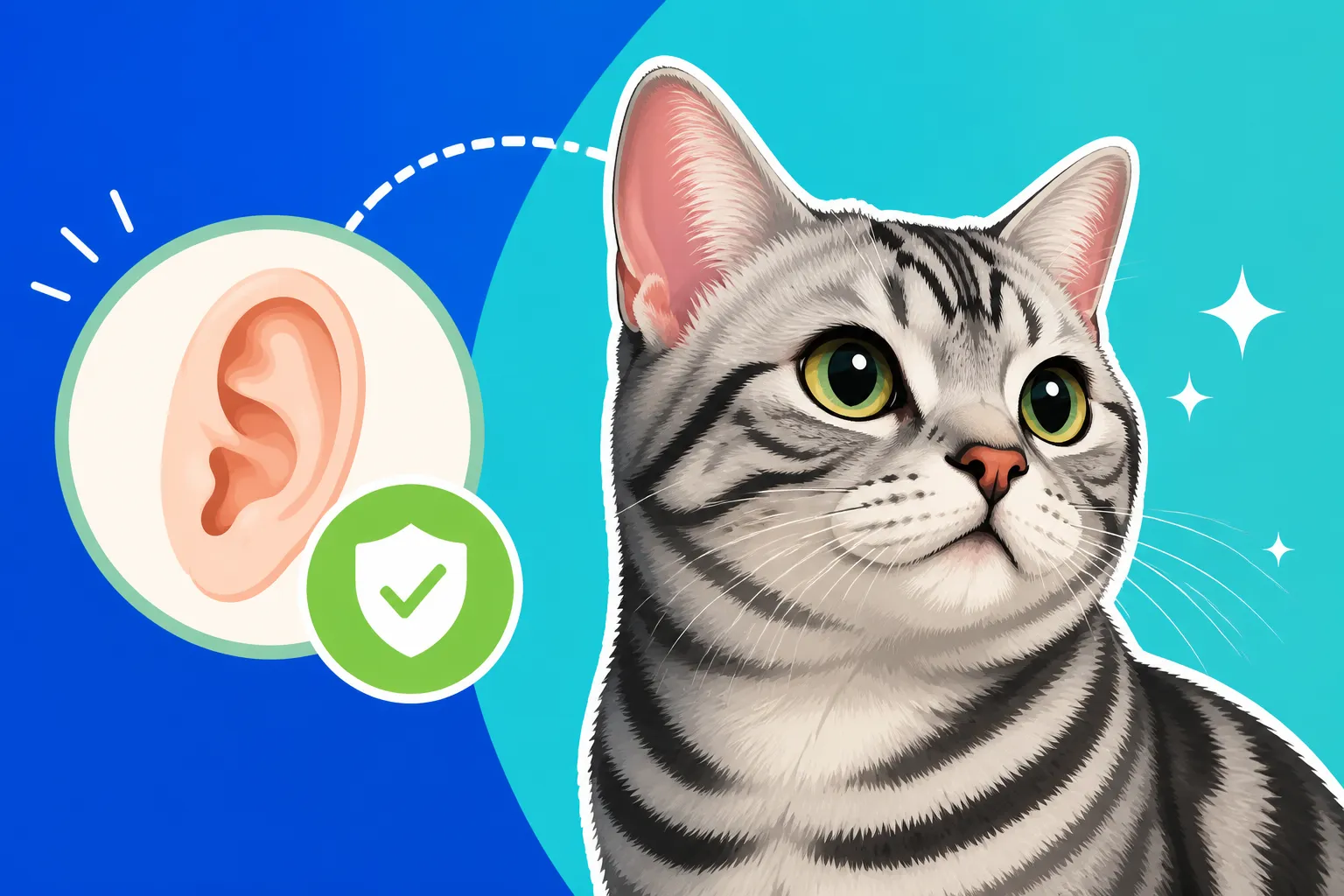
How Rarely an American Shorthair Gets an Ear Infection
It’s a common worry for any cat parent: the scratching, the head shaking, the tell-tale odor coming from their beloved furball’s ears. Ear infections in cats can be incredibly uncomfortable, and left untreated, lead to serious complications. However, if you're the proud owner of an American Shorthair, you might find yourself breathing a sigh of relief, as these robust felines are remarkably less prone to ear infections compared to many other breeds. This guide will delve into why your American Shorthair often boasts healthy ears, what factors might still put them at risk, and how to keep their ears in tip-top shape.
Why American Shorthairs Enjoy Healthy Ears
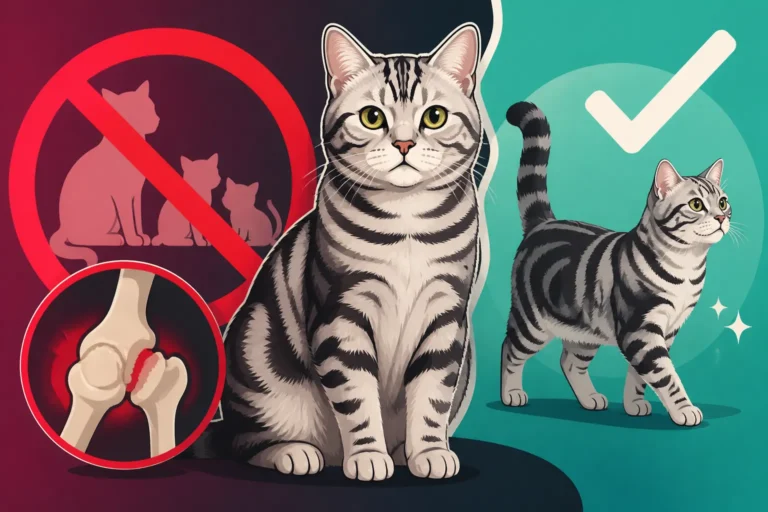
The American Shorthair's reputation for health isn't just hearsay; it's deeply rooted in their history and breeding. These cats weren't developed for extreme physical traits that often come with health trade-offs. Instead, they were valued for their utility as working cats, adept at pest control on farms and ships. This meant that only the hardiest, most resilient cats with strong immune systems and functional anatomy thrived and reproduced. This natural selection process gifted them with excellent general health, and robust ear health is a part of that legacy.
Natural Resistance and Genetics
Unlike some breeds selectively bred for exaggerated features like folded ears or long, dense fur that can trap moisture and debris, the American Shorthair possesses a very practical, open ear structure. Their ears are medium-sized, set wide apart, and have a naturally open canal that allows for good air circulation. This simple anatomical feature significantly reduces the warm, moist environment that yeast and bacteria love to call home. Think of it like a well-ventilated room versus a stuffy, damp closet – which one is more likely to grow mold?
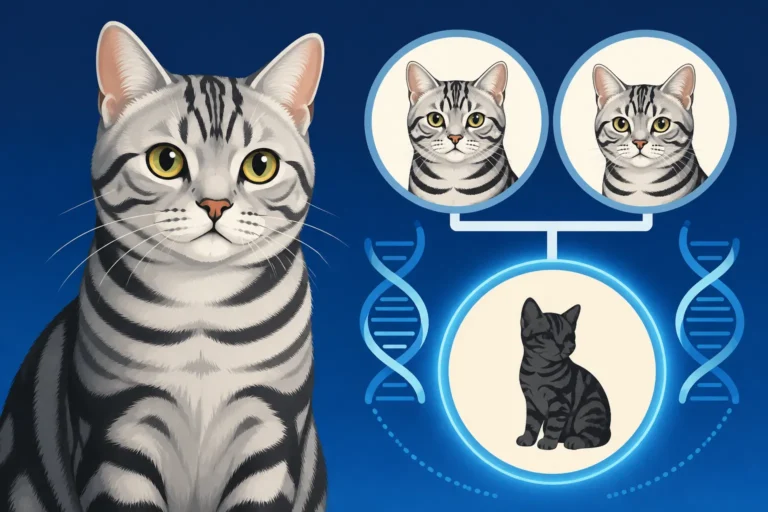
Furthermore, because they are considered "the control group of cat breeding," American Shorthairs generally have a wide gene pool, which often translates to fewer genetic predispositions for common ailments, including chronic ear issues. This breed was never subjected to the kind of intensive selective breeding that can sometimes inadvertently introduce or amplify genetic weaknesses. This inherent hardiness is a blessing for owners, often translating to fewer unexpected vet visits for minor complaints. It's one of the reasons why many consider them to be a low anesthetic risk if they ever do need a procedure.
Minimal Grooming Requirements
The American Shorthair's short, dense coat is another factor contributing to their ear health. This coat is designed for practicality, to withstand various weather conditions without matting or collecting excessive debris. Unlike long-haired breeds that can have hair growing deep into their ear canals, trapping wax and dirt, American Shorthairs typically have minimal hair around and inside their ears. This means less likelihood of foreign bodies getting stuck and less need for owner intervention with ear cleaning, which, if done improperly, can sometimes irritate the ear canal.
Their self-grooming habits are usually more than sufficient for maintaining clean ears under normal circumstances. They are quite adept at keeping themselves tidy, and because their ears are so accessible, they don't generally require specialized grooming tools or professional groomers to keep them in good condition. This low-maintenance aspect is definitely one of the perks of owning an American Shorthair, allowing them to focus on more important things, like maintaining their vigilant patrol schedule.
Common Causes of Ear Infections in Cats
While American Shorthairs are less susceptible, it's not a guarantee they'll never experience an ear infection. Understanding the general causes can help you identify potential risks for any cat, including your own American Shorthair, especially if their lifestyle changes.
The Usual Suspects: Mites, Bacteria, and Yeast
The most frequent culprits behind feline ear infections are ear mites, followed by bacterial or yeast overgrowth. Ear mites, tiny parasites that thrive in the ear canal, are highly contagious and can cause intense itching, leading to inflammation and secondary infections. If your American Shorthair spends any time outdoors, or interacts with other animals, they could pick up these pesky parasites. For example, if your cat happens to be one of the outdoor American Shorthairs that come home with various parasites, ear mites could certainly be among them. Even though an American Shorthair generally takes minimal outdoor risks compared to some more adventurous breeds, no cat is entirely immune to parasites.
Bacterial and yeast infections typically occur when the ear's delicate environment is compromised, perhaps by excessive moisture, allergies, or an underlying health condition that weakens the immune system. When the natural balance is disturbed, these opportunistic organisms can multiply rapidly. Cats with allergies, for instance, might experience inflammation in their ear canals, making them more prone to secondary infections.
Other Contributing Factors
Beyond the primary infectious agents, several other factors can predispose a cat to ear problems:
- Allergies: Both environmental and food allergies can manifest as skin and ear inflammation. If your American Shorthair develops chronic itching or skin issues, ear irritation might follow.
- Foreign Bodies: Things like grass awns or small pieces of debris can find their way into the ear canal, causing irritation, pain, and infection. This is more common in outdoor cats who might brush through tall grasses.
- Polyps or Tumors: Less common but serious, growths within the ear canal can block airflow, trap debris, and lead to recurrent infections. These might require surgical removal.
- Excessive Wax Buildup: While not directly an infection, thick ear wax can provide a breeding ground for bacteria and yeast if not managed. However, American Shorthairs rarely have issues with excessive wax.
- Underlying Health Conditions: Systemic illnesses that suppress the immune system can make a cat more vulnerable to infections of all kinds, including in the ears. This is less typical for a generally healthy American Shorthair, which is often used as a health benchmark.
- Improper Ear Cleaning: Paradoxically, over-enthusiastic or incorrect cleaning can push debris deeper into the ear canal, cause trauma, or introduce bacteria, leading to infection. It's why knowing how to clean an American Shorthair's ears properly is so vital, even if they rarely need it.
Spotting the Subtle Signs of an Ear Issue
American Shorthairs are known for their calm and somewhat stoic demeanor. This can be a double-edged sword when it comes to health issues, as they often tend to hide pain and discomfort for longer than more outwardly expressive breeds. It’s a trait that sometimes leaves owners wondering why a withdrawn American Shorthair should see a vet. This stoicism means you need to be particularly observant to catch the subtle signs of an ear infection early on.
Behavioral Cues and Physical Indicators
The most obvious signs of an ear infection typically involve changes in behavior related to their ears or head. Keep an eye out for:
- Excessive Head Shaking: This is often the first clear indicator. They might shake their head frequently, as if trying to dislodge something.
- Constant Ear Scratching: Pawing at their ears or rubbing them against furniture, sometimes to the point of causing skin irritation or hair loss around the ear.
- Discharge from the Ear: This can range from dark, waxy debris (often a sign of ear mites) to yellowish, pus-like discharge (indicating bacterial infection). The consistency and color can give clues.
- Unpleasant Odor: A foul smell emanating from the ear is a strong sign of infection, especially yeast overgrowth which has a distinct, sweet-sour smell.
- Redness or Swelling: Inspect the visible part of the ear canal and outer ear flap. Is it unusually red, swollen, or tender to the touch?
- Pain or Sensitivity: Your cat might cry out, flinch, or become aggressive when you try to touch their head or ears.
- Head Tilt: In more severe cases, or if the infection is affecting their balance, they might hold their head at an unusual angle.
- Reluctance to Play or Irritability: General changes in mood or energy levels can be subtle clues that something is bothering them, especially if their usual hunting drive seems diminished.
It’s crucial to remember that because an American Shorthair is a stoic breed, a limp in a stoic American Shorthair is never minor, and neither are persistent signs of discomfort like head shaking. Always take these cues seriously.
What to Do If You Suspect an Issue
If you notice any of these signs, your first step should always be a visit to your veterinarian. Do not attempt to clean or treat the ear yourself with home remedies, as this can worsen the problem or make diagnosis more difficult. A vet will have the specialized tools to look deep into the ear canal, collect samples of any discharge, and accurately diagnose the type of infection (mites, bacteria, yeast) or rule out other issues like foreign bodies or growths.
They will then prescribe the appropriate medication, which might include ear drops (antifungal, antibiotic, or anti-parasitic), oral medications, or even a thorough professional cleaning under sedation in severe cases. Early intervention is key to preventing discomfort, more serious complications, and chronic ear issues. Many routine check-ups and unexpected visits can be financially daunting, so having a good pet insurance plan like Healthy Paws can truly make a difference in providing your American Shorthair with the best possible care without added financial stress.
Preventative Care for Healthy American Shorthair Ears
Even though American Shorthairs are blessedly low-maintenance in the ear department, a little preventative care goes a long way in ensuring their ears remain healthy throughout their long lifespan. Consistent, gentle attention is always better than reactive treatment.
Routine Checks and Gentle Observation
The best prevention starts with simply paying attention during your regular interactions. When you’re giving your American Shorthair some loving ear rubs, take a moment to gently lift the ear flap and peek inside. You're not trying to do a deep clean, just a quick visual inspection.
Look for:
- Any redness, swelling, or obvious discharge.
- An unusual odor.
- Excessive wax buildup (a little is normal, but a lot is not).
- Your cat's reaction to being touched around the ears – do they flinch or show discomfort?
This can be part of a broader routine check-up that includes looking over their paws, teeth, and coat. This kind of regular, hands-on interaction is not only great for bonding but also helps you spot subtle changes before they become major problems. Remember, how regularly a healthy American Shorthair still needs checking extends beyond just vet visits to your daily observations at home.
Environmental Management and Lifestyle Choices
For American Shorthairs, their lifestyle often plays a significant role in their overall health, including their ears. If your cat is strictly an indoor dweller, their risk of exposure to ear mites, ticks, and other outdoor-related infections is drastically reduced. However, if you have an outdoor American Shorthair, ensuring they receive regular flea and tick prevention that also covers ear mites is crucial. Discussing this with your vet will help you choose the right product and schedule.
Consider also their environment:
- Cleanliness: Keep their living areas clean, especially their bedding, to minimize allergens and potential sources of mites or bacteria.
- Other Pets: If you have other pets, especially if they go outdoors or have a history of ear problems, ensure they are also routinely checked and treated for parasites to prevent cross-contamination.
- Stress Reduction: While a calm American Shorthair generally handles change well, chronic stress can impact a cat's immune system, making them more susceptible to illness. Maintaining a stable, enriching environment is always beneficial.
The Role of Veterinary Care
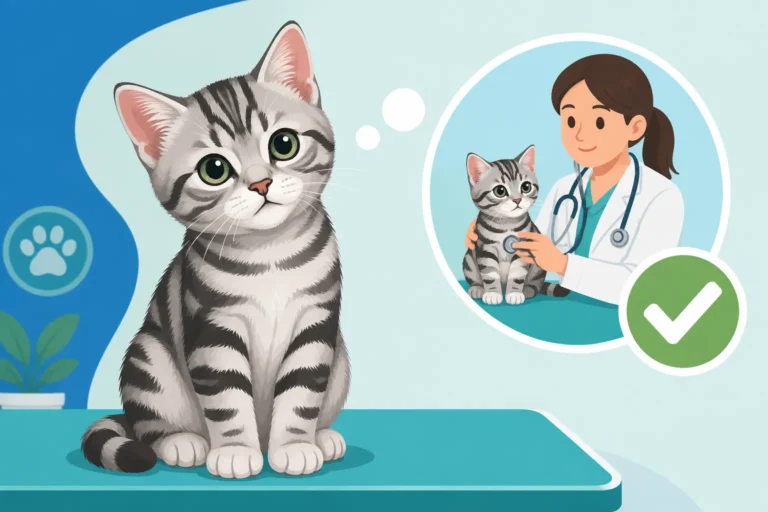
Regular veterinary check-ups are paramount for all cats, including your hardy American Shorthair. During these visits, your vet will perform a thorough physical exam, which always includes a peek into your cat's ears with an otoscope. This allows them to see much deeper than you can at home and identify potential issues before they become noticeable to you.
These routine examinations are also an excellent opportunity to discuss any concerns you might have, from changes in behavior to questions about preventative medications. Your vet can provide guidance on appropriate ear care for your specific cat, which, for most American Shorthairs, will involve minimal intervention. Many pet parents find that a robust pet insurance plan, like those offered by Healthy Paws, helps cover the cost of these annual wellness exams and any unexpected treatments, offering peace of mind.
Even though American Shorthairs rarely suffer from ear infections, a proactive approach to their general health and a keen eye for subtle signs of discomfort will ensure their ears, and indeed their entire well-being, remain in excellent condition for their many years by your side.
| Common Feline Ear Issues | Typical Symptoms | Prevalence in American Shorthairs |
|---|---|---|
| Ear Mites | Intense itching, dark, waxy/crusty discharge, head shaking, scratching | Occasional (more common in outdoor/multi-cat households) |
| Bacterial Infections | Yellowish/pus-like discharge, foul odor, redness, swelling, pain | Rare (usually secondary to other issues like allergies) |
| Yeast Infections | Sweet-sour odor, waxy brown discharge, itching, redness | Rare (often secondary to allergies or moisture) |
| Foreign Bodies | Sudden head shaking, pain, pawing at ear, discharge (unilateral) | Rare (depends on outdoor exposure) |
| Allergies | Chronic itching, redness, recurrent infections, skin issues | Occasional (can be environmental or food-related) |
| Polyps/Tumors | Chronic or recurrent discharge, head shaking, pain, changes in balance | Very Rare (serious, requires vet diagnosis) |
Disclaimer
The information provided in this article is for general educational and informational purposes only, and does not constitute veterinary advice. Always consult with a qualified veterinarian for any health concerns or before making any decisions about your pet's health or treatment.