Whether Cancer Is Any More Common in an American Shorthair
The thought of your beloved feline friend facing a cancer diagnosis is one that chills any cat parent to the bone. We spend so much time worrying about the health and happiness of our American Shorthairs, and when it comes to serious illnesses like cancer, it's natural to wonder if our particular breed is more susceptible. This guide is here to shed light on whether cancer is any more common in an American Shorthair, and what you, as their dedicated caregiver, can do to promote their lifelong health.
Understanding Cancer in the Feline World
It's a stark reality that cancer is a significant health concern for many cats, regardless of their breed. Just like in humans, it's essentially the uncontrolled growth of abnormal cells that can invade and damage surrounding tissues. This process can happen anywhere in the body, manifesting in a myriad of ways, from visible lumps to internal organ dysfunction that's much harder to detect without veterinary intervention. The tricky part is that cats are masters of disguise, often hiding their pain and illness until it's quite advanced, which only adds to our anxiety as pet parents.
What is Cancer in Cats?
At its core, cancer in felines is not so different from cancer in other species. It starts when a cell's DNA becomes damaged, leading to mutations that prevent the cell from dying off when it should or cause it to reproduce uncontrollably. These rogue cells then form tumors, which can be benign (non-cancerous and usually localized) or malignant (cancerous, capable of invading other tissues, and potentially spreading, or metastasizing, to distant parts of the body). The severity and prognosis largely depend on the type of cancer, its location, and how early it is detected. Understanding this basic mechanism helps us appreciate why early detection is such a critical component of successful treatment.
The reality is that cancer cells can develop from almost any tissue in the body, which is why the symptoms can be so varied and sometimes subtle. You might see changes in appetite, lethargy, or unexplained weight loss, or you might discover a suspicious lump during a routine petting session. The sheer diversity of how cancer presents itself means that any unusual or persistent change in your cat's behavior or physical condition warrants a trip to the vet. It's always better to be safe than sorry, and what might seem like a minor issue could be an early warning sign of something more serious.
Common Cancer Types Across All Breeds
While there are countless types of cancer, some are more frequently observed in the general cat population. Lymphoma, a cancer of the lymphatic system, is arguably one of the most common, often affecting the gastrointestinal tract, lymph nodes, or even the nasal cavity. It's a particularly insidious disease because its symptoms can often mimic other less serious conditions, making diagnosis challenging.
Another frequently encountered cancer is mammary gland carcinoma, particularly in unspayed female cats. This highlights the importance of early spaying, as it significantly reduces the risk of this aggressive cancer. Skin cancers, like squamous cell carcinoma, are also seen, especially in cats with light-colored fur who spend a lot of time basking in the sun. Additionally, soft tissue sarcomas, osteosarcoma (bone cancer), and various types of oral cancers also appear with some regularity. Each of these carries its own set of risk factors and symptoms, underscoring the need for vigilant observation and routine veterinary care for all cats.
The American Shorthair's Health Reputation
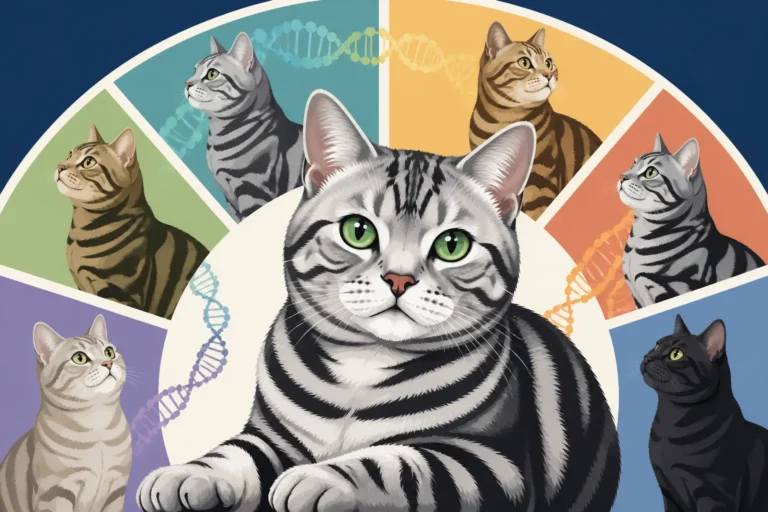
When we talk about the American Shorthair, we're talking about a breed renowned for its robust health and impressive longevity. Unlike some pedigrees that have been selectively bred for extreme physical traits, often leading to a host of associated health problems, the American Shorthair has largely retained the hardiness of its working ancestors. This heritage plays a significant role in their overall resistance to many genetic ailments.
A Breed Built for Durability
The ancestors of the American Shorthair were, quite simply, working cats. They sailed on ships, protected harvests on farms, and kept homes free of rodents. Survival of the fittest was their breeding program, meaning only the most resilient, adaptable, and healthy cats thrived and passed on their genes. This isn't a breed engineered in a laboratory for aesthetic whims; it's a natural breed that developed over centuries, prioritizing strength, agility, and a strong immune system. This background is a huge part of why the American Shorthair is Used as a Health Benchmark in the feline world.
This natural selection has resulted in a cat with a well-balanced physique and a broad genetic base, factors that contribute significantly to a lower incidence of many hereditary diseases seen in more specialized breeds. They weren't bred for a specific head shape that might constrict airways, or a coat type that traps heat or causes skin issues. Instead, their body structure is solid and functional, designed for effective hunting and general resilience. This means fewer inherent weaknesses that could predispose them to certain health complications, including some forms of cancer linked to specific genetic mutations in other breeds.
Inherited Disease Profile
Compared to many other pedigreed cats, the American Shorthair boasts an enviably clean bill of health regarding inherited diseases. While no breed is entirely immune to genetic quirks, the American Shorthair does not carry a long list of breed-specific genetic predispositions. For instance, you won't typically find them plagued by the polycystic kidney disease (PKD) that affects some Persian lines, or the severe skeletal issues sometimes seen in Scottish Folds. This is a huge relief for owners, as it means many of the anxieties associated with specific breed-linked health problems are largely absent. You can learn more about what an American Shorthair With No Designer Defect Gets Instead, which really puts their natural robustness into perspective.
However, it’s important to remember that 'clean bill of health' doesn’t mean 'zero risk'. One inherited disease that has been identified in the American Shorthair population, though generally at a low prevalence, is Hypertrophic Cardiomyopathy (HCM). While HCM itself is a heart condition, not a cancer, it serves as a reminder that even robust breeds require diligent screening and care. For the most part, though, their genetic diversity means they aren't uniquely prone to specific types of cancer in the way some other breeds might be. This broad genetic pool helps to dilute the impact of any single problematic gene, contributing to their overall good health.
Specific Cancer Risks in American Shorthairs
Given their reputation for health, many American Shorthair owners naturally wonder if their cats are truly less prone to cancer. The answer isn't a simple yes or no, but rather a nuanced understanding of their general resilience combined with universal risk factors.
Are American Shorthairs Predisposed to Certain Cancers?
The good news for American Shorthair owners is that, generally speaking, there isn't evidence to suggest that they are predisposed to any specific type of cancer at a higher rate than the general cat population. They don't have a known genetic marker that increases their risk for, say, specific leukemias or sarcomas, which is a blessing compared to some breeds that carry such burdens. This aligns with their history as a naturally robust breed, where selective pressures favored health over highly specialized traits that might introduce vulnerabilities.
However, this doesn't grant them immunity. What it means is that the cancers they might develop are more likely to be the same types that affect any cat, such as lymphoma, mammary cancer, or skin tumors, influenced more by age, environment, and individual circumstances rather than breed-specific genetics. It's less about the 'American Shorthair' factor and more about the 'cat' factor when it comes to general cancer risk. This distinction is crucial, as it shifts the focus from breed-specific anxiety to universal preventative care that benefits all felines.
Age-Related Cancer Incidence
One of the biggest factors influencing cancer incidence in American Shorthairs, as with all cats, is age. As cats get older, their cells have had more time to accumulate damage and mutations, increasing the likelihood of cancerous changes. It's an unfortunate truth that the longer a cat lives, the higher their chances of developing some form of cancer. Since The Fifteen to Twenty Years the American Shorthair Was Given is a common expectation, it also means they have ample time to encounter age-related diseases.
Many American Shorthairs enjoy long, healthy lives well into their teens and even beyond, reaching senior status around 12 years of age or more. This extended lifespan means that while they might not have a higher breed-specific risk, they do have a longer period during which age-related cancers can develop. For instance, conditions like lymphoma, chronic kidney disease, and hyperthyroidism are more common in older cats, and sadly, cancer can be a part of that picture too. This means that as your American Shorthair enters their golden years, vigilant monitoring for any changes, no matter how subtle, becomes even more critical. Caring for an American Shorthair Past Twelve often means a closer watch on their overall health and regular vet check-ups.
Environmental and Lifestyle Factors
While genetics play a role in overall health, environmental and lifestyle factors are huge contributors to cancer risk in all cats, including the resilient American Shorthair. As pet parents, these are the areas where we have the most influence, making conscious choices that can impact our cat's long-term well-being.
The Impact of Indoor vs. Outdoor Lifestyles
The debate about indoor versus outdoor cats is a perennial one, and when it comes to cancer risk, there are clear distinctions. Outdoor American Shorthairs, while they might enjoy the thrill of the hunt and expanded territory, are exposed to a greater array of environmental carcinogens. This includes pesticides, herbicides, and other chemicals used in gardens and lawns that they might ingest from grooming their paws or eating contaminated prey. They also face increased exposure to solar radiation, especially those with lighter fur, which can lead to skin cancers like squamous cell carcinoma, particularly on ears, noses, and eyelids.
Conversely, indoor American Shorthairs generally have a reduced exposure to these outdoor hazards. However, they aren't entirely risk-free. Indoor environments can still harbor risks from household chemicals, cigarette smoke, and even certain types of dust. The key is balance and awareness. For those with outdoor cats, ensuring they are protected from harmful chemicals and checking them regularly for any skin lesions is paramount. For indoor cats, maintaining a clean home environment and providing ample enrichment to keep them stimulated and active is crucial.
Diet, Weight, and Cancer Risk
It might sound obvious, but what your American Shorthair eats and how much they weigh can significantly impact their overall health, including their susceptibility to certain cancers. Obesity, a growing problem in pet populations, is a known risk factor for various health issues, and some research suggests a link between excess weight and certain cancers in cats, similar to findings in humans. An overweight cat experiences chronic inflammation, and altered hormone levels, both of which can create an environment more conducive to cancer development. You can definitely link this to How Many Years Extra Weight Takes Off the American Shorthair's Lifespan, showing the broad impact of diet.
Feeding a high-quality, balanced diet appropriate for your cat's age, activity level, and health status is fundamental. Portion control is absolutely key, especially for indoor American Shorthairs who no longer have the active mousing job their ancestors did. Regular exercise, even for an indoor cat, is vital for maintaining a healthy weight and overall metabolic function. Consulting with your veterinarian to establish an ideal weight range and a suitable diet plan for your American Shorthair is one of the best preventative measures you can take. They can help you decipher the nutritional labels and recommend specific brands or formulations that will best support your cat's needs.
The Role of Spaying and Neutering
This is one of the most impactful decisions you can make for your American Shorthair's long-term health, particularly concerning cancer prevention. For female cats, spaying (ovariohysterectomy) before their first heat cycle dramatically reduces the risk of mammary gland tumors. These tumors can be quite aggressive in cats, often metastasizing quickly. By removing the ovaries, you eliminate the hormonal influences that drive these cancers. For male cats, neutering removes the risk of testicular cancer entirely, though this is a less common cancer in felines compared to mammary tumors.
Beyond cancer prevention, spaying and neutering also offer a host of other health and behavioral benefits, such as preventing pyometra (a life-threatening uterine infection in unspayed females) and reducing undesirable behaviors like spraying or roaming. If you're considering adopting an American Shorthair or have a young kitten, discussing the optimal timing for spaying or neutering with your vet is a critical step in their preventative care plan. It's a relatively straightforward procedure with profound positive impacts on their health trajectory.
Recognizing the Signs and Early Detection
Because American Shorthairs are so stoic and adept at hiding illness, recognizing the subtle signs of cancer can be challenging. However, being intimately familiar with your cat's normal behavior and physical condition is your most powerful tool in early detection. Every day interactions, from petting to play, are opportunities to observe and assess.
Subtle Changes to Watch For
It's those quiet, gradual shifts that often go unnoticed but can be crucial indicators. Has your normally enthusiastic American Shorthair become a bit more withdrawn or lethargic? Are they eating less, or perhaps more, leading to unexplained weight loss or gain? Pay attention to any persistent changes in appetite, thirst, or bathroom habits. A cat suddenly urinating more frequently or straining in the litter box could indicate a urinary tract issue, but it could also be a sign of something more serious. Watch for any persistent vomiting, diarrhea, or difficulty swallowing. These can all be vague, non-specific symptoms, but if they continue for more than a day or two, they warrant veterinary attention.
Beyond behavioral changes, a thorough physical check of your cat during petting sessions can reveal much. Are there any new lumps or bumps on their body, especially in areas like the neck, armpits, or groin where lymph nodes are located? Is their coat looking dull or unkempt, perhaps because they're struggling to groom themselves due to pain? Are there any unexplained sores that won't heal, or unusual discharge from their eyes, nose, or mouth? Even something like a change in the odor of their breath could be a sign of an underlying issue. Remember, your American Shorthair is an individual, and any deviation from their normal should raise a flag. Learning How to Check an American Shorthair for Lumps is a simple, yet vital, skill for any owner.
The Importance of Regular Vet Checks
I cannot stress this enough: routine veterinary examinations are absolutely paramount, especially as your American Shorthair ages. Even if your cat seems perfectly healthy, an annual or biannual check-up allows your veterinarian to perform a comprehensive physical exam, which includes palpating lymph nodes, checking for lumps, listening to their heart and lungs, and assessing their overall body condition. These regular visits establish a baseline for your cat's health, making it easier for your vet to spot subtle changes over time. This proactive approach is a cornerstone of long-term feline health.
For senior American Shorthairs, these check-ups become even more critical. Many vets recommend twice-yearly visits for older cats, along with routine bloodwork and urinalysis. These diagnostic tests can detect internal issues, like changes in organ function or the presence of inflammatory markers, long before any outward symptoms become apparent. Early detection through these routine screenings can mean the difference between a treatable condition and one that has progressed too far. This kind of consistent care can truly extend and improve the quality of your cat's life.
Diagnostic Tools and Procedures
Once your veterinarian suspects cancer, they have a range of diagnostic tools at their disposal to confirm a diagnosis, determine the type of cancer, and assess its extent. It often starts with basic blood work and urinalysis to get a general picture of your cat's health and organ function. These tests might reveal anemia, elevated white blood cell counts, or other indicators that something is amiss internally.
If a lump is present, the next step is often a fine needle aspirate (FNA) or a biopsy. An FNA involves using a small needle to collect cells from the mass, which are then examined under a microscope. A biopsy involves surgically removing a small piece of tissue for more detailed pathological analysis. Imaging techniques such as X-rays, ultrasound, CT scans, and MRI scans are also invaluable for visualizing internal organs, identifying tumors, and checking for metastasis (spread of cancer). For example, an ultrasound might be used to examine abdominal organs for lymphoma, while X-rays might look for signs of lung metastasis. The choice of diagnostic tool depends on the suspected location and type of cancer, all aimed at getting the clearest picture possible to guide treatment.
| Common Cancer Warning Signs in Cats |
|---|
| Physical Changes |
| Lumps or bumps that are growing |
| Non-healing sores |
| Unexplained weight loss or gain |
| Swelling of any body part |
| Changes in bowel/bladder habits |
| Bleeding or discharge |
| Foul odor from mouth/body |
Navigating a Cancer Diagnosis
Receiving a cancer diagnosis for your beloved American Shorthair is incredibly distressing. It’s a moment filled with fear, uncertainty, and a profound sense of helplessness. As a cat parent, you naturally want to do everything you can for them, and understanding the options and what to expect can help you make informed decisions during this challenging time.
Treatment Options for Feline Cancer
The good news is that veterinary oncology has made tremendous strides, offering a variety of treatment options depending on the type and stage of cancer. Surgery is often the first line of defense for solid tumors, aiming to remove the cancerous mass entirely. This can be curative in many cases, especially if the tumor is caught early and hasn't spread. Radiation therapy, using high-energy rays to shrink or kill cancer cells, is another option, sometimes used alone or in conjunction with surgery, particularly for tumors that are difficult to remove completely.
Chemotherapy, often administered orally or by injection, targets rapidly dividing cells, including cancer cells. While the word "chemotherapy" can sound frightening due to its human associations, feline chemotherapy protocols are generally designed to be much gentler, aiming for good quality of life rather than aggressive cures at all costs. Cats typically tolerate chemotherapy much better than humans, with fewer severe side effects. Additionally, there’s palliative care, which focuses on managing pain and improving comfort when a cure isn't possible, ensuring your cat maintains the best possible quality of life for as long as possible. The specific treatment plan will be tailored to your American Shorthair by an oncology specialist, taking into account their overall health, the type of cancer, and your family’s wishes. This is where pet insurance, like a policy from Healthy Paws, can become invaluable, helping to cover the often significant costs of these advanced treatments.
Quality of Life and Prognosis
When facing a cancer diagnosis, the conversation inevitably turns to prognosis and, more importantly, quality of life. For many American Shorthairs, who are generally healthy and robust, they may have a good chance of responding well to treatment, especially with early detection. However, it's crucial to have realistic expectations. Your veterinary oncologist will be able to give you the most accurate picture based on your cat's specific situation. They'll discuss the potential outcomes, the challenges of treatment, and what you can expect in terms of recovery and long-term management.
The focus should always remain on your cat's comfort and happiness. Even if a full cure isn't possible, treatments can often extend their life comfortably for months or even years. This might involve a combination of medication, dietary adjustments, and environmental enrichment to ensure they continue to enjoy their daily routines. Throughout the process, continuous communication with your vet is vital to assess your American Shorthair's response to treatment, manage any side effects, and make decisions that prioritize their well-being. Knowing what an Untested American Shorthair Usually Dies Of can sometimes offer perspective, but each cat's journey is unique, and your bond with them will guide your choices.
Disclaimer
The information provided in this article is for general informational purposes only and is not intended as a substitute for professional veterinary advice, diagnosis, or treatment. Always seek the advice of your veterinarian or other qualified animal health provider with any questions you may have regarding a medical condition or treatment for your American Shorthair.