Which Diseases the American Shorthair Actually Carries
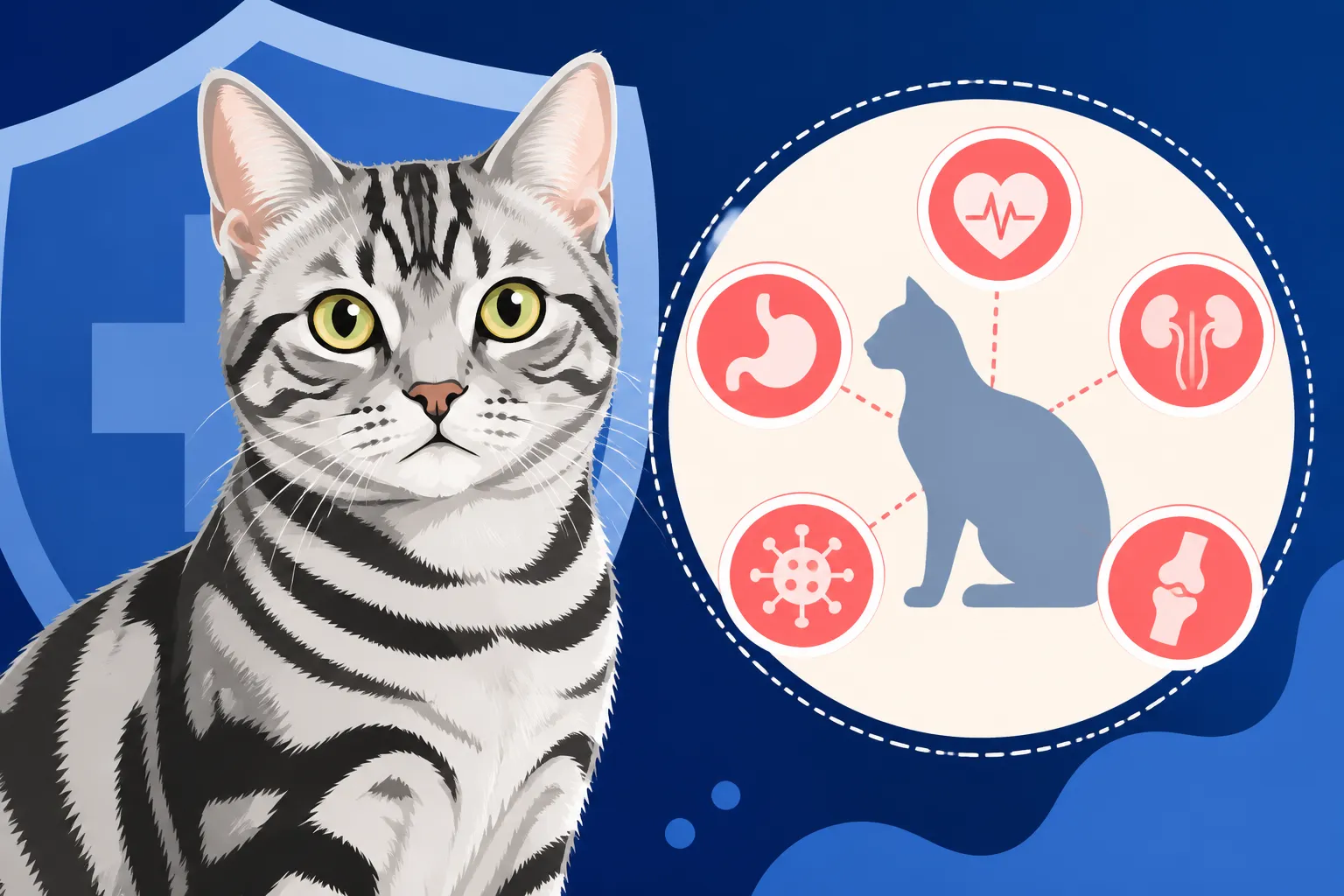
It’s incredibly disheartening when you choose a pedigree cat, expecting a clean bill of health and specific traits, only to be overwhelmed by conflicting information online about potential breed-specific illnesses. Many people worry if their beloved American Shorthair, with its sturdy build and amiable nature, might be secretly predisposed to a host of complex conditions. This guide aims to cut through the noise, providing a realistic, in-depth look at the health profile of the American Shorthair, pinpointing the specific diseases they might genuinely carry and how best to manage their care for a long, happy life.
Why the American Shorthair Stands Out for Its Robust Health
When we talk about the American Shorthair, we’re not just talking about another pretty face in the cat world. We're talking about a living testament to natural selection and function. This breed has a remarkable reputation for being incredibly healthy, often serving as a benchmark for what a well-bred cat should be. It’s a huge relief for owners, especially those new to pedigree cats, to know they’ve chosen a companion renowned for its hardiness.
Tracing Back to a Natural, Functional Origin
Unlike many designer breeds created through selective breeding for extreme looks, the American Shorthair's ancestors earned their keep. These were the working cats of America, arriving on ships with early settlers and tasked with pest control. They weren't coddled; they were survivors, breeding for health, strength, and adaptability. This rugged heritage meant that only the fittest thrived, naturally weeding out genetic weaknesses over generations. Think of them as the original "farm cats" or "barn cats" – their very existence depended on their ability to stay healthy and productive. This pragmatic history is a huge part of why the American Shorthair is Used as a Health Benchmark today. They were never bred for exaggerated features that could compromise their well-being, like flattened faces leading to breathing issues or extreme long coats causing grooming nightmares. Their purpose was clear: to be efficient and healthy pest controllers.
The Genetic Diversity that Protects the Breed
One of the key factors contributing to the American Shorthair's excellent health is its broad genetic base. For a long time, the breed registry remained open, allowing well-typed, healthy domestic shorthairs to be brought into the official lines. This influx of new genes helped maintain a wide gene pool, preventing the kind of inbreeding that often concentrates undesirable genetic mutations in other, more closed breeds. It’s a stark contrast to some breeds where centuries of closed studbooks have led to a narrow genetic bottleneck, increasing the risk of inherited diseases. The question of Whether the American Shorthair Gene Pool Is Still Open is an important one for breeders concerned with maintaining this vital diversity. This openness has served the breed incredibly well, ensuring a robust genetic makeup that can resist many of the issues seen elsewhere.
Benchmarking Against Other Pedigrees
It's common for prospective cat owners to compare the health of different breeds, and in this comparison, the American Shorthair almost always shines. While no breed is entirely immune to health issues, the American Shorthair generally boasts a lower incidence of inherited diseases compared to many of its purebred counterparts. For instance, you often hear concerns about polycystic kidney disease (PKD) in Persians or hip dysplasia in Maine Coons. While specific conditions can arise in any population, the American Shorthair rarely shows a widespread predisposition to such severe, debilitating genetic conditions. This often translates into fewer unexpected vet bills, which is a significant factor for many families. Pet insurance providers like Healthy Paws often reflect this in their premiums, with less risk associated with the breed. This breed’s health profile helps explain Why an American Shorthair Costs a Vet Less Than a Persian for routine and preventative care.
The One Inherited Heart Condition: Hypertrophic Cardiomyopathy (HCM)
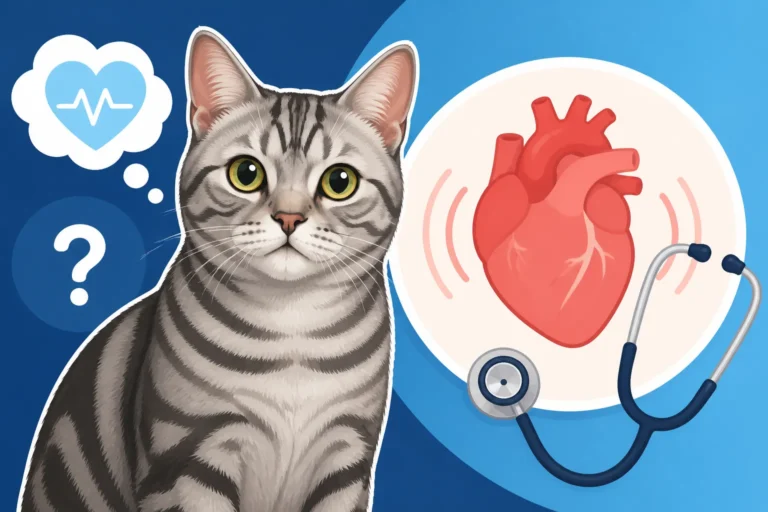
Despite their generally excellent health, there's one significant inherited condition that American Shorthair owners and breeders need to be aware of: Hypertrophic Cardiomyopathy (HCM). It's a common heart disease in cats overall, but it does have a documented presence in the American Shorthair, making it the primary inherited concern.
Understanding HCM's Presence in American Shorthairs
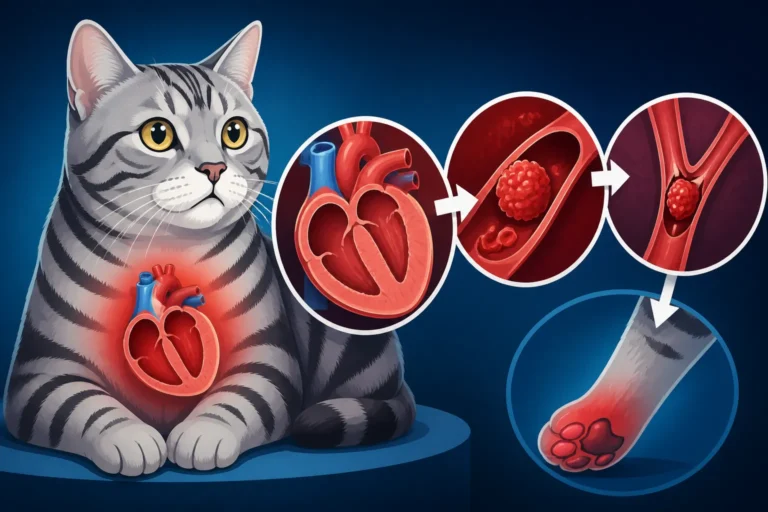
HCM is a disease where the muscular walls of a cat's heart, particularly the left ventricle, become abnormally thick. This thickening makes it harder for the heart to pump blood effectively, leading to potential complications like congestive heart failure, blood clots, and sudden death. It's truly a silent killer because cats are masters at hiding illness, and often, the first sign something is wrong is a severe crisis. While it's certainly not as prevalent as in some other breeds like the Maine Coon or Ragdoll, HCM Is the One Inherited Disease the American Shorthair Kept. Research indicates that while the gene causing HCM has been identified in some breeds, the genetic marker for HCM in American Shorthairs is not fully understood, making testing more complex than a simple DNA swab. This uncertainty can be frustrating for owners hoping for a definitive "all clear."
The Critical Role of Echocardiograms in Screening
Because a simple gene test cannot definitively clear an American Shorthair for HCM, the gold standard for screening remains a regular echocardiogram. This specialized ultrasound of the heart allows a veterinary cardiologist to visualize the heart's structure and function, measuring the thickness of the heart walls and checking for any abnormalities. For breeding cats, annual or biennial screening by a board-certified cardiologist is crucial to identify affected cats before they pass the condition on. Even for pet owners, understanding Why an American Shorthair Still Needs a Yearly Heart Scan, especially as they age, is vital. Early detection doesn't cure the disease, but it allows for management strategies, like medications that can improve heart function and potentially extend a cat's quality of life. Without this screening, the disease can progress unnoticed, leading to a sudden and heartbreaking outcome. Many pet insurance plans, such as those offered by Healthy Paws, cover diagnostic tests like echocardiograms if a heart condition is suspected, which can be a huge financial relief.
Living with an HCM Diagnosis
Receiving an HCM diagnosis for your American Shorthair can be devastating, but it's not an immediate death sentence. With proper veterinary care and medication, many cats can live comfortably for months or even years after diagnosis. Treatment typically involves drugs to slow the heart rate, improve blood flow, and prevent clot formation. Regular follow-up appointments with a cardiologist are essential to monitor the disease's progression and adjust medication as needed. It's a journey that requires vigilance, but watching for subtle changes in energy levels, appetite, or breathing can help you respond quickly to any deterioration. Your vet will guide you through the process, helping you understand the prognosis and make informed decisions for your cherished companion. Learning How a Vet Manages an American Shorthair With HCM is key to providing the best possible care.
Orthopedic Considerations and the American Shorthair's Sturdy Frame
The American Shorthair is known for its well-muscled, sturdy, and well-balanced physique – a testament to its working-cat origins. While this robust build contributes to their overall hardiness, it can also lead to specific orthopedic considerations, particularly as they age.
Debunking Hip Dysplasia Myths in This Breed
Unlike some larger dog breeds or even certain cat breeds (like the Maine Coon), hip dysplasia is not considered a prevalent or significant inherited issue in the American Shorthair. Their functional breeding history simply didn't select for the extreme growth rates or conformational changes that often predispose other animals to this condition. However, that doesn't mean it's impossible. Any cat could theoretically develop hip dysplasia, particularly if there are environmental factors at play, like rapid growth from overfeeding as a kitten, or if they are significantly overweight as adults. Generally, though, breeders of American Shorthairs do not routinely screen for hip dysplasia because it's so rare, which is a relief for new owners.
How Their Build Impacts Joint Health Over Time
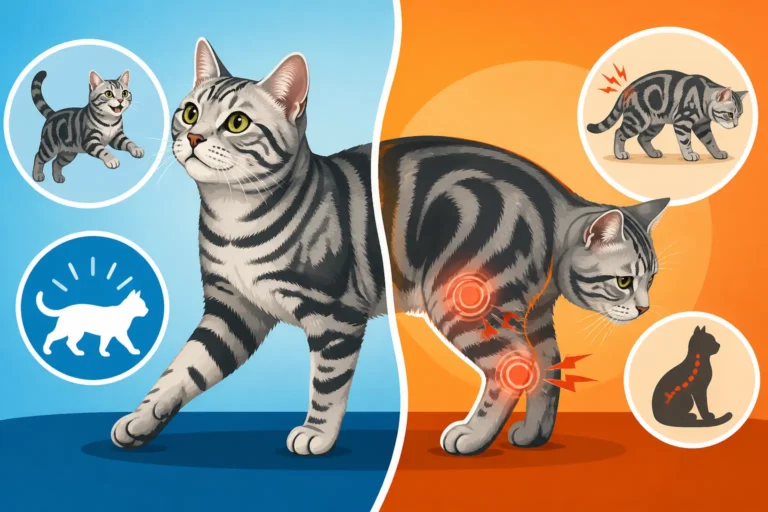
While serious hip dysplasia might not be a primary concern, the American Shorthair's dense bone structure and muscular build mean their joints carry a substantial amount of weight throughout their lives. This can put cumulative stress on their elbows, knees, and hips, especially as they get older. If an American Shorthair is allowed to become overweight, this stress is exponentially increased, accelerating the wear and tear on cartilage and leading to conditions like osteoarthritis. You might start to notice your previously agile cat becoming a bit slower, hesitating before jumping, or showing stiffness after rest. This is why paying attention to Why a Stocky Build Costs an American Shorthair Its Hips is so crucial, even if true dysplasia is rare. Regular, moderate exercise and maintaining an ideal body condition are paramount to preserving joint health.
Supporting Mobility as They Age
As American Shorthairs transition into their senior years, maintaining their mobility becomes a key aspect of their care. Even without a specific orthopedic disease, the natural aging process means joints can stiffen and become less flexible. You might observe your cat showing signs that their joints hurt, such as difficulty using the litter box, avoiding high places, or a general reluctance to move. Providing easily accessible resting spots, ramps, or steps to their favorite perches can make a huge difference. Dietary supplements containing glucosamine, chondroitin, and omega-3 fatty acids can also be beneficial in supporting joint health, and your vet might recommend non-steroidal anti-inflammatory drugs (NSAIDs) if pain becomes a significant issue. Many owners find these interventions, combined with regular, gentle exercise, help to ensure that their American Shorthair remains comfortable and active for as long as possible. Remember, a limp in a stoic American Shorthair is Never Minor.
| Condition | Primary Concern for ASH? | Key Risk Factor/Notes | Screening/Diagnosis | Management |
|---|---|---|---|---|
| Hypertrophic Cardiomyopathy (HCM) | Yes | Inherited, but no clear genetic marker for ASH. | Echocardiogram by board-certified cardiologist | Medication (beta-blockers, ACE inhibitors, anticoagulants), regular vet checks |
| Hip Dysplasia | No (Rare) | Primarily environmental (obesity, rapid growth) if it occurs. | X-rays (if suspected) | Weight management, pain relief, joint supplements |
| Obesity | Yes | Sedentary indoor lifestyle, high appetite. | Body condition score, weight tracking | Diet modification, increased play/exercise |
| Dental Disease | Yes | Common in all cats; lack of consistent dental care. | Oral exam, dental X-rays | Dental cleaning (professional), home brushing, dental diets |
| Urinary Tract Issues (FLUTD) | Yes (Males more prone) | Stress, diet, insufficient water intake. | Urinalysis, ultrasound, bloodwork | Diet changes, increased water, stress reduction, medication |
| Kidney Disease | Yes (Age-related) | Common in older cats across all breeds. | Bloodwork (SDMA, Creatinine), urinalysis, blood pressure | Special diet, fluid therapy, medications, blood pressure management |
| Diabetes Mellitus | Yes (Obesity-related) | Directly linked to obesity and sedentary lifestyle. | Blood glucose, fructosamine levels | Insulin, diet change, weight loss |
Managing the Modern-Day Challenges: Obesity and Related Ailments
While the American Shorthair benefits from its ancestral hardiness, modern living introduces new challenges, with obesity standing out as a pervasive and preventable issue. The very traits that made them excellent working cats can now work against them in a pampered household environment.
The Shift from Working Cat to Couch Companion
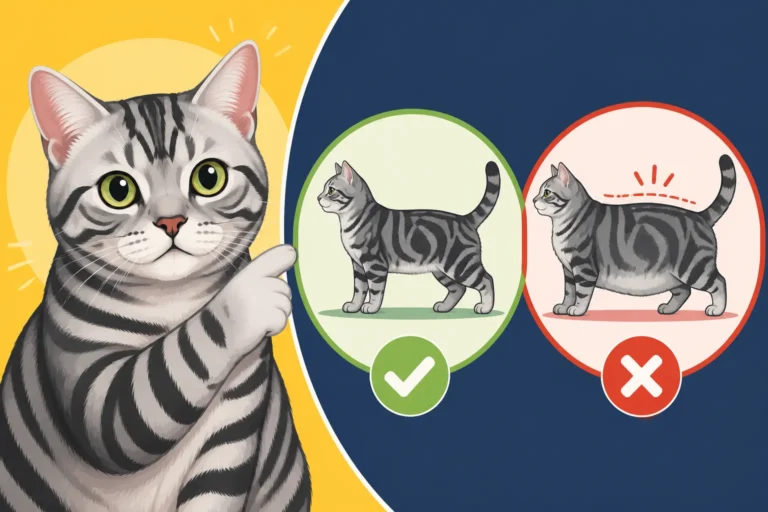
Centuries ago, an American Shorthair's ancestors were constantly on the move, hunting for their meals in barns, fields, and ships. Their metabolism and strong appetites were perfectly tuned for a life of activity and calorie expenditure. Fast forward to today, and most American Shorthairs are cherished indoor pets, their "work" consisting of chasing a feather wand or lounging in a sunbeam. This dramatic shift in lifestyle means that their inherent robust appetite, a survival advantage in the past, now makes them highly prone to weight gain. Without the strenuous activity, those extra calories quickly turn into unwelcome pounds. It’s easy to inadvertently overfeed them, especially since they're such amiable companions who often solicit food. This transition explains Why Indoor Life Made the American Shorthair Fat.
The Cascade of Health Issues Linked to Extra Weight
Obesity isn't just about your cat looking a little chunky; it's a gateway to a host of serious health problems that can significantly shorten their lifespan and diminish their quality of life. An overweight American Shorthair is at a much higher risk for conditions like diabetes mellitus, which can require daily insulin injections. They also face increased strain on their joints, leading to painful arthritis, especially given their naturally sturdy build. Breathing difficulties, reduced mobility, and a diminished ability to groom themselves properly (which can lead to skin infections and matted fur) are also common. Furthermore, obesity can exacerbate existing heart conditions or even lead to liver problems like feline hepatic lipidosis. It’s a vicious cycle that can be incredibly challenging to break once established. Understanding What Extra Weight Does to an American Shorthair's Working Frame highlights the seriousness of this issue.
Nutritional and Lifestyle Interventions
The good news is that obesity is largely manageable with consistent effort. The first step is to accurately assess your American Shorthair's ideal weight and body condition with the help of your veterinarian. Then, a tailored weight loss plan involving portion control and increased activity is key. Switching to a high-protein, moderate-fat, and low-carbohydrate diet, often a veterinary-prescribed "light" or "weight management" food, can be very effective. But it's not just about what they eat; it's also about how they eat. Incorporating puzzle feeders or hiding small portions of food around the house can engage their natural hunting instincts and make them "work" for their meals, burning calories and providing mental stimulation. Regular play sessions with interactive toys are also crucial. Remember, consistency is vital, and patience is a virtue when helping your cat shed those extra pounds. Many pet owners find a comprehensive pet insurance plan from Healthy Paws can help cover the costs of managing obesity-related illnesses should they arise.
Common Feline Health Issues and the American Shorthair's Susceptibility
While American Shorthairs are celebrated for their good health, they are still cats, and like all felines, they are susceptible to the common ailments that can affect any breed. It's important for owners to be aware of these universal challenges.
Dental Disease: A Silent Epidemic Across Breeds
Dental disease is, quite frankly, an epidemic among domestic cats, and the American Shorthair is no exception. It's estimated that by the age of three, most cats show some signs of dental disease. This condition begins with plaque accumulation, which hardens into tartar, leading to gingivitis (gum inflammation) and eventually periodontitis. Untreated, this can cause pain, tooth loss, and even systemic infections as bacteria from the mouth enter the bloodstream, potentially affecting organs like the heart and kidneys. Cats are incredibly stoic, so you might not notice signs until the disease is advanced, perhaps only seeing subtle changes in eating habits or bad breath. Regular dental check-ups and professional cleanings under anesthesia are crucial. Incorporating home dental care, like brushing your cat's teeth, can also make a significant difference in preventing or slowing progression. Why an American Shorthair Loses Teeth Nobody Noticed underscores how stealthy this problem can be.
Urinary Tract Health: Risks and Prevention
Feline Lower Urinary Tract Disease (FLUTD) is a broad term encompassing several conditions that can affect a cat's bladder and urethra. While no breed is immune, male cats, including male American Shorthairs, are at a slightly higher risk for urinary blockages due to their narrower urethras. Stress, diet, and insufficient water intake are common contributing factors. Symptoms can include straining to urinate, frequent trips to the litter box, crying in the box, urinating outside the box, or blood in the urine. A urinary blockage is a life-threatening emergency that requires immediate veterinary attention. Promoting good urinary health involves ensuring constant access to fresh water (consider a water fountain), feeding a high-moisture diet (like wet food), and reducing environmental stress. Your vet might also recommend a prescription urinary diet if your cat has a history of issues. For male American Shorthairs, being aware of Why an American Shorthair Tom Blocks is paramount.
General Wellness: Cancer, Kidney Disease, and More
Beyond the more common issues, American Shorthairs, like all cats, can develop various other conditions as they age. Cancer, while not specifically prevalent in this breed compared to others, can affect any cat. Regular veterinary exams, including thorough palpation for lumps and bumps, become even more critical in an aging cat. Kidney disease is another significant concern for senior felines. It's a progressive condition where the kidneys gradually lose their ability to filter waste products from the blood. Early signs can be subtle, such as increased thirst and urination, and early detection through routine blood work can help manage the disease and extend a cat's life. Other conditions like hyperthyroidism, diabetes (especially if overweight), and digestive issues can also arise. The key to navigating these general wellness challenges is diligent observation at home and a strong partnership with your veterinarian. This proactive approach ensures you're doing everything you can for their long-term health.
Proactive Veterinary Care and Prevention
It's tempting to think that because American Shorthairs are generally healthy, they don't need much in the way of veterinary attention beyond their initial vaccinations. However, that couldn't be further from the truth. Proactive care is the cornerstone of ensuring your American Shorthair lives its fullest, healthiest life.
The Importance of Regular Check-ups
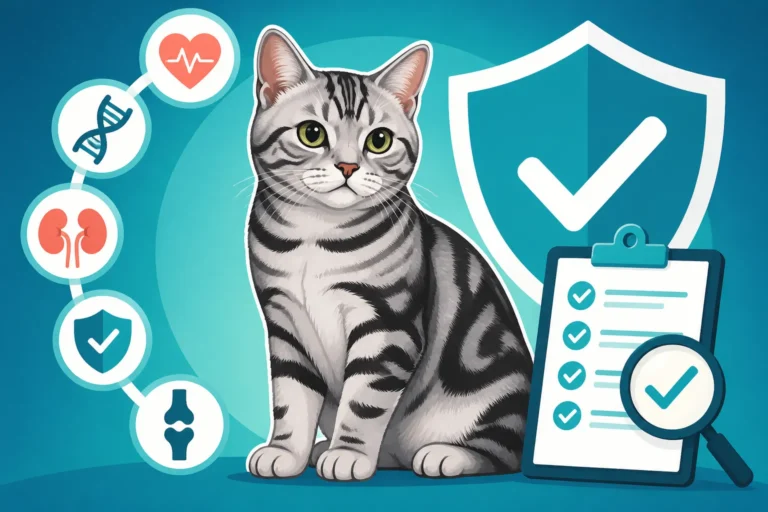
Just like us, cats need regular check-ups, even when they seem perfectly fine. For American Shorthairs, annual veterinary visits are essential for early detection of potential health issues that aren't immediately obvious. During these visits, your vet will perform a thorough physical examination, checking their weight, listening to their heart and lungs, examining their teeth, and palpating their abdomen. These routine checks are crucial for catching subtle changes that could indicate the onset of conditions like dental disease, early-stage kidney disease, or even heart murmurs that could point to HCM. Regular blood tests, especially as your cat ages, can provide a baseline for their organ function and highlight any developing problems long before clinical signs appear. This proactive approach is far more effective and often less costly in the long run than waiting for your cat to show obvious signs of illness. It’s also important to remember How Regularly a Healthy American Shorthair Still Needs Checking.
Vaccinations and Parasite Control
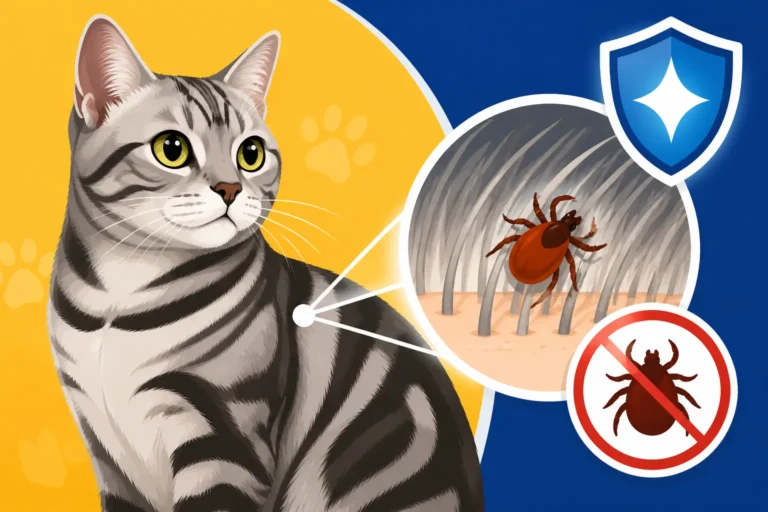
Maintaining an up-to-date vaccination schedule is a non-negotiable part of proactive health care for your American Shorthair. Core vaccines, typically protecting against feline panleukopenia (distemper), feline herpesvirus, and feline calicivirus, are vital for all cats, even indoor-only ones, due to the airborne nature of some pathogens. Depending on your cat's lifestyle, particularly if they have any outdoor access, your vet might also recommend vaccines for feline leukemia virus (FeLV) or rabies. Likewise, consistent parasite control is critical. This includes regular deworming, even for indoor cats who can be exposed through shared litter, shoes, or even fleas. Flea and tick prevention is also crucial, especially if your cat spends any time outdoors. These preventative measures protect your American Shorthair from common, and often serious, infectious diseases and discomfort. Understanding Which Vaccines an Indoor American Shorthair Actually Needs is part of responsible pet ownership.
The Role of Responsible Breeding
While this guide focuses on ownership, it's impossible to discuss breed health without acknowledging the role of responsible breeding. Reputable American Shorthair breeders are deeply committed to the health of their lines. This means they diligently screen their breeding cats for known genetic conditions, especially HCM, through regular echocardiograms performed by certified cardiologists. They provide transparent health records for the parents and often for the kittens themselves, including initial vet checks and vaccinations. A good breeder will also provide health guarantees, offering peace of mind. By supporting breeders who prioritize health, you contribute to the overall well-being of the American Shorthair breed and help ensure that genetic diversity is maintained. Asking Which Health Results an American Shorthair Breeder Must Show is a smart question for any prospective owner. This dedication from breeders, coupled with diligent proactive care from owners, is how we ensure the American Shorthair continues its legacy as a wonderfully robust and healthy companion.
Disclaimer
This article is for general informational purposes only and does not constitute professional advice. Laws, prices and regulations vary by location and change over time. Consult a qualified professional for guidance on your specific situation.