Why an American Shorthair Costs a Vet Less Than a Persian
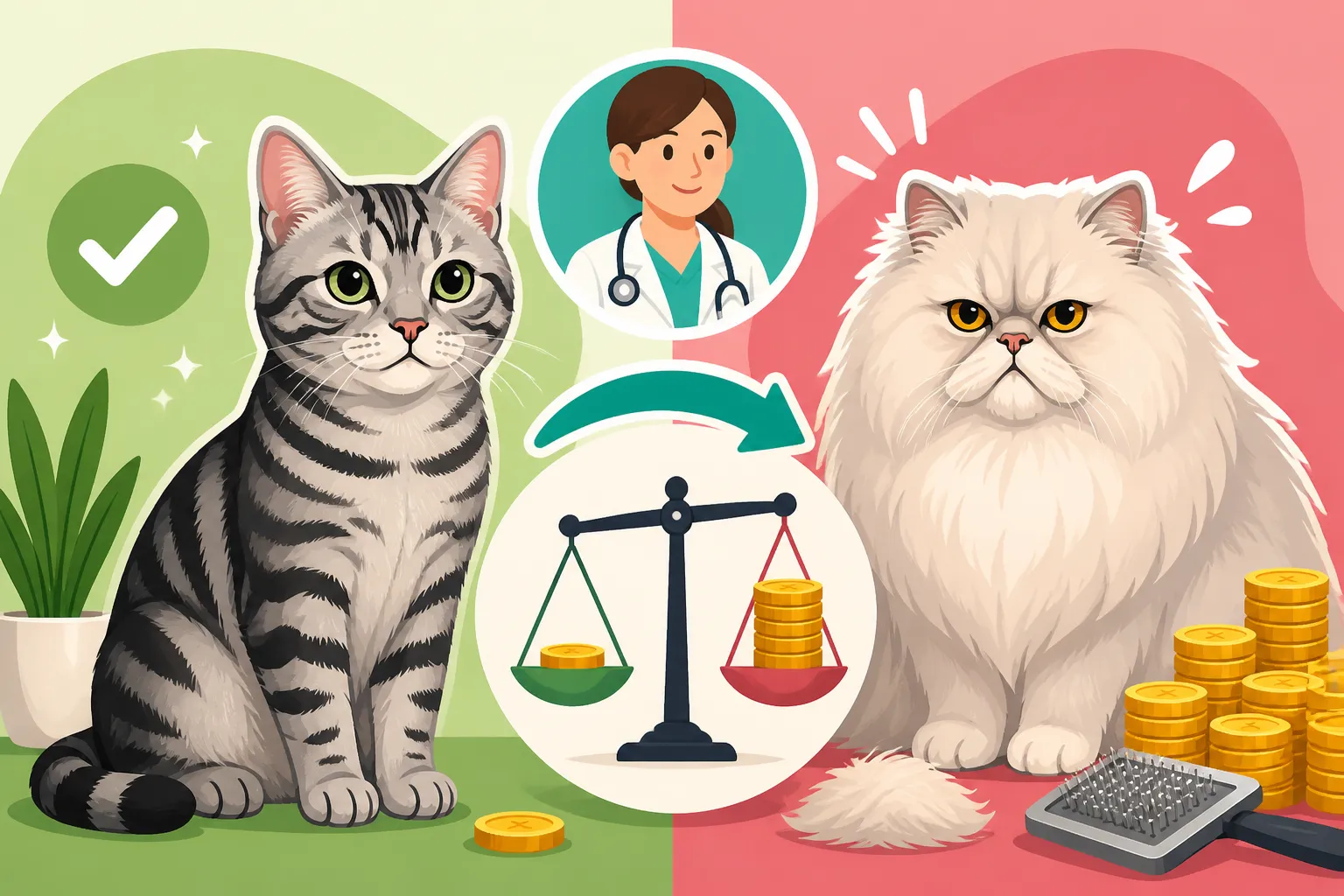
There's a constant worry lurking in the back of every cat owner's mind: the vet bill. It’s no secret that unexpected medical costs can be astronomical, and often, the breed of your beloved feline friend can play a huge role in how frequently those big bills land on your kitchen counter. If you've ever found yourself wondering why your friend with an American Shorthair seems to breathe easier about vet visits than someone with a Persian, you've hit on a fundamental truth. This guide is here to unravel why American Shorthairs, with their incredible resilience and historical robustness, generally cost significantly less at the vet than their often more fragile Persian counterparts.
The Legacy of Natural Selection and Robust Health
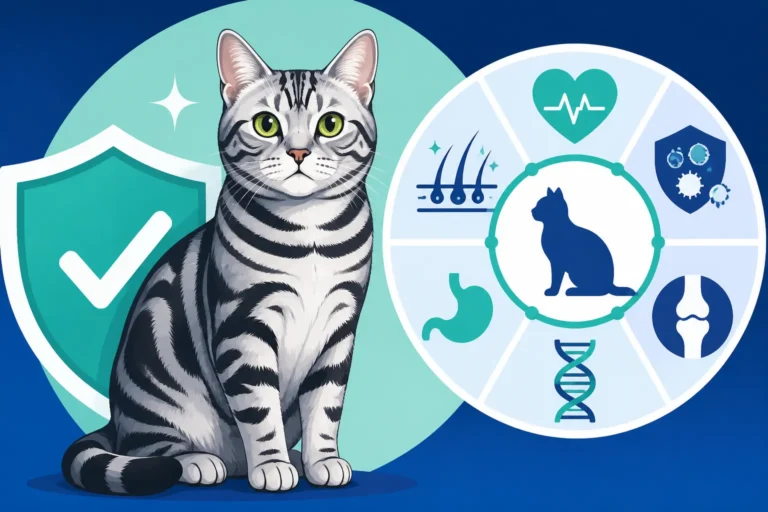
When we talk about the American Shorthair, we're not just discussing a pretty face; we're talking about a living testament to centuries of natural selection. These cats weren't originally bred for looks or exaggerated features, but for their ability to thrive in harsh environments and perform a crucial job. This practical history is etched into their very genetics, leading to a fundamentally healthier animal that often sails through life with fewer medical interventions.
How a Working Past Shaped Their Vigor
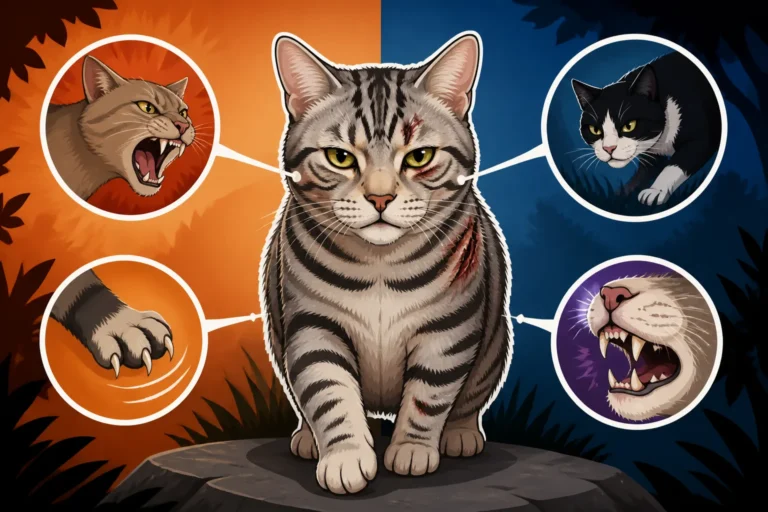
Imagine a cat whose very survival depended on its health, strength, and keen senses. That's the lineage of the American Shorthair. Their ancestors were the indispensable ships' cats, protecting cargo from rodents on long voyages across the Atlantic, and later, the farm cats of early America, keeping barns and homes free of pests. There were no vets on board the Mayflower, nor readily available on remote homesteads. Only the hardiest, most resilient cats survived to pass on their genes. This fierce selection pressure meant that any significant genetic vulnerabilities were naturally weeded out over generations.
They developed strong constitutions, solid bone structures, and efficient internal systems. Their medium build, round face, and well-proportioned features are all indicators of a body designed for function, not fancy. Unlike many modern pedigrees where aesthetic traits, sometimes quite extreme ones, were prioritized, the American Shorthair's conformation is balanced and hardy. This natural, un-exaggerated build means they don't carry the physical burdens that can lead to chronic health issues later in life. This foundational health is a huge reason why you'll find that Why the American Shorthair Is Used as a Health Benchmark. They're literally the blueprint for what a healthy cat should be.
A Broad Gene Pool Minimizes Inherited Troubles
Another critical factor in the American Shorthair's lower vet costs is its expansive gene pool. Unlike many highly specialized breeds that originated from a small number of foundation cats, leading to genetic bottlenecks and increased prevalence of inherited diseases, the American Shorthair's origins are much more diverse. They essentially trace their ancestry back to the diverse "working cats" of Europe and North America.
This broad genetic base means there's a much lower chance of inheriting recessive genetic disorders that can plague more inbred lines. Think of it like a robust family tree with countless branches versus a very narrow one where everyone is closely related. More genetic diversity equals greater resilience against hereditary conditions. While no breed is entirely immune to genetic issues, the sheer breadth of the American Shorthair's genetic heritage offers a significant protective factor. It's a key reason Why Function Left the American Shorthair Fewer Faults – there wasn't a selective pressure for "cute" over "healthy."
Comparing Genetic Predispositions: ASH vs. Persian
This is where the rubber truly meets the road in terms of vet costs. Different breeds come with different genetic blueprints, and these blueprints dictate susceptibility to various health conditions. When you stack the American Shorthair against the Persian, the contrast in their predispositions is stark, directly impacting potential veterinary expenses.
The Persian's Proclivity for Poly-Genetic Issues
Persians, with their iconic flat faces and luxurious long coats, have unfortunately been selectively bred for traits that, while aesthetically appealing to some, have inadvertently introduced a host of health challenges. Their brachycephalic (flat-faced) skull structure, in particular, is a significant source of chronic issues.
Consider their breathing, for instance. That adorable squished nose means constricted nostrils and elongated soft palates, often leading to a condition known as Brachycephalic Airway Syndrome. Cats with this can struggle to breathe, especially in heat or during stress, requiring expensive surgical interventions to open up their airways. Imagine living life constantly gasping for breath – it's not comfortable for them, and the procedures to alleviate it are complex and costly.
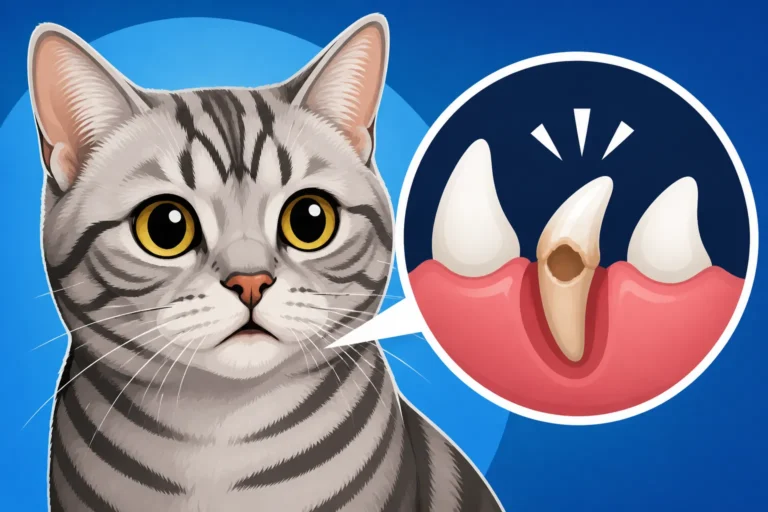
Beyond breathing, the unique facial structure also contributes to severe dental overcrowding and malocclusions. Their teeth simply don't fit properly in their small jaws, leading to food traps, plaque buildup, gum disease, and painful extractions much earlier in life than most cats. Eye issues are also rampant, with tear ducts often blocked or abnormally shaped, leading to constant tear staining and skin irritation that can develop into infections. Polycystic Kidney Disease (PKD) is another well-documented, painful, and costly hereditary disease in Persians, which can lead to kidney failure. These aren't just minor inconveniences; these are often life-long conditions that require ongoing, specialized veterinary care, surgical corrections, and expensive medications, making a Persian owner's vet bills accumulate rapidly.
HCM: The One Shared Concern and Its Management
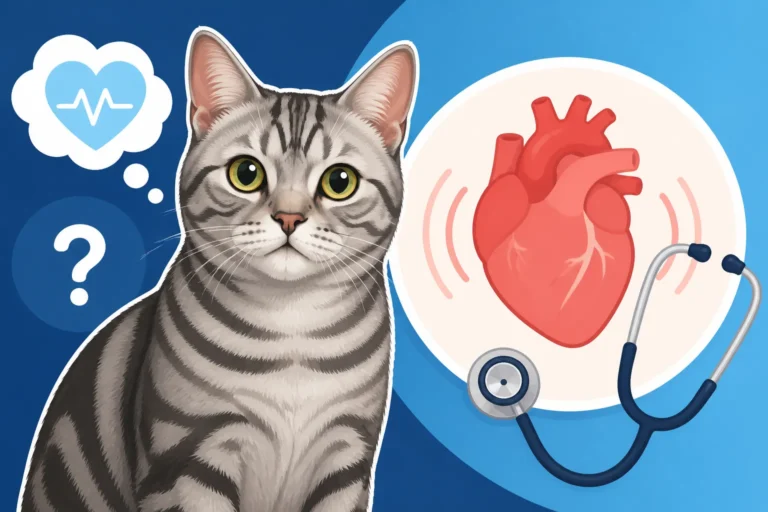
While American Shorthairs are famously healthy, there is one significant inherited disease that they, like many cat breeds (including Persians), can be predisposed to: Hypertrophic Cardiomyopathy (HCM). This condition causes the muscular walls of the heart to thicken, making it harder for the heart to pump blood effectively.
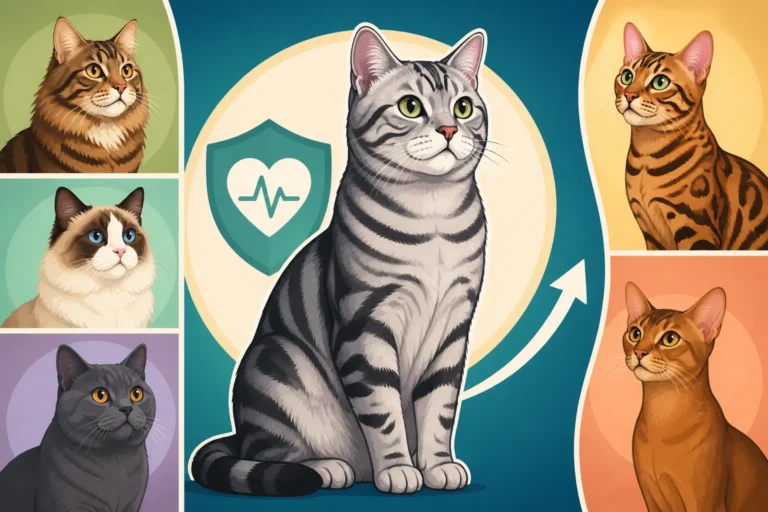
However, the prevalence and severity of HCM in American Shorthairs are generally much lower than in some other breeds. For instance, while some lines of Maine Coons and Ragdolls have high rates of HCM, the American Shorthair's broad gene pool has largely protected it from widespread severe forms. It’s important to note that HCM Is the One Inherited Disease the American Shorthair Kept, but responsible breeders do screen for it.
For both breeds, early detection through echocardiograms (heart scans) is crucial. A Persian with HCM might require aggressive medication regimes sooner and potentially more expensive cardiac specialist visits due to other concurrent health issues exacerbated by heart strain. For an American Shorthair, an HCM diagnosis, while serious, often allows for a more stable, longer-term management plan, which means less urgent and intensive (and therefore less expensive) veterinary interventions in many cases. It's also why Why an American Shorthair Still Needs a Yearly Heart Scan, even with their generally good health. Regular screening helps catch it early, which can save a lot of money and heartache down the line compared to an emergency situation.
Breathing and Dental Challenges Unique to Persians
Let's dive a bit deeper into these breed-specific challenges. For a Persian, that endearing flat face often means a lifetime of potential respiratory distress. They may snore loudly, struggle with exercise, or even experience life-threatening breathing crises, especially in warmer weather. Corrective surgery, known as a stenotic nares resection or soft palate resection, can cost thousands of dollars and may need to be repeated. These surgeries are not just about comfort; they're often about extending their quality of life, or even saving it.
On the dental front, the misalignment of their jaws and teeth creates a perfect storm for painful oral issues. Food gets trapped easily, leading to rapid plaque and tartar buildup, which quickly progresses to gingivitis and periodontitis. This means more frequent, often complex, and deeply invasive dental procedures, including multiple extractions, which are considerably more expensive than routine cleanings. Whereas an American Shorthair might need a dental cleaning every few years, a Persian could need yearly, or even more frequent, interventions starting at a younger age. This is a significant factor in Why an American Shorthair Costs a Vet Less Than a Persian.
Here's a quick comparison of potential common health concerns:
| Health Concern | American Shorthair | Persian | Typical Vet Cost Implications (General) |
|---|---|---|---|
| Brachycephalic Airway Syndrome | Virtually non-existent due to normal facial structure. | Common due to flat face; severe cases require surgery. | Low (ASH) vs. High (Persian – diagnostics, surgery, post-op care potentially thousands of dollars). |
| Dental Disease | Moderate risk, often manageable with good home care and routine cleanings. | High risk due to jaw malformation, overcrowding; frequent cleanings & extractions. | Moderate (ASH – routine cleanings) vs. High (Persian – frequent advanced dentals, multiple extractions). |
| Hypertrophic Cardiomyopathy (HCM) | Low to moderate risk; screening recommended for breeding cats. | Moderate to high risk; requires regular echocardiograms and potential medication. | Moderate (ASH – screening, possible medication) vs. High (Persian – frequent screening, complex medication, specialist care). |
| Polycystic Kidney Disease (PKD) | Extremely rare; not a breed predisposition. | High risk, inherited; requires lifelong management and monitoring. | Negligible (ASH) vs. High (Persian – diagnostics, medication, special diets, potential kidney failure management). |
| Eye Issues | Generally healthy eyes. | Common due to flat face, tear duct blockages, entropion. | Low (ASH) vs. Moderate to High (Persian – medications, potential surgeries). |
| Obesity | Moderate risk with indoor lifestyle, manageable with diet/exercise. | Moderate risk, potentially complicated by breathing issues. | Moderate (ASH – diet management) vs. Moderate to High (Persian – diet, potentially impacting breathing). |
| Hip Dysplasia | Low risk, robust structure. | Low risk, but can occur. | Low (ASH) vs. Low to Moderate (Persian). |
Routine Care: Preventative vs. Corrective Spending
The difference in vet costs isn't always about emergencies; often, it's the accumulated cost of routine care over a cat's lifetime that truly adds up. For American Shorthairs, their inherent hardiness translates into more emphasis on preventative, rather than corrective, spending. This means less money on frequent, intensive treatments, and more on maintaining a healthy baseline.
American Shorthair's Lower Grooming and Dental Needs
Let's talk about that beautiful, low-maintenance American Shorthair coat. It's short, dense, and naturally sheds water, requiring minimal grooming from you. This isn't just about saving time; it saves money. Unlike long-haired breeds like Persians, who often need daily brushing to prevent painful mats, professional grooming sessions, or even sedation for severe mat removal, American Shorthairs generally manage their own grooming beautifully. The one grooming tool an American Shorthair owner buys is usually a simple comb or brush, and that's often more for bonding than necessity. This lack of intensive coat care significantly reduces vet visits for skin issues, hairballs, or sedation for matting.
When it comes to dental care, while all cats can develop dental disease, the American Shorthair's naturally well-formed jaw and properly aligned teeth give them a distinct advantage. They don't have the inherent overcrowding or malocclusions that predispose Persians to rapid and severe dental problems. This often means less frequent professional dental cleanings under anesthesia, fewer extractions, and thus, lower dental bills over their lifespan. Of course, consistent home dental care, like brushing, is always beneficial for any cat, but an American Shorthair's natural anatomy gives them a head start. Sadly, for many breeds, Why an American Shorthair Loses Teeth Nobody Noticed until it's a major problem, but the ASH typically has stronger teeth longer.
Managing Weight in an American Shorthair's Active Lifestyle
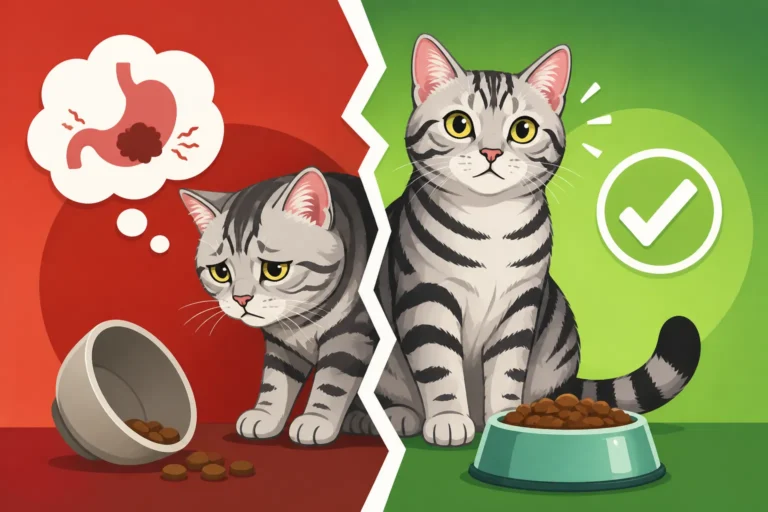
One area where American Shorthairs can become susceptible to health issues, and thus vet costs, is obesity. While they are naturally muscular and active, their transition from a working, outdoor lifestyle to a pampered indoor existence can lead to weight gain if not managed properly. Historically, these cats hunted for their meals, burning calories constantly. Now, with readily available food and a less active indoor life, it's easy for them to pack on the pounds. This is a classic example of Obesity Is What Ending the American Shorthair's Job Cost It.
However, even here, their underlying robustness helps. An active, well-fed American Shorthair typically maintains a healthy weight with less effort than a more sedentary breed. Preventing obesity through portion control, appropriate diet, and regular play sessions is key. If weight gain does occur, their strong bodies are generally more responsive to weight loss plans, which typically involve dietary adjustments and increased activity rather than complex medical interventions. This contrasts with a Persian, where obesity can exacerbate already existing breathing difficulties or put extra strain on their often more fragile joints or heart, leading to more complex and costly weight management plans from the vet. Understanding How Many Months an American Shorthair's Diet Runs can help you plan and commit to healthier habits, avoiding more serious health issues later.
The Reality of Emergency and Specialist Care
Emergencies and the need for specialist care are perhaps the most financially devastating aspects of pet ownership. These unplanned events can quickly rack up thousands of dollars in bills. This is another area where the American Shorthair's inherent health offers a significant advantage, often reducing the likelihood and complexity of such costly interventions compared to breeds with more genetic vulnerabilities.
When American Shorthairs Need Less Urgent Intervention
Because American Shorthairs are less prone to sudden, severe breed-specific crises, they tend to require emergency veterinary care less frequently for internal or structural issues. Their strong respiratory systems mean fewer incidents of breathing distress. Their healthy dental structures mean fewer sudden tooth abscesses or infections requiring immediate intervention. While accidents can happen to any cat, internal maladies that require urgent, specialized attention are statistically less common in American Shorthairs.
When they do face health challenges, they are often the more common, manageable ailments seen in any domestic cat, such as minor injuries, gastrointestinal upsets, or age-related conditions that progress more gradually. This means that intervention, when needed, is often less complex, less invasive, and therefore less expensive. Their general hardiness also translates to a lower anesthetic risk when procedures are necessary, as their vital organs are typically robust. This leads to a smoother recovery and fewer post-operative complications, which again, saves money and stress. This is why you'll often hear that Why an American Shorthair Is a Low Anesthetic Risk.
The High Cost of Persian-Specific Surgeries
In stark contrast, Persians frequently find themselves needing expensive, breed-specific surgical interventions. We've already touched upon the respiratory surgeries for Brachycephalic Airway Syndrome. These aren't just one-off costs; they involve pre-operative diagnostics, the surgery itself (often performed by a specialist surgeon), hospitalization, and extensive post-operative care, which can include pain management, anti-inflammatories, and follow-up visits. The bill for such a procedure can easily run into the high four figures.
Beyond breathing, severe entropion (inward-rolling eyelids) can cause chronic irritation and corneal damage, necessitating corrective eye surgery. Polycystic Kidney Disease (PKD), prevalent in Persians, doesn't have a cure and can lead to a lifetime of managing chronic kidney disease with expensive specialized diets, medications, fluid therapy, and frequent blood tests. These ongoing costs for specific, genetically linked conditions truly differentiate the financial burden of owning a Persian versus an American Shorthair. While both breeds can get sick, the types of illnesses and the intensity of their treatment often vary dramatically, making the Persian's care path significantly more expensive.
Insurance Implications and Long-Term Financial Outlook
Understanding the financial implications of owning a cat often involves looking at more than just individual vet visits. It means considering the cost of pet insurance and the cumulative expenses over their entire lifespan. Here, too, the American Shorthair shines as a more economical choice, offering peace of mind without breaking the bank.
Lower Premiums Reflect Lower Risk
Pet insurance companies are smart. They base their premiums on risk assessment – how likely is a particular breed to incur expensive vet bills? Because American Shorthairs are known for their robust health and fewer breed-specific genetic disorders, they are often considered a low-risk breed. This translates directly into lower insurance premiums compared to breeds like Persians, who come with a known predisposition to multiple, costly conditions.
Imagine signing up for a policy with Healthy Paws. If you have an American Shorthair, your monthly premium might be significantly lower than if you had a Persian, even for comparable coverage. This isn't just a minor difference; over the lifetime of your cat, these savings can add up to hundreds, if not thousands, of dollars. It's an immediate, tangible benefit of choosing a healthier breed. When an insurer looks at the actuarial tables, they see fewer claims for major surgeries, fewer ongoing chronic conditions, and a generally longer, healthier life for the American Shorthair. This is why you might find Whether Insurers Price the American Shorthair Low, providing a nice financial cushion.
The Predictable Lifespan and Associated Costs
American Shorthairs are renowned for their longevity, often living into their mid-to-late teens, and some even reaching twenty years or more. This is an incredible gift of companionship, but it also means planning for the costs associated with an aging pet. However, even in their senior years, their foundational health often means age-related issues are less severe and more manageable compared to breeds already burdened with chronic conditions. For a comprehensive look at their lifespan, check out The Fifteen to Twenty Years the American Shorthair Was Given.
While any senior cat will eventually need more veterinary attention for things like arthritis, dental care, or kidney function, an American Shorthair typically isn't battling these on top of, say, severe breathing difficulties or untreatable kidney cysts. This means that while senior care will always be an investment, the scale of that investment for an American Shorthair tends to be more predictable and often less intensive. The absence of complex breed-specific ailments means fewer unexpected emergency visits in their golden years and a more gradual progression of age-related changes, allowing for more planned and less financially disruptive care. This is a critical factor in understanding How Much Less an American Shorthair Owner Spends at the Vet over a cat's entire lifetime. With a plan like Healthy Paws, even those predictable senior costs can be more manageable.
Practical Advice for American Shorthair Owners
Even though American Shorthairs are generally very healthy, it doesn't mean you can completely ignore their needs. Proactive care and attention to subtle changes can prevent minor issues from becoming major, costly problems. Being a responsible American Shorthair owner means understanding their general robustness while still providing diligent, attentive care.
Prioritizing Routine Vet Visits
Never underestimate the power of a good annual vet check-up. Even for a cat as seemingly bulletproof as an American Shorthair, these routine visits are invaluable. They allow your veterinarian to establish a baseline of health, catch subtle changes early, and recommend preventative care like vaccinations, parasite control, and dental assessments.
During these visits, your vet can assess their weight, listen to their heart, check their teeth and gums, and feel for any unusual lumps or bumps. Catching something like early-stage dental disease before it becomes severe can save you hundreds of dollars in extractions down the line. Similarly, monitoring their weight can prevent the onset of obesity-related issues like diabetes or joint problems. These proactive measures are often much less expensive than dealing with a full-blown illness that could have been prevented or mitigated. A regular schedule ensures that even if you choose a comprehensive insurance plan like Healthy Paws, you're using it for unexpected issues, not for problems that could have been avoided with routine care.
Understanding Common Age-Related Changes
As American Shorthairs live long, fulfilling lives, they will, like all creatures, experience age-related changes. Knowing what to look for can help you address issues promptly and maintain their quality of life, often without incurring exorbitant specialist fees. For more on this, consider reading Caring for an American Shorthair Past Twelve.
Common signs of aging might include a gradual slowing down, which could indicate arthritis. A subtle limp or reluctance to jump to favorite spots should always be investigated, as Why an Old American Shorthair Slows Before It Limps. Changes in appetite or water consumption could signal kidney issues or hyperthyroidism, common in older cats. Even changes in grooming habits, like difficulty reaching certain spots, can be a sign of discomfort. Regularly checking your cat's weight, observing their litter box habits, and noting any shifts in behavior can provide early warning signs. By working with your regular vet, these age-related conditions can often be managed effectively with diet, medication, or supplements, keeping your beloved American Shorthair comfortable and happy for many more years without necessarily needing highly specialized and expensive treatments that more fragile breeds often require.
Beyond the Dollar: The Value of a Healthy Companion
While discussing vet costs often focuses on the financial aspect, it's crucial to remember that the true value of a healthy pet extends far beyond monetary savings. A healthy American Shorthair offers peace of mind, a higher quality of life for the cat itself, and ultimately, a more joyful companionship for you.
Peace of Mind and Quality of Life
Imagine the stress of constantly worrying about your pet's next health crisis. For owners of breeds prone to severe genetic conditions, this can be a daily reality. The anxiety of a cat struggling to breathe, the fear of another emergency room visit, or the heartbreak of watching a young cat suffer from chronic pain is emotionally draining and takes a significant toll.
With an American Shorthair, you're investing in a cat bred for resilience and vitality. This inherent health translates into significant peace of mind. You can enjoy their playful antics, their quiet companionship, and their robust presence without the constant shadow of impending medical disaster. This isn't just about saving money; it's about saving yourself emotional distress. For the cat, it means a life largely free from chronic discomfort, invasive procedures, and the stress of frequent vet visits. They get to simply be a cat – patrolling their territory, napping in sunbeams, and enjoying their food – rather than a patient frequently subjected to medical interventions. This superior quality of life for your feline friend is truly priceless.
The True Cost of Breed-Specific Health Problems
It's easy to look at the initial purchase price of a cat, but the true cost of pet ownership often lies in the veterinary bills over their lifetime. For breeds with numerous, severe breed-specific health problems, the cumulative financial burden can be staggering. We're talking about repeated surgeries, lifelong medication regimes, specialized diets, frequent diagnostics, and potentially palliative care for conditions that have no cure. These costs can easily dwarf the initial price of the cat and become a source of immense financial strain for families.
Furthermore, the "cost" isn't just monetary. There's the emotional cost of witnessing your beloved pet suffer, the time commitment involved in administering medications or facilitating specialized care, and the painful decisions that sometimes have to be made when treatment options become too burdensome or ineffective. Choosing a breed like the American Shorthair, which has been carefully preserved for its natural health, is a conscious decision to minimize these often heartbreaking and budget-breaking scenarios. It allows owners to focus on enjoying their cat, rather than constantly managing their ailments, fostering a deeper, less stressful bond.
Disclaimer
Please remember that while American Shorthairs are generally a healthy breed, individual cats can still develop health issues, just like any living creature. This information is intended for educational purposes and should not replace professional veterinary advice. Always consult with a qualified veterinarian for any health concerns regarding your specific pet.