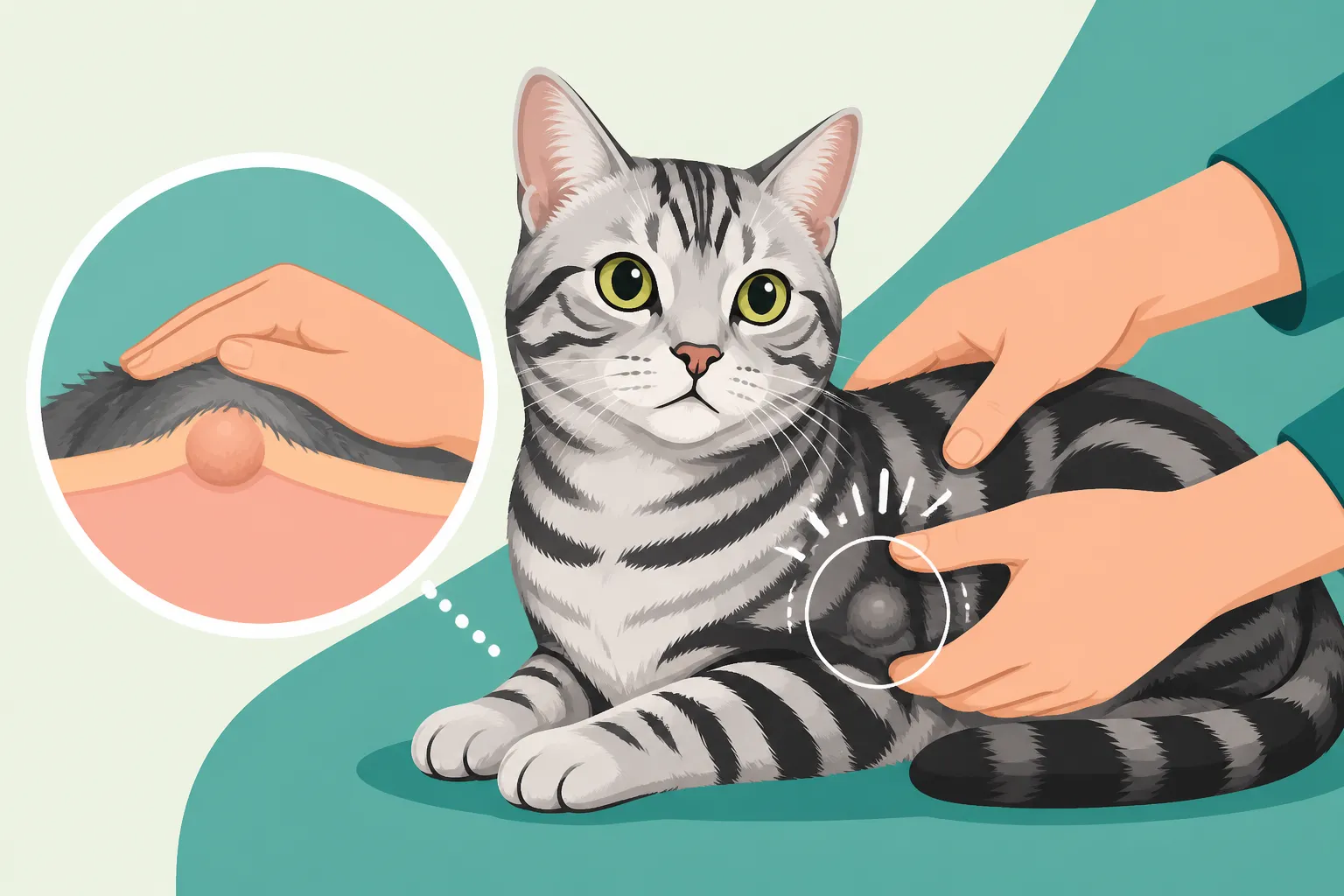
How to Check an American Shorthair for Lumps
Finding an unexpected lump on your American Shorthair can send a chill down your spine, instantly triggering a cascade of worry about their health and future. It’s a common, frightening discovery that leaves many cat parents feeling helpless and unsure of what steps to take next. This comprehensive guide is designed to empower you with the knowledge and practical steps to regularly check your beloved American Shorthair for lumps, understand what to do if you find one, and approach the situation with confidence and care.
Getting to Know Your American Shorthair's Unique Anatomy
Before you can effectively check for anything abnormal, it's absolutely essential to get intimately familiar with what's normal for your own American Shorthair. These wonderful cats are known for their sturdy, muscular build, which means they have a firm, athletic frame underneath that beautiful, low-maintenance coat. What might feel like a strange lump to an unfamiliar touch could simply be a normal bone prominence, a muscle group, or even a fatty pad specific to their body type. Don't let initial panic overwhelm you; instead, use this opportunity to bond with your cat and learn every contour.
Understanding Their Muscular and Bony Structure
American Shorthairs are natural athletes, descendants of working cats that needed strength and agility. This heritage means they often possess a broad chest, powerful shoulders, and substantial leg musculature. When you run your hands over their body, you'll feel these strong muscle groups, especially around their shoulders, hips, and along their spine. Sometimes, a very firm muscle knot or even the edge of a scapula or pelvis can feel surprisingly prominent, particularly on leaner cats. It's not uncommon for an inexperienced owner to mistake a hip bone or a sternum for something concerning, simply because they haven't learned the natural topography of their cat's body yet. Take your time, feel the symmetrical nature of their bones and muscles on both sides, and commit that sensation to memory.
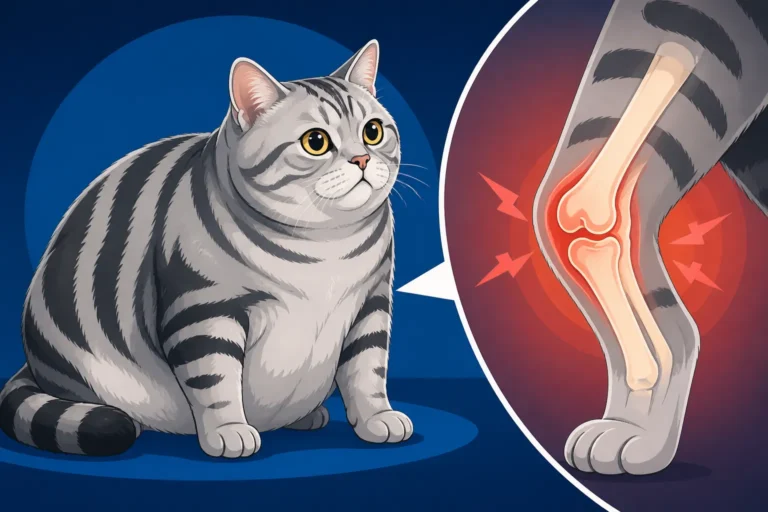
Their strong, square build also means they carry their weight differently than some other breeds. While we've discussed how easily an American Shorthair can gain weight if their activity levels drop and diet isn't managed (you can learn more about this in articles like Why Indoor Life Made the American Shorthair Fat and How to Spot Weight Gain on a Square Built American Shorthair), sometimes these fat pads can also be mistaken for lumps. These are usually softer, more movable, and typically found in areas like the lower abdomen or flanks. The key is to distinguish between a diffuse area of soft tissue or fat and a distinct, firm, or unusual growth. The more you pet and interact with your American Shorthair, the more intuitive this difference will become.
Identifying Normal Lymph Nodes and Glands
Cats, just like us, have lymph nodes and glands throughout their bodies that are crucial for their immune system. While most of these are very small and not easily palpable when healthy, there are a few key areas where you might be able to feel normal, healthy lymph nodes, especially if your cat is lean. These include beneath the jaw (submandibular), in front of the shoulders (prescapular), and behind the knees (popliteal). When healthy, these nodes should feel like small, soft, movable beans – no bigger than a pea or a small grape, depending on the cat's size and location.
It’s important to familiarize yourself with these spots. If you feel a lymph node that is significantly enlarged, hard, fixed, or painful, that’s a definite red flag that warrants a vet visit. However, knowing what a normal, healthy lymph node feels like means you won't panic over every tiny bump. Similarly, female American Shorthairs, whether spayed or not, have mammary glands along their abdomen. These can sometimes feel like small, soft bumps, especially in unspayed queens or those who have had litters. Learning the location of these normal anatomical features is crucial for accurate lump detection.
The Hands-On Guide to Checking Your American Shorthair for Lumps
Regular at-home checks are one of the most powerful tools you have in ensuring your American Shorthair lives a long, healthy life. These checks don't have to be a stressful ordeal; they can be integrated into your daily petting and cuddle sessions. The goal is early detection, as many issues, especially cancerous ones, have better prognoses when caught early. Think of it as a proactive measure, a little health detective work disguised as affection.
Establishing a Routine and a Calm Environment
The first step to a successful lump check is to create a calm, positive experience for both you and your American Shorthair. Cats are creatures of habit, and they thrive on routine. Choose a quiet time of day when your cat is relaxed – perhaps when they're dozing on your lap, or after a meal when they're content. Avoid times when they're hyper or stressed. A consistent routine makes the examination less alarming and more predictable for them. For a breed known for its quiet, self-sufficient nature, like the American Shorthair (as explored in An American Shorthair Asks You for Almost Nothing), they might not actively resist but could simply walk away if they're not comfortable.
Start with gentle strokes, offering praise and maybe a few treats. This isn't just about finding lumps; it's about strengthening your bond. If your American Shorthair is particularly stoic or sensitive to touch in certain areas (which you might uncover by reading Why a Stoic American Shorthair Hides Pain the Longest), introduce these areas slowly and with extra reassurance. You want them to associate these checks with positive attention, not discomfort or fear. Remember, this isn't a race; it's a thorough inspection.
A Head-to-Tail Palpation Technique
A systematic approach ensures you don't miss any spots. Imagine dividing your cat's body into sections and meticulously checking each one. Use the pads of your fingertips, applying gentle but firm pressure, moving in small circular motions. You're looking for anything that feels out of place: hard, soft, movable, fixed, painful, or unusually warm.
- Head and Neck: Start by gently running your hands over their head, checking the skull for any bumps. Move to their cheeks, under their chin, and along their jawline, feeling for those submandibular lymph nodes. Gently check their ears – inside and out – for any growths or discharge. Glide your fingers down their neck, feeling around the throat and the base of the skull.
- Front Legs and Chest: Move to their shoulders, checking those prescapular lymph nodes just in front of the shoulder blade. Run your hands down their front legs, feeling each muscle group and bone structure. Check their paws and between their toes for any masses or abnormalities. Then, focus on their broad chest, feeling along the ribs and sternum.
- Abdomen and Sides: This area requires a soft touch. Gently palpate their sides and belly. For females, remember to feel along the mammary chains – two rows of nipples running down their underside – for any unusual lumps. The abdomen can be soft and squishy, and you're looking for anything distinct that doesn't feel like typical fat or organs. If your cat tends to put on weight easily (a common issue discussed in How Few Calories an Indoor American Shorthair Burns), distinguish between generalized softness and a distinct mass.
- Back and Spine: Run your hands firmly along their spine from neck to tail, checking for any unusual bumps or tenderness. Feel along their flanks and sides of their back.
- Hind Legs and Tail: Move down their hind legs, checking for those popliteal lymph nodes behind the knees. Feel the muscles and bones, all the way down to their paws and between their toes. Finally, gently run your hand down their tail, checking for any bumps or changes in texture.
- Underneath and Perineal Area: Don't forget to check the perineal area around the anus and genitals. While less common, masses can develop here. This might require gently lifting their tail.
Make sure to check both sides of your cat's body and compare what you feel. Symmetry is often a good indicator of normalcy. If something feels different on one side compared to the other, it warrants closer inspection.
What You Might Feel and What It Means
During your check, you might encounter a variety of textures. Some lumps are quite distinct and firm, others might feel soft and fluid-filled, while some are irregular.
- Soft, Movable Lumps: These can often be fatty tumors (lipomas), cysts, or abscesses. Lipomas are usually benign and feel like soft, squishy balls that move freely under the skin. Cysts are fluid-filled sacs that can feel soft or firm. Abscesses, typically from a wound or infection, can be soft and warm to the touch, sometimes painful. An abscess can form quite quickly after an American Shorthair's cat fight, for example.
- Firm, Fixed Lumps: These are generally more concerning. A lump that feels hard and is firmly attached to underlying tissue, not moving freely, could be indicative of a more serious issue, including certain types of tumors.
- Irregular or Ulcerated Lumps: Any lump with an irregular shape, ulcerated skin over it, or that is bleeding, oozing, or causing visible discomfort, needs immediate veterinary attention.
It's absolutely crucial to remember that you are not a veterinarian, and your job is not to diagnose. Your job is to detect and report. Even the most experienced cat owner cannot tell for certain if a lump is benign or malignant just by feeling it. That requires a professional medical diagnosis.
What to Do If You Find a Lump on Your American Shorthair
Discovering a lump is naturally distressing, but it’s important to stay calm and take immediate, decisive action. Panic helps no one, least of all your cat. Your next steps are critical for getting your American Shorthair the care they need.
Gathering Information and Contacting Your Vet
When you find a lump, take a deep breath. Your first priority is to gather as much information as possible before contacting your veterinarian. This information will be invaluable to them and can help them prioritize and prepare for your visit.
- Location: Pinpoint the exact location of the lump. Is it on their back, leg, abdomen, or neck? Be as specific as possible.
- Size: Measure the lump. Use a ruler or tape measure if you can. Note its approximate diameter or length/width.
- Texture and Consistency: Is it hard or soft? Firm or squishy? Does it feel like it has fluid inside?
- Movability: Can you move it freely under the skin, or does it feel fixed to the underlying tissue?
- Appearance of Skin: Is the skin over the lump normal, red, inflamed, ulcerated, or losing hair?
- Pain/Discomfort: Does your cat react when you touch the lump? Do they flinch, hiss, or try to move away? Remember that a stoic American Shorthair might hide pain the longest.
- Date Found: Note down the date you first noticed the lump.
- Changes: Has it changed in size, shape, or consistency since you first noticed it? How quickly has it grown, if at all?
Once you have this information, call your veterinarian. Explain what you've found and provide all the details. They will advise you on the urgency of the visit. Don't delay; even if it turns out to be nothing serious, peace of mind is invaluable, and early detection is always best. When you call, ensure you also ask about potential costs for diagnostics, and it's always wise to check your pet insurance policy from companies like Healthy Paws to understand what's covered.
The Veterinary Examination and Diagnostic Tests
When you bring your American Shorthair to the vet, they will conduct a thorough physical examination, paying close attention to the lump you've identified. They will palpate it, just as you did, to assess its characteristics. Based on their initial findings, your vet will recommend diagnostic tests.
Common diagnostic procedures include:
- Fine Needle Aspirate (FNA): This is often the first step. A small, sterile needle is inserted into the lump, and a few cells are drawn out. These cells are then placed on a slide and examined under a microscope by a veterinarian or a veterinary pathologist. An FNA is minimally invasive and can often be done during your initial visit, sometimes even without sedation for a calm American Shorthair. It can help differentiate between common benign lumps like lipomas or cysts and more concerning cellular changes.
- Biopsy: If the FNA is inconclusive or if the vet suspects a more serious issue, a biopsy might be recommended. This involves surgically removing a larger piece of the lump, or sometimes the entire lump, for more comprehensive pathological examination. A biopsy provides a definitive diagnosis, as it allows the pathologist to examine the tissue architecture, not just individual cells.
- Imaging: X-rays, ultrasound, or even advanced imaging like CT scans might be used, especially if the lump is deep within the body or if the vet wants to assess its relationship to surrounding structures or check for spread. For example, an ultrasound can clearly distinguish between a solid mass and a fluid-filled cyst.
These tests are crucial for an accurate diagnosis, which then guides the appropriate treatment plan. Remember, a lump is just a symptom; the diagnosis tells you what you're dealing with.
| Lump Characteristic | Possible Indication | What to Look For |
|---|---|---|
| Soft & Movable | Benign (e.g., Lipoma, Cyst, Abscess) | Moves freely under skin, often squishy, non-painful (unless abscessed). |
| Firm & Fixed | Potentially Malignant (e.g., Tumor) | Attached to underlying tissue, doesn't move easily, can be irregular. |
| Rapid Growth | Potentially Malignant or Aggressive Abscess | Noticeable increase in size over days/weeks. |
| Painful/Warm | Inflammation, Infection (e.g., Abscess) | Cat flinches, licks the area, area feels hot to touch. |
| Ulcerated Skin | Infection, Malignancy, Trauma | Skin over lump is broken, red, oozing, or bleeding. |
| Symmetry | Normal Anatomy | Typically, normal structures (like lymph nodes) are mirrored on both sides. |
Common Types of Lumps and Bumps in American Shorthairs
While only a veterinarian can give you a definitive diagnosis, understanding some of the common types of lumps found in cats can help you navigate the conversation with your vet. It's important to reiterate that simply identifying a lump does not mean it is cancerous. Many lumps are benign and easily treatable.
Benign Lumps: More Common Than You Think
Many lumps and bumps found on cats are completely harmless, and knowing this can alleviate some of the initial stress.
- Lipomas: These are benign fatty tumors. They feel soft and somewhat squishy, often moving freely under the skin. They're generally harmless and rarely require removal unless they grow so large that they interfere with movement or quality of life. They tend to be more common in older, overweight cats.
- Cysts: Cysts are sacs filled with fluid, semi-solid material, or air. They can develop from blocked glands or hair follicles. Their texture can vary from soft to firm, depending on their contents. Most cysts are benign, but some may need draining or removal if they become infected or bothersome.
- Abscesses: These are pockets of pus that form under the skin, usually as a result of a bacterial infection. In American Shorthairs, abscesses are quite common, especially if they are outdoor cats prone to fights (as detailed in Which Injuries an Outdoor American Shorthair Comes Home With). They tend to appear quickly, feel warm, soft, or firm, and are often painful. They often require veterinary intervention for drainage and antibiotics.
- Granulomas: These are masses of immune cells that form at sites of chronic inflammation or infection. They can be firm and may develop due to foreign bodies, fungal infections, or certain immune reactions.
- Warts (Papillomas): Less common in cats than in dogs, but sometimes small, cauliflower-like growths can appear on the skin. They are usually benign.
These benign conditions often mimic the appearance or feel of more serious lumps, which is why a vet's evaluation is always necessary. Don't try to "wait and see" if it's an abscess; swift treatment can prevent worsening infection.
When Lumps are a Cause for More Concern
While benign lumps are frequent, some lumps do indicate more serious conditions, including cancer. Early detection, as emphasized in articles like Whether Cancer Is Any More Common in an American Shorthair, significantly improves outcomes.
- Mast Cell Tumors: These can be tricky because they can vary widely in appearance. They can be small and firm, or larger and softer, sometimes appearing inflamed. They can be aggressive, so prompt diagnosis via FNA or biopsy is crucial.
- Squamous Cell Carcinoma (SCC): This type of cancer is often associated with sun exposure, especially on unpigmented areas like the nose, eyelids, and ear tips. It can appear as a non-healing sore, crusty lesion, or a firm mass. While not as common on the body of a shorthaired cat, it can appear anywhere.
- Fibrosarcomas: These are aggressive soft tissue tumors that can feel firm and fixed to underlying tissues. Historically, there was a concern about injection site sarcomas (ISS) in cats (Why Injection Site Sarcoma Worries an American Shorthair Owner), though advancements in vaccine protocols and administration sites have reduced this risk. However, any firm, growing lump at a previous injection site warrants immediate vet attention.
- Lymphoma: This is a cancer of the lymphatic system. While often internal (affecting organs like the intestines or spleen), it can also manifest as enlarged peripheral lymph nodes or masses under the skin. An enlarged, firm, non-painful lymph node should always be investigated.
- Mammary Gland Tumors: More common in unspayed female cats, these lumps occur along the mammary chain. They can be benign or malignant, but a significant percentage of mammary tumors in cats are malignant, making early detection and removal vital.
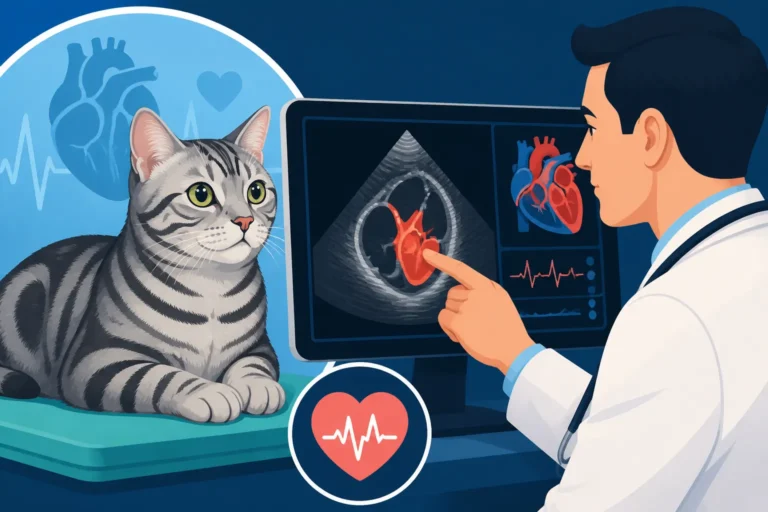
Regardless of what you think a lump might be, remember that only a professional diagnosis can confirm its nature. Regular checks, like the ones you perform on your American Shorthair, are their best defense. A yearly vet check, as discussed in Why an American Shorthair Still Needs a Yearly Heart Scan, is not just about vaccinations; it's another opportunity for a professional to thoroughly palpate your cat and catch things you might miss.
Disclaimer
The information provided in this article is for general informational purposes only and is not a substitute for professional veterinary advice, diagnosis, or treatment. Always seek the advice of your veterinarian or other qualified animal health provider with any questions you may have regarding a medical condition or the health and welfare of your pet. Never disregard professional veterinary advice or delay in seeking it because of something you have read in this article.