How Much Water Keeps an American Shorthair’s Bladder Clear
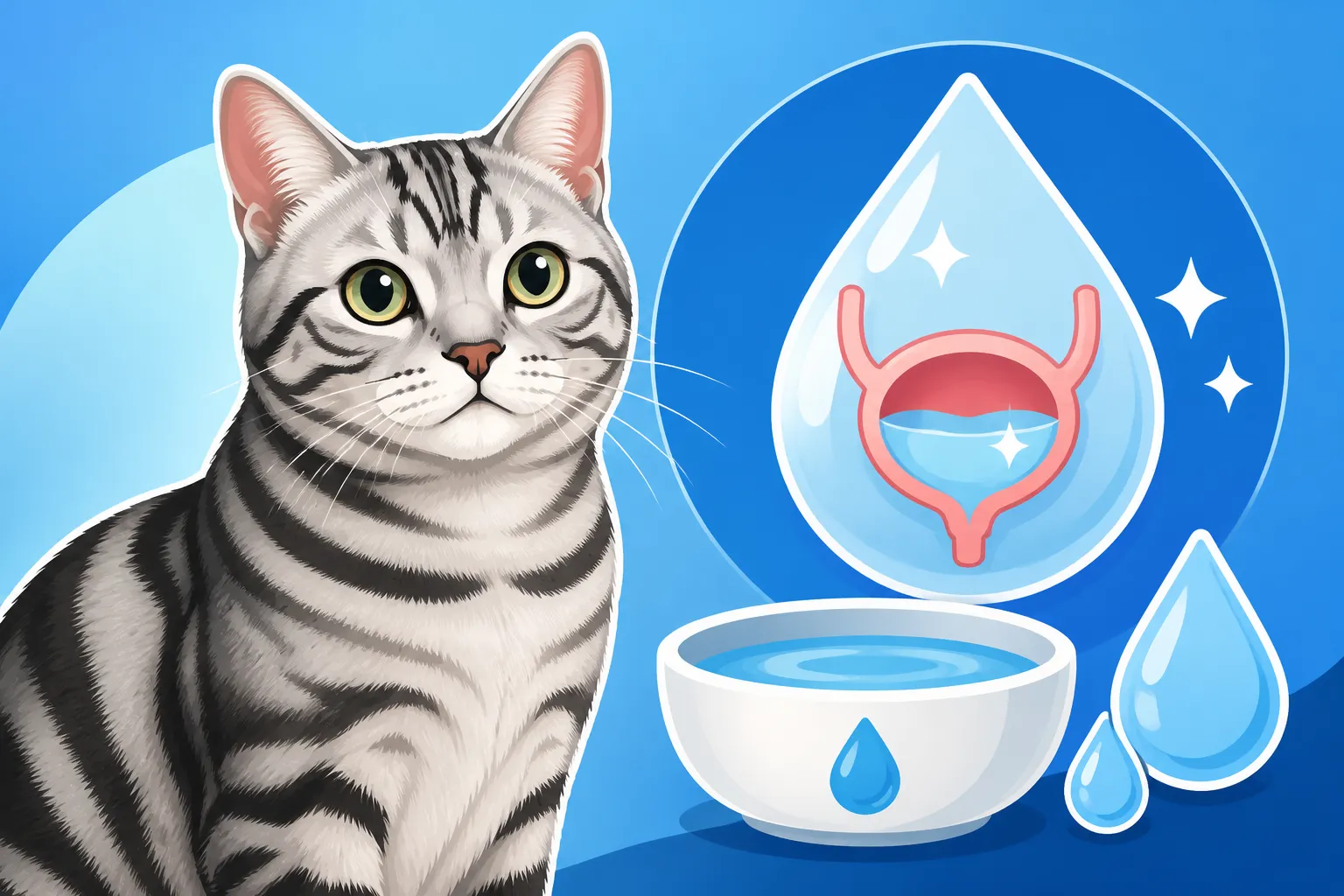
One of the most common worries for any cat parent, especially those with male American Shorthairs, is the dreaded urinary tract issue. The panic that sets in when you see your beloved feline straining in the litter box, or worse, opting for the cool tile floor instead, is truly awful. The good news is, a surprising amount of these problems can be mitigated, if not prevented entirely, by something as simple and fundamental as proper hydration. This guide will dive deep into how much water truly keeps an American Shorthair's bladder clear and what you can do to encourage healthy drinking habits.
Understanding Your American Shorthair's Unique Hydration Needs
It's easy to assume all cats are the same when it comes to drinking, but our American Shorthairs, with their heritage as robust working cats, have some specific considerations. Their bodies were historically adapted to thrive on diets that provided a significant amount of moisture, very different from the dry kibble many are fed today.
The Ancestral Diet and Modern Hydration Challenges
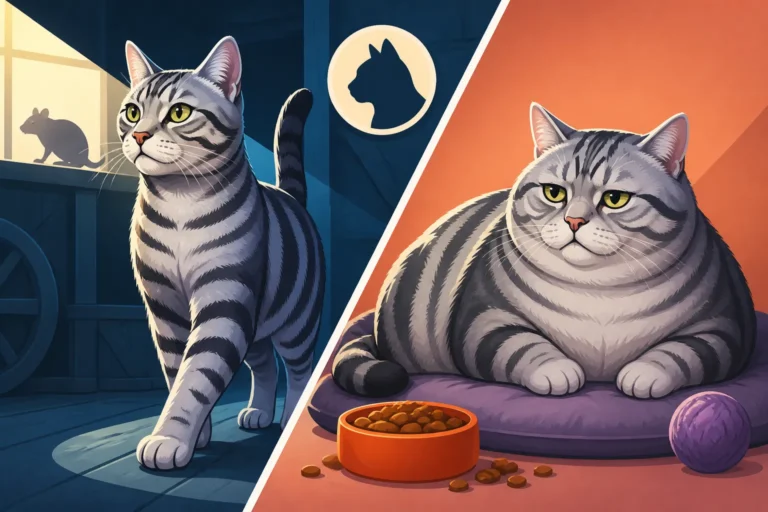
Think about it: for centuries, before they were our cherished house pets and show champions, American Shorthairs were expert mousers and barn cats. Their diet consisted almost entirely of fresh prey—small rodents, birds, and insects. This natural diet, often referred to as a "prey model diet," is incredibly high in moisture, typically around 70-75% water content. This meant that their ancestors rarely needed to seek out a separate water source, as their meals provided almost all the hydration their bodies required.
Fast forward to today, and many of our wonderful American Shorthairs are primarily fed dry kibble. While convenient and often nutritionally complete in other aspects, kibble typically contains only about 5-10% moisture. This drastic difference places a huge burden on your cat's kidneys and bladder, requiring them to drink significantly more water than their ancestral instincts prepared them for. It's a fundamental shift that many owners don't fully realize, leading to a quiet, insidious state of chronic low-level dehydration that can pave the way for serious urinary problems down the line. We, as their caretakers, have to bridge that gap.
General Guidelines Versus Individual Needs
When it comes to water intake, there's no universal magic number that fits every American Shorthair. While general guidelines exist, factors like your cat's size, age, activity level, climate, and especially their diet play a huge role in determining their specific needs. A good rule of thumb often cited by veterinarians is that cats should consume about 2-4 ounces of water per 5 pounds of body weight per day. For a healthy American Shorthair, who can weigh anywhere from 8 to 15 pounds or more, this means they could need between 3 to 12 ounces of water daily.
However, a cat eating an all-wet-food diet will naturally drink less from their bowl because their food is already supplying a large portion of that daily moisture. Conversely, a cat on an all-kibble diet will need to drink substantially more to compensate. An active, playful American Shorthair in a warm climate will also naturally require more water than a more sedentary, older cat living in a cooler environment. Monitoring your individual cat's habits, energy levels, and even the appearance of their urine can give you better insight than any broad guideline. For older cats, understanding how to adjust their care is crucial, as highlighted in "Caring for an American Shorthair Past Twelve", including keeping an eye on their hydration as they age.
Why Water is a Bladder's Best Friend for American Shorthairs
Adequate water intake is absolutely foundational for maintaining a healthy urinary system in your American Shorthair. It's not just about quenching thirst; it's about actively protecting their bladder and kidneys from potential health issues that can be incredibly painful and costly to treat.
Flushing Out Toxins and Crystals
One of water's most vital roles is to keep your cat's urine diluted. When urine is concentrated, the minerals within it—like magnesium, phosphorus, and calcium—become more likely to precipitate out of solution and form microscopic crystals. Over time, these crystals can aggregate and grow into bladder stones, which can cause irritation, inflammation, and even blockages. This is a particularly serious concern for male cats, as discussed in "Why a Male American Shorthair's Urethra Blocks First," due to their narrower urethras.
Sufficient water intake ensures a steady flow of dilute urine, effectively flushing these tiny crystals and other waste products out of the bladder before they have a chance to clump together. It’s like a continuous internal rinse cycle for their urinary tract. Without this regular flushing, the risk of developing struvite or calcium oxalate stones, which are common in cats and detailed in "Which Bladder Stones an American Shorthair Forms," increases dramatically. Prevention through hydration is always better than the difficult and often invasive treatment of established stones.
Preventing Urinary Tract Infections
Beyond crystals and stones, diluted urine also plays a significant role in preventing bacterial infections, commonly known as Urinary Tract Infections (UTIs). Bacteria thrive in concentrated, stagnant urine, which provides an ideal breeding ground. When your American Shorthair is well-hydrated, they urinate more frequently. This increased frequency helps to flush out any bacteria that might be attempting to colonize the bladder or urethra.
Imagine a clean river versus a stagnant pond: the river, with its constant flow, remains clear and healthy, while the pond can become a breeding ground for unwanted organisms. The same principle applies to your cat's bladder. Frequent urination physically removes bacteria, making it much harder for an infection to take hold and cause discomfort or illness. While "Why a Female American Shorthair Faces Fewer Urinary Risks" mentions that females generally have a lower risk due to anatomical differences, proper hydration benefits all cats, reducing the likelihood of any feline succumbing to these painful conditions. Even a placid American Shorthair can experience stress cystitis, where frequent urination can still offer some relief by diluting irritants.
Practical Ways to Encourage Your American Shorthair to Drink More
Knowing why water is important is one thing; actually getting your American Shorthair to drink enough is another. Cats can be notoriously picky, and their wild instincts often tell them to avoid standing water, which in nature could be contaminated. Thankfully, there are many strategies you can employ to make hydration more appealing.
The Right Water Bowl Matters
This might sound simple, but the type, material, and placement of your cat's water bowl can make a huge difference. Many cats dislike bowls that are too deep or too narrow, as it can cause their sensitive whiskers to touch the sides, a phenomenon known as "whisker fatigue." For a square-built American Shorthair, which typically has a broader face, a wide, shallow bowl is often preferred.
- Material: Plastic bowls can sometimes retain odors or develop tiny scratches where bacteria can harbor, which can deter a fastidious cat. Stainless steel, ceramic, or glass bowls are generally better choices as they are non-porous and easier to keep truly clean.
- Cleanliness: This is paramount. Cats have a much stronger sense of smell than we do. If the water isn't fresh or the bowl has a residue, they'll simply walk away. Change the water at least once, preferably twice, daily, and wash the bowl thoroughly with soap and water.
- Placement: Don't place food and water bowls right next to each other. In the wild, cats wouldn't drink near their kill. Keep water bowls separate from feeding areas and, ideally, place multiple water sources around your home. Some cats also prefer water in a quiet, low-traffic area, while others like it to be easily accessible. Consider placing a bowl in a room you frequent often, like the living room, or even in the bedroom.
- Water Fountains: Many American Shorthairs are fascinated by moving water. A good quality pet water fountain can be a game-changer. It provides fresh, circulating, often filtered water, which appeals to a cat's instinctual preference for running water over stagnant puddles. While it's true that "Whether an American Shorthair Bothers With a Fountain" depends on the individual cat, many do take to them readily. Brands like Catit and PetSafe offer various styles, from ceramic to stainless steel, with different flow options. Just remember to keep them meticulously clean, changing filters and washing all components regularly.
Incorporating Wet Food into the Diet
This is arguably the single most effective way to boost your American Shorthair's daily water intake. As we discussed, dry kibble is inherently low in moisture. By introducing wet food, you can dramatically increase the amount of water your cat consumes without them even realizing it.
- High Moisture Content: Canned or pouched wet food typically contains 70-80% water. Even a small portion can add several ounces of vital fluid to their daily intake.
- Transitioning: If your American Shorthair is currently on an all-kibble diet, introduce wet food gradually. Start by offering a small amount mixed with their kibble, or as a separate meal once a day. Some cats may be resistant at first, but persistence often pays off. Try different textures (pâté, shredded, chunky) and flavors to find what your cat enjoys.
- Partial or Full Wet Diet: Even feeding wet food just once a day can make a big difference. If your budget and your cat's preferences allow, transitioning to a predominantly wet food diet is highly recommended by many veterinarians for urinary health. It also ties into managing their weight, as "How Wet Food Helps an American Shorthair's Waistline" details how the higher moisture content can promote satiety with fewer calories.
- Adding Extra Water: For cats that really need more hydration or those with existing urinary issues, you can even add a tablespoon or two of warm water, low-sodium chicken broth (ensure no onion or garlic), or tuna juice (in water, not oil) to their wet food. This extra liquid can be a subtle way to sneak in more moisture.
| Water Source/Method | Pros | Cons | Ideal For |
|---|---|---|---|
| Traditional Bowl | Simple, affordable, easy to clean | Water can get stagnant, whisker fatigue if too deep/narrow | Cats who drink readily, multi-cat households (multiple bowls) |
| Water Fountain | Moving water encourages drinking, filtered water | Requires electricity, regular cleaning & filter changes, noise | Cats attracted to running water, those needing extra encouragement |
| Wet Food | High moisture content directly consumed | More expensive than kibble, can be less convenient | All cats, especially those with urinary concerns or poor drinkers |
| Broth/Juice | Highly palatable, adds flavor to water | Must be low-sodium, no harmful ingredients (onion/garlic) | Picky drinkers, cats needing a quick hydration boost |
| Ice Cubes | Novelty, cooling, slow release of water | Some cats ignore them, can be messy as they melt | Playful cats, during warm weather |
Creative Hydration Hacks
Beyond bowls and wet food, there are other creative ways to sneak more water into your American Shorthair's day. These might seem a little unusual, but cats are creatures of habit, and often, novelty can pique their interest.
- Multiple Water Stations: This can't be stressed enough. Don't just have one water bowl. Place several bowls in different locations around your house. Maybe one in the kitchen, one in the bedroom, one near a sunny window, and another in a quiet corner. Cats like options, and having water readily available, no matter where they are patrolling, increases the chances they'll take a sip. You might even discover "Which Water Bowl an American Shorthair Prefers" by observing which one gets the most attention.
- Elevated Bowls: Some cats, especially older ones, find it more comfortable to drink from a raised bowl that doesn't require them to crouch as much.
- Flavored Water: As mentioned with wet food, a tiny bit of low-sodium chicken or beef broth (again, double-check for onion/garlic/xylitol, which are toxic) can make water much more enticing. You can also buy specific pet-safe water flavorings.
- Ice Cubes or "Pupsicles": Some cats love to bat at ice cubes in their water bowl, and then drink the chilled water. You can also freeze low-sodium broth into ice cube trays for a hydrating, flavorful treat.
- Puzzle Feeders for Water: While usually for food, some puzzle feeders can hold water or broth, turning hydration into a fun game for an intelligent American Shorthair. This engages their natural hunting instincts, making them "work" for their water, similar to how they'd interact with prey.
- Check the Tap: Some cats develop a fascination with dripping faucets. If yours does, and you're comfortable with it, letting it drip for a short period under supervision can encourage drinking, though it's not a sustainable long-term solution.
- Consider Bottled Water: In rare cases, cats might be sensitive to the taste or chemicals in tap water. Trying filtered or bottled water for a period might reveal a preference.
Recognizing Signs of Dehydration and Urinary Issues
Even with the best efforts, it's vital to be vigilant and know the signs that your American Shorthair might not be getting enough water, or that a urinary problem is brewing. Early detection can make a huge difference in treatment outcomes.
Subtle Clues of Insufficient Water Intake
Cats are masters at hiding discomfort, a trait inherited from their wild ancestors who wouldn't show weakness to predators. This means you need to be observant of subtle changes in their behavior and physical condition.
- Decreased Urination Frequency/Volume: While you might not watch your cat in the litter box every time, pay attention to how often you're scooping. Fewer clumps or smaller clumps of urine could indicate less water intake. This is particularly noticeable if you use a brand like Dr. Elsey's litter, known for its excellent clumping, making it easier to monitor.
- Lethargy or Reduced Activity: A well-hydrated cat generally has good energy. If your American Shorthair seems more sluggish, less interested in play, or is sleeping more than usual, it could be a sign of dehydration or general malaise.
- Decreased Appetite: Dehydration can lead to a general feeling of unwellness, often resulting in a reduced appetite. If your cat isn't eating their regular portion, especially "How Many Calories a Working Framed American Shorthair Needs a Day" worth, consider their hydration.
- Dry Gums or Skin Tent: Gently lift your cat's lip to check their gums. They should be moist and pink. If they feel tacky or dry, it's a sign of dehydration. You can also do a skin tent test: gently pull up the skin on their back or between their shoulder blades. If it snaps back quickly, hydration is good. If it remains tented for a couple of seconds, they are dehydrated.
- Sunken Eyes: In more severe cases of dehydration, a cat's eyes may appear somewhat sunken.
- Constipation: Water is essential for proper digestion and stool formation. If your American Shorthair is constipated, producing hard, dry stools, it could indicate they're not drinking enough. "Why a Well Muscled American Shorthair Gets Constipated" also touches upon how their robust build can be a factor without sufficient water.
Warning Signs of Bladder Problems
While dehydration can lead to many issues, specific symptoms point directly to urinary tract problems. These are often urgent and require immediate veterinary attention.
- Straining in the Litter Box: This is one of the most common and alarming signs. If your American Shorthair is repeatedly going into the litter box, assuming the position, but producing little to no urine, they are straining. This could indicate a blockage, which is a life-threatening emergency, especially in male cats. "What a Straining American Shorthair Needs Within Hours" is not an exaggeration – this is a critical situation.
- Frequent, Small Urinations: This is different from straining. Your cat might be making many trips to the litter box but only passing tiny amounts of urine each time. This often suggests bladder irritation or inflammation (cystitis).
- Urination Outside the Litter Box (Inappropriate Urination): If your usually litter-trained American Shorthair suddenly starts urinating in unusual places (on cool surfaces like tile, in sinks, bathtubs, or even laundry), it's a strong indicator of a urinary problem. They are associating the litter box with pain and trying to find relief elsewhere.
- Blood in Urine (Hematuria): Any pinkish, reddish, or brownish tint to your cat's urine is a serious red flag. This indicates bleeding somewhere in the urinary tract, usually due to inflammation, stones, or infection.
- Excessive Licking of Genital Area: Cats will often lick themselves excessively when they are uncomfortable or in pain, especially around the affected area.
- Pain or Vocalization: While American Shorthairs are generally stoic, some cats might cry out or show signs of pain when attempting to urinate, or even if you gently touch their abdomen.
If you observe any of these warning signs, particularly straining or inappropriate urination, do not delay. Contact your veterinarian immediately. These conditions can escalate quickly and become life-threatening. Remember, preventative care is key, and while issues can arise, having pet insurance like Healthy Paws can provide immense peace of mind should a costly urinary emergency occur, allowing you to focus on your cat's health without financial stress.
Disclaimer
This article is for general informational purposes only and does not constitute professional advice. Laws, prices and regulations vary by location and change over time. Consult a qualified professional for guidance on your specific situation.