Why a Bowl Left Down Ruins an American Shorthair
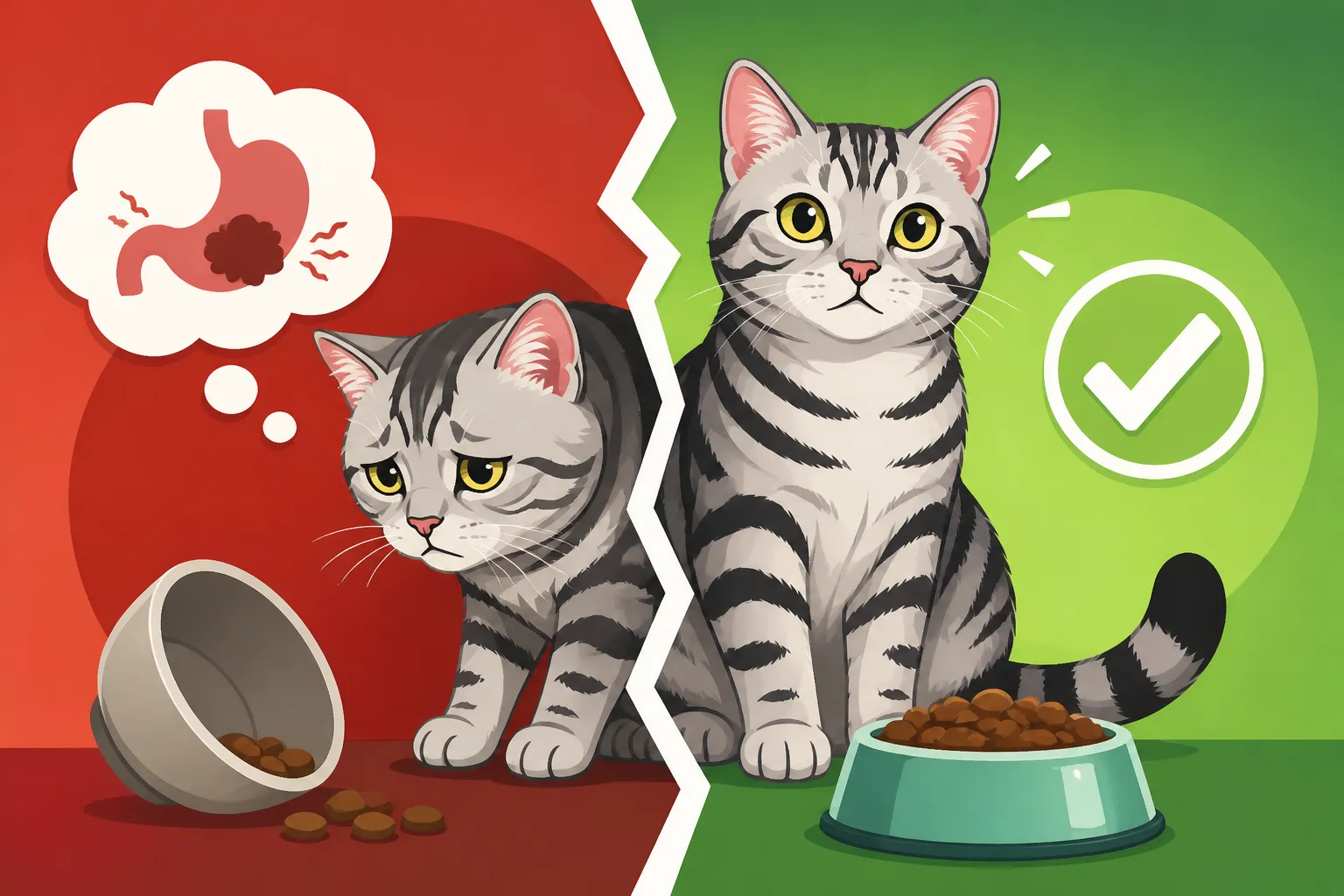
It’s a common misconception, isn't it? Many of us, myself included, have fallen into the trap of thinking that leaving a full bowl of kibble down all day is convenient and harmless for our feline friends. After all, cats are supposed to "graze," right? But for an American Shorthair, a breed known for its robust build and historically strong hunting drive, this seemingly innocent habit can actually be a ticking time bomb for their health, leading to serious issues that could drastically shorten their otherwise long and healthy lives.
The American Shorthair's Inherited Appetite and Modern Conundrum
When you look at an American Shorthair, you're seeing a direct descendant of hardy, working cats that were brought over by early European settlers. These were not pampered lap cats; they were essential members of the crew on ships, and later, on farms, tasked with keeping rodent populations under control. Their very survival depended on a keen hunting instinct and an efficient metabolism that could make the most of whatever prey they caught.
The Hunter's Instinct Meets the Indoor Life
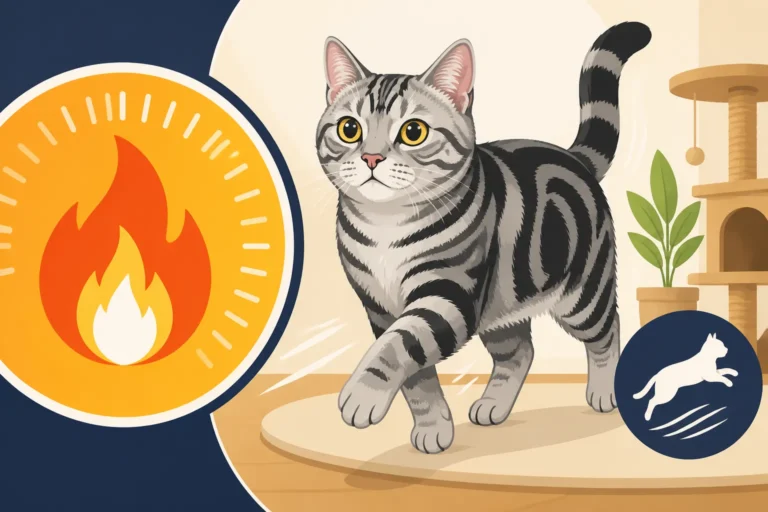
Imagine a cat whose ancestors spent their days actively hunting for every meal. They had to stalk, chase, pounce, and consume multiple small prey throughout the day to get enough calories. This constant physical activity burned energy, and their bodies were finely tuned to store any excess when food was plentiful, preparing for leaner times. Now, fast forward to our modern American Shorthairs. Many live comfortable, indoor lives where their biggest "hunt" might be a toy mouse or a sunbeam.
This dramatic shift in lifestyle means their ingrained instincts for catching and eating prey are no longer matched by the physical exertion required. When we leave a bowl of food down all the time, we’re essentially offering an endless buffet to a creature whose evolutionary programming tells it to eat whenever possible. There’s no challenge, no effort, and no natural regulation that would come from an active hunt. This mismatch is a core reason why so many American Shorthairs struggle with weight. It’s hard to ignore an instinct that has been honed over centuries, and without the physical outlet, that instinct often manifests as overeating. It’s a sad irony that the very traits that made them such successful working cats now pose a health risk in a domesticated setting. This is a big part of why an article like "Why Ending the Mousing Job Made the American Shorthair Heavy" resonates with so many owners.
Genetic Predisposition and Efficient Metabolism
Beyond their hunting heritage, American Shorthairs possess a naturally sturdy and muscular build. This "working frame" was perfect for a life of activity and resilience. However, this same efficient metabolism, which once allowed them to thrive on inconsistent food sources, now makes them exceptionally good at converting calories into fat if their energy expenditure doesn't match their intake. They don't have the delicate build or high-strung energy levels of some other breeds that might burn through calories faster. Instead, their bodies are designed for efficiency and strength, which means they can pack on pounds quickly if not properly managed. This isn't a fault in the breed; it's a testament to their robust genetics, but it requires us as owners to be extra vigilant. Understanding "What Extra Weight Does to an American Shorthair's Working Frame" can really drive home the importance of lean body mass for these magnificent cats.
The Impact of Neutering
Another significant factor contributing to weight gain in American Shorthairs is neutering. While spaying and neutering are incredibly important for population control and preventing certain health issues, they also have a direct impact on a cat's metabolism. Hormonal changes post-surgery often lead to a decrease in metabolic rate and activity levels, even if subtle. This means that a neutered American Shorthair often requires significantly fewer calories to maintain a healthy weight compared to an intact cat. If their diet isn't adjusted accordingly, and especially if a food bowl is left down constantly, the weight gain can be rapid and relentless. Many owners find themselves asking "Why a Neutered American Shorthair Puts On Weight Faster" after their cat's surgery, and this metabolic shift is the key answer. It’s not about blame, but about understanding and adapting our care to their changing needs.
The Alarming Health Risks of Obesity
When an American Shorthair carries too much weight, it's not just a cosmetic issue. Obesity is a serious medical condition that acts as a gateway to a host of other painful and life-threatening diseases, dramatically impacting their quality of life and potentially shortening their lifespan.
Joint Issues and Reduced Mobility
One of the most immediate and visible effects of obesity is the strain it puts on a cat's skeletal system. American Shorthairs are naturally muscular and strong, but their joints, particularly in their hips and knees, are not designed to carry excessive weight. Over time, the constant pressure on these joints leads to inflammation, cartilage breakdown, and the development or worsening of conditions like arthritis. You might start noticing your once agile American Shorthair hesitating before jumping onto furniture, moving more slowly, or even showing signs of pain.
This reduced mobility creates a vicious cycle: the cat hurts more, moves less, and therefore burns fewer calories, leading to further weight gain. It can become a truly heartbreaking situation for both cat and owner. We need to be mindful of how "Why a Broad Chested American Shorthair Puts Weight Through Its Hips" highlights the unique structural challenges these cats face when overweight. Early intervention and weight management are crucial to maintaining their comfort and active lives well into their senior years.
Diabetes and Other Metabolic Disorders
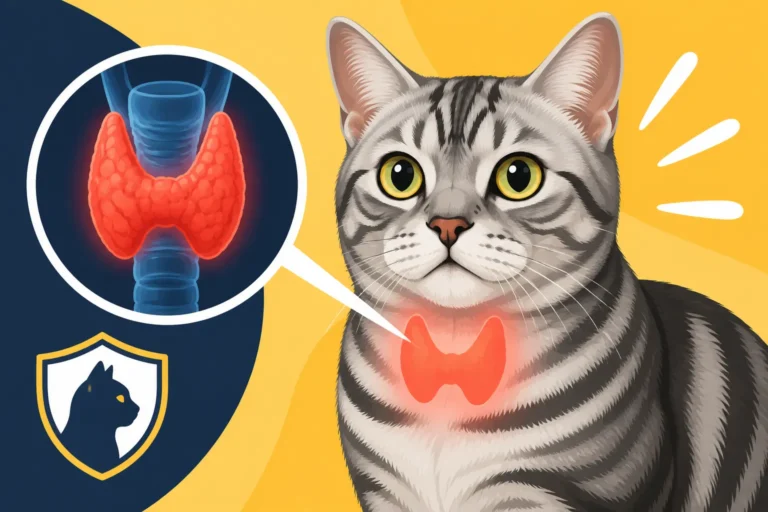
Perhaps one of the most frightening consequences of feline obesity is the increased risk of developing Type 2 diabetes. Just like in humans, overweight cats can become insulin resistant, meaning their bodies don't respond effectively to the insulin hormone, which regulates blood sugar. This leads to elevated blood sugar levels, which, if left untreated, can cause severe organ damage, nerve problems, and even death.
Managing feline diabetes often involves daily insulin injections, special diets, and frequent veterinary visits, which can be a significant emotional and financial burden for owners. It's a condition that is largely preventable through proper weight management, making the issue of free-feeding even more critical. If you've ever heard a vet discuss "How Weight Turns Into Diabetes in an American Shorthair," you understand the urgency of preventing this outcome. Beyond diabetes, obesity also contributes to other metabolic issues, making their entire system work harder and less efficiently.
Increased Risk of Other Ailments
The ripple effect of obesity extends far beyond joints and blood sugar. An overweight American Shorthair is at a higher risk for a variety of other serious health problems:
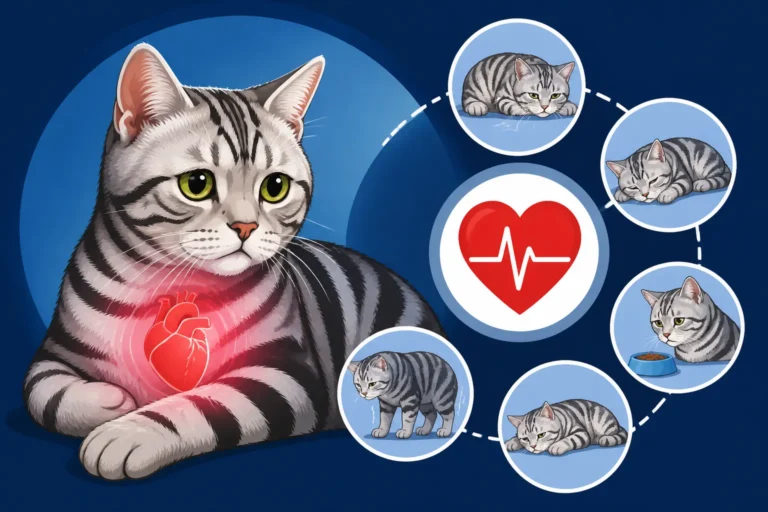
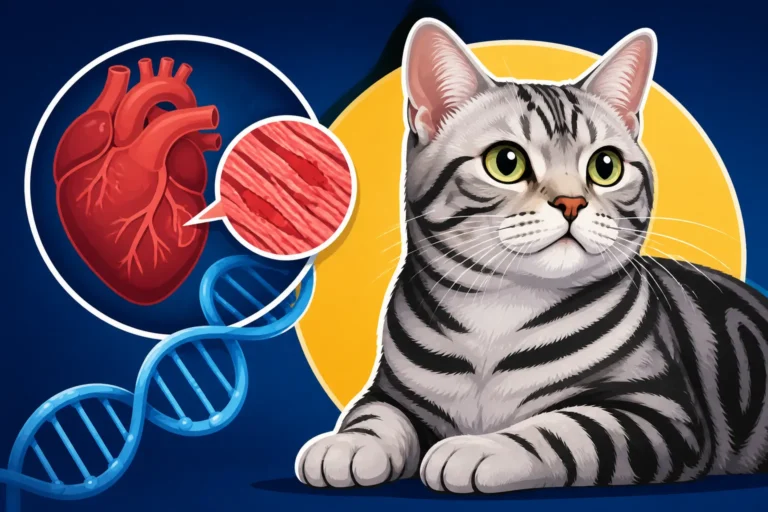
- Heart Disease: While American Shorthairs are generally considered a robust breed, excessive weight can strain the heart, exacerbating existing conditions or contributing to new ones.
- Urinary Tract Issues: Obese cats are more prone to developing urinary tract infections and bladder stones due to reduced water intake (often associated with dry food diets) and difficulty maintaining proper hygiene.
- Fatty Liver Disease (Hepatic Lipidosis): This serious and potentially fatal condition can develop quickly if an overweight cat stops eating for even a short period (e.g., due to stress or illness). Their bodies start breaking down fat for energy, overwhelming the liver.
- Reduced Grooming Ability: A large belly can make it difficult for your American Shorthair to reach and groom all parts of their body, leading to matted fur, skin infections, and discomfort. This might seem minor, but it affects their overall well-being and can lead to more serious skin problems.
- Complications During Surgery: If an overweight American Shorthair ever needs surgery, whether routine or emergency, they face higher anesthetic risks and slower recovery times. Excess fat can complicate procedures and make accurate dosing of medication more challenging.
- Shortened Lifespan: Ultimately, all these accumulated health problems take a toll, reducing the number of precious years you have with your beloved companion. It’s a sobering thought, but research consistently shows "How Many Years Extra Weight Takes Off the American Shorthair's Lifespan."
Navigating these health challenges can be costly and stressful. This is where pet insurance, like a policy from Healthy Paws, can become invaluable. While a good plan can help with the financial strain of treating conditions like diabetes or severe arthritis, prevention is always the best medicine. Investing in a proper feeding strategy now can save you and your cat a lot of heartache (and veterinary bills!) down the line.
How Free-Feeding Becomes a Weight Trap
The concept of leaving a food bowl down all the time seems simple and caring on the surface. We want our cats to have access to food whenever they're hungry, mimicking what we imagine their natural foraging behavior might be. However, in a domestic setting, especially for a breed like the American Shorthair, this practice quickly turns into a significant contributor to overweight issues.
The Illusion of "Grazing"
Many people believe cats are natural grazers, nibbling small amounts throughout the day. While it's true that wild cats eat multiple small meals, these meals require effort to obtain. They aren't simply walking up to an unlimited supply. Domestic cats, particularly indoor ones with minimal activity, don't have the same energy demands. When food is constantly available, their natural satiety cues can become overridden. They might eat out of boredom, habit, or simply because the food is there, not because they are genuinely hungry. This "passive eating" makes it incredibly difficult to manage their caloric intake, as there's no clear start or end to a "meal."
Lack of Portion Control and Accountability
With a constantly refilled bowl, it's almost impossible to accurately track how much your American Shorthair is actually eating in a 24-hour period. You might fill the bowl in the morning, top it up in the evening, and assume they're eating a reasonable amount. However, without precise measurement, you're likely overestimating their needs. This lack of portion control is the cornerstone of unintended weight gain.
Consider this: most commercial cat foods provide feeding guidelines based on an average cat's weight and activity level, and these are often on the higher side. For an indoor American Shorthair that spends most of its day napping, those recommendations need to be adjusted down. Without portioning, you're essentially flying blind, letting your cat decide their own calorie intake, which, given their genetic predisposition for efficient eating, is a recipe for disaster. This is why understanding "How Much to Put Down for an American Shorthair at Each Meal" is paramount.
The Boredom and Snacking Cycle
An indoor American Shorthair, even one provided with ample toys and enrichment, can still experience periods of boredom. When there's nothing else particularly engaging to do, wandering over to the food bowl and having a snack becomes an easy default activity. It provides a brief moment of stimulation and satisfaction, much like humans might reach for a bag of chips when bored. This isn't true hunger; it's a behavioral response to an available resource. This cycle of boredom-eating-boredom can lead to a significant calorie surplus over time, without the cat ever feeling truly 'full' in a healthy, satisfied way.
Challenges in Multi-Cat Households
The problem of free-feeding becomes even more complex in homes with multiple cats. If you have several American Shorthairs, or an American Shorthair living with other breeds, it’s virtually impossible to ensure each cat is eating only their allocated portion. One cat might be a slower eater, while another, more dominant cat, might be a "food hog," consuming their own portion plus a significant amount from the communal bowl. This not only leads to one cat becoming overweight but can also cause the other to become underfed or stressed. Trying to manage individual dietary needs, especially if one cat requires a prescription diet or is on a weight loss plan, becomes an exercise in futility when food is always available. Each cat's health trajectory diverges, creating more stress and potentially more vet visits that a comprehensive plan from Healthy Paws might help with.
Creating a Healthy Feeding Routine for Your American Shorthair
Transitioning from free-feeding to a controlled, scheduled meal plan might seem daunting, especially if your American Shorthair has been used to an open buffet. However, with a bit of patience and consistency, you can establish a routine that promotes their health, mental stimulation, and helps maintain an ideal weight.
The Power of Scheduled Meals and Portion Control
The single most effective step you can take is to switch to scheduled mealtimes with precisely measured portions. This mimics the natural rhythm of a wild cat, where meals are distinct events. Start by dividing your American Shorthair's total daily caloric allowance into two or three smaller meals. For adult cats, twice a day is often sufficient, but some thrive on three smaller meals.
- Measure Accurately: Invest in a digital kitchen scale or accurate measuring cups. Don't eyeball it! Even a slight overestimation each day can lead to significant weight gain over months.
- Consistency is Key: Feed at roughly the same times each day. Cats are creatures of habit, and they will quickly learn to anticipate their meal times. This can actually reduce begging behavior, as they understand when food will arrive.
- Consult Your Vet: Your veterinarian is your best resource for determining the exact calorie needs for your specific American Shorthair, taking into account their age, activity level, and current body condition. They can help you calculate "How Much to Put Down for an American Shorthair at Each Meal" to ensure they are getting enough nutrients without overeating.
Choosing the Right Fuel
The type of food you offer is just as important as the quantity. For a muscular breed like the American Shorthair, a diet rich in high-quality animal protein and moderate fat is ideal.
- Prioritize Protein: Protein helps maintain muscle mass, which is crucial for an American Shorthair's working frame and helps them feel fuller for longer. Look for meat-first ingredients.
- Consider Wet Food: Wet food has a higher moisture content, which is beneficial for hydration and can help your cat feel more satiated on fewer calories compared to dry kibble. The moisture also supports urinary tract health, a common concern in cats. Many owners find "Which Food Suits an American Shorthair Built for Muscle" often involves a combination of high-quality wet and dry options.
- Avoid "Diet" Foods Without Vet Guidance: Be wary of generic "light" or "weight loss" foods without first consulting your vet. Some might reduce calories by increasing fillers or decreasing essential nutrients. A vet can recommend appropriate prescription diets if needed for significant weight loss.
Making Mealtime an Adventure with Enrichment
Since your American Shorthair no longer has to hunt for survival, you can engage their natural instincts by making them "work" for their food. This not only burns calories but also provides crucial mental stimulation, reducing boredom-eating.
- Puzzle Feeders: These ingenious devices require your cat to use their paws or brains to extract kibble, slowing down their eating and engaging their predatory instincts. There are many types, from simple treat balls to more complex mazes. Exploring "Whether a Puzzle Feeder Satisfies an American Shorthair" is definitely worth your time.
- Food Hiding: Scatter portions of their kibble in various locations around the house – on cat trees, in cardboard boxes, or hidden in safe, accessible spots. This encourages sniffing, searching, and movement, mimicking foraging behavior.
- Interactive Play Before Meals: A 10-15 minute session with a wand toy right before a meal can tap into their prey drive, provide exercise, and make the meal feel like the "reward" after a successful hunt.
Regular Weight Monitoring and Vet Check-ups
Even with the best feeding plan, regular monitoring is essential.
- Body Condition Scoring: Learn how to assess your American Shorthair's body condition score at home. You should be able to easily feel their ribs without pressing hard, see a slight waist behind their ribs, and their belly shouldn't sag. The phrase "How to Find the Ribs on a Square Built American Shorthair" is a crucial skill to master.
- Weigh-Ins: If possible, weigh your cat regularly at home using a small pet scale or by weighing yourself, then picking up your cat and subtracting your weight. Track their weight over time.
- Veterinary Visits: Regular check-ups with your vet are non-negotiable. They can accurately assess your cat's weight and body condition, catch any underlying issues early, and help you adjust the feeding plan as needed. They can also discuss a full senior panel or other diagnostic tests, and Healthy Paws can provide peace of mind for those unexpected costs. If you notice your American Shorthair is excessively thirsty, it's always a good idea to seek vet advice, as "Why a Thirsty American Shorthair Should Be Tested" can indicate serious health concerns like diabetes or kidney issues.
It's also beneficial to ensure your American Shorthair is drinking enough water. While wet food helps, a clean, fresh water supply is vital. You can offer multiple water bowls in different locations, or consider a feline-friendly water fountain, which some cats prefer. "How to Tell If an American Shorthair Drinks Enough" often involves observing litter box habits and overall energy levels, but your vet can give you more specific indicators.
By taking these steps, you're not just preventing weight gain; you're actively enhancing your American Shorthair's health, happiness, and ensuring they live the longest, most vibrant life possible.
Comparing Feeding Methods: Free-Feeding vs. Scheduled Meals
To better illustrate the differences and benefits, here's a quick comparison of free-feeding versus scheduled meal times for your American Shorthair:
| Feature | Free-Feeding (Bowl Always Down) | Scheduled Meals (Portion Controlled) |
|---|---|---|
| Weight Control | Very difficult; high risk of obesity | Excellent; easy to manage caloric intake |
| Satiety Cues | Often overridden; leads to eating out of boredom/habit | Reinforced; cats learn to eat when hungry, anticipate meals |
| Health Risks | Increased risk of diabetes, joint issues, fatty liver, etc. | Reduced risk of obesity-related diseases |
| Multi-Cat Homes | Highly problematic; leads to unequal eating, food aggression | Easier to manage individual diets and prevent resource guarding |
| Monitoring Intake | Nearly impossible to track precise daily consumption | Clear and measurable daily intake, easy to spot changes |
| Mental Stimulation | Low; no "work" involved in getting food | High potential with puzzle feeders and foraging |
| Bonding | Minimal interaction around food | Builds routine and positive interaction around meal preparation |
| Boredom Eating | High risk, as food is always available | Reduced; food becomes a designated event, not a constant option |
Disclaimer
The information provided in this article is for general informational purposes only and is not a substitute for professional veterinary advice. Always consult with a qualified veterinarian regarding any health concerns or before making any changes to your pet's diet or care routine.