How a Vet Assesses an American Shorthair’s Hips
It can be incredibly distressing when you notice your American Shorthair, usually so agile and graceful, starting to show signs of discomfort or stiffness, perhaps hesitating before jumping or moving a bit slower. These subtle changes often make us worry about their joint health, especially their hips, a common concern in many breeds, and trying to understand what’s going on can feel overwhelming. This comprehensive guide will walk you through how veterinarians meticulously assess an American Shorthair's hips, from initial observations to advanced diagnostics, helping you understand the process and what to expect.
Understanding Hip Health in American Shorthairs
The American Shorthair is renowned for its robust, well-muscled build and a history rooted in working lines, meaning they were bred for strength and agility to be effective mousers. This lineage gives them a sturdy frame, but like any cat, they aren't entirely immune to orthopedic challenges. Understanding their unique anatomy and potential predispositions is the first step in appreciating why hip health is such an important topic.
The American Shorthair's Unique Build and Hip Strain
American Shorthairs possess a distinct, powerful physique. They are medium to large cats with a broad chest, strong legs, and a solid, muscular body. This "square built" frame, while impressive, means they carry their weight in a way that can place particular stress on their hip joints over time. Unlike some more delicate breeds, their robust nature can sometimes mask early signs of discomfort, making it harder for owners to spot issues until they're quite advanced. Think of a strong athlete who pushes through pain; cats are masters of this, and the American Shorthair’s inherent stoicism can be a double-edged sword when it comes to noticing a limp in a stoic American Shorthair. Their dense muscle mass around the hips can also make it challenging to palpate or feel the joint structures without a proper veterinary examination.
This muscularity, which was once an asset for chasing down prey and patrolling territory, can now, in their more sedentary indoor lives, contribute to issues if not managed correctly. For instance, an American Shorthair’s hips are designed for powerful propulsion, not necessarily for endless hours spent lounging without adequate exercise to maintain muscle tone and joint lubrication. This historical function means their joints are capable, but not indestructible, especially as they age or if other factors like obesity come into play. It's truly a testament to their heritage, but one that requires modern understanding from their human companions.
Common Hip Conditions in American Shorthairs
While American Shorthairs are generally considered a very healthy breed, they can still be affected by several conditions that impact their hips. The most commonly discussed orthopedic issue in cats, including the American Shorthair, is Hip Dysplasia. This condition involves an abnormal formation of the hip socket, where the ball (femoral head) doesn't fit snugly into the socket (acetabulum). This misalignment can lead to joint instability, pain, degenerative joint disease, and eventually, arthritis. While more prevalent in certain dog breeds, hip dysplasia does occur in cats and can range from mild to severe, significantly impacting their quality of life.
Beyond hip dysplasia, American Shorthairs can also experience other issues. Trauma, such as falls or impacts from jumping down from high places, can lead to fractures or luxations (dislocations) of the hip joint. Degenerative joint disease, or osteoarthritis, is also a concern, especially in older cats, as the cartilage that cushions the joints wears down over time. This wear and tear is a natural part of aging, but it can be exacerbated by underlying conditions like mild hip dysplasia or excessive weight. Understanding these potential challenges helps us appreciate why a thorough veterinary assessment is so crucial. You can also learn more about why a stocky build costs an American Shorthair its hips.
Why an American Shorthair Might Hide Hip Pain
One of the biggest frustrations for cat owners, especially those with naturally stoic breeds like the American Shorthair, is their incredible ability to mask pain. In the wild, showing weakness makes an animal vulnerable, and this instinct is deeply ingrained in our domestic companions. An American Shorthair won't typically limp dramatically or cry out like a dog might. Instead, their signs of hip pain are often subtle and easily missed, especially in the early stages. You might notice a gradual change in behavior – perhaps they sleep more, become less interactive, or show a decreased interest in play.
They might avoid jumping to their favorite window perch or cat tree, or simply hesitate before performing actions that once came naturally. Sometimes, it’s just a slight stiffness when they first get up, or a change in their grooming habits if reaching certain areas becomes painful. These are the kinds of cues that observant owners pick up on, but they require a keen eye. It's not that your cat isn't experiencing pain, it's that they are masters at internalizing it. This is why regular veterinary check-ups are so vital, even if your American Shorthair seems perfectly fine on the surface; a professional can often detect these subtle signs before they become glaringly obvious.
The Initial Veterinary Examination for Hip Issues
When you bring your American Shorthair to the vet with concerns about their mobility or suspected hip pain, the examination process begins long before any advanced imaging takes place. Your veterinarian will start by gathering information and observing your cat in a natural setting, then move on to a hands-on physical assessment. This step-by-step approach allows them to build a comprehensive picture of your cat's overall health and pinpoint potential areas of concern.
Gathering Your Cat's History and Observing Gait
The first and arguably most crucial step in diagnosing any issue with your American Shorthair is the detailed history you provide. Your vet will ask about any changes you've noticed: when did the stiffness start? Does it seem worse after rest or certain activities? Has their jumping ability changed? Have their litter box habits altered, perhaps making it difficult to get in and out of the box? Are they grooming less, particularly their hindquarters? Any past injuries or health conditions will also be relevant. Be prepared to share everything, no matter how minor it seems, because even the slightest detail can be a crucial clue for the vet.
Following the history, your vet will want to observe your American Shorthair's gait and posture. This is often done by letting your cat move freely in the examination room, or by encouraging them to walk a short distance. They'll be looking for signs like limping, a shortened stride, difficulty standing up, a swaying motion in the hindquarters, or an altered stance that suggests they are trying to shift weight off a painful joint. Sometimes, they might even ask you to record a short video of your cat moving at home, as cats often behave differently in a clinical setting due to stress or novelty. This initial observation can be particularly telling for discerning why an American Shorthair slows before it limps, as cats are notoriously adept at masking pain during a stressful vet visit.
Palpation and Range of Motion Assessment
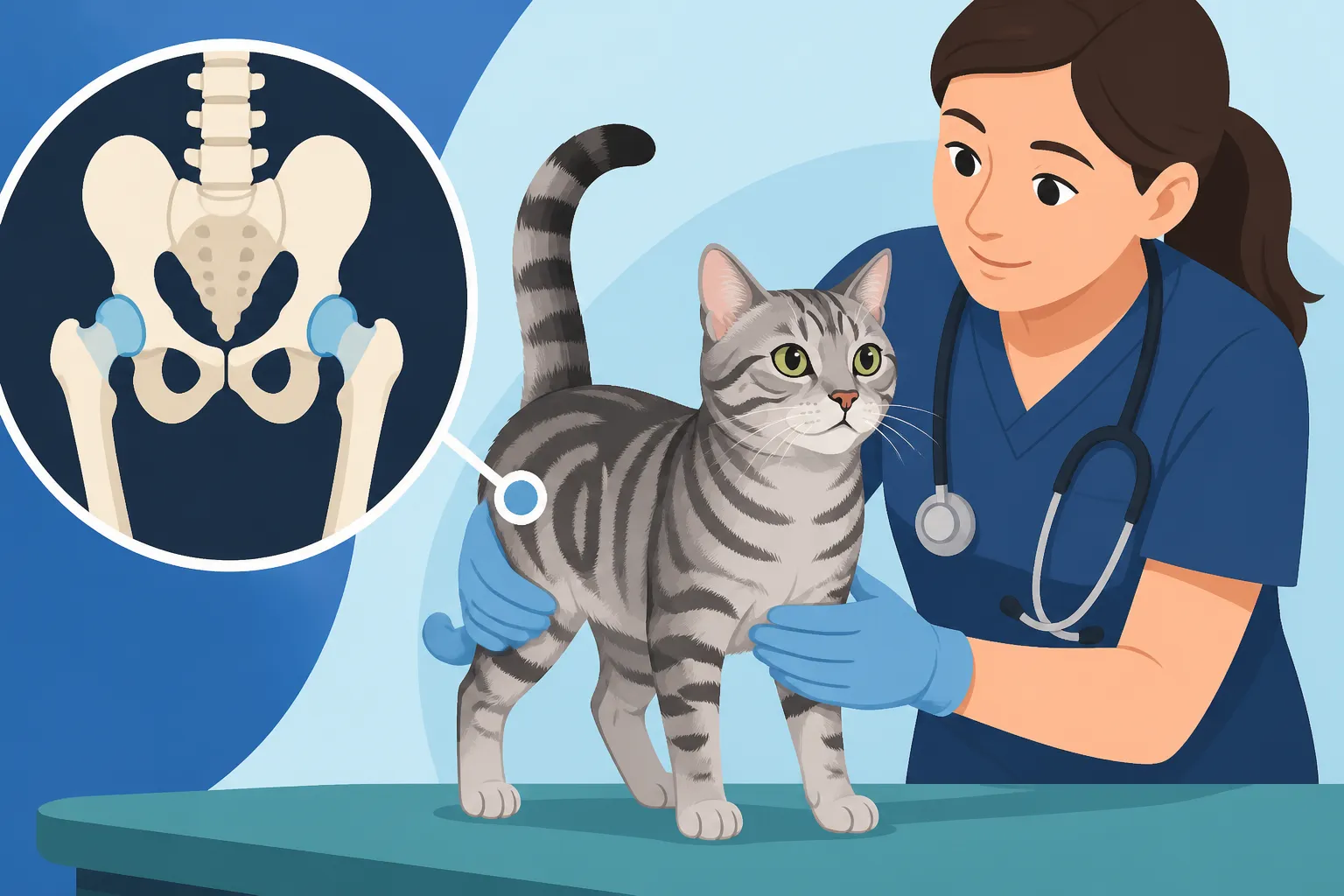
After observing your cat's natural movement, the vet will move on to a thorough physical examination. This involves palpating, or carefully feeling, the hip joints and surrounding muscles. They'll be checking for signs of pain, swelling, muscle atrophy (wasting), or any abnormal bone alignment. During palpation, your cat's reactions are key; a twitch, a flinch, or even just a slight tensing of muscles can indicate discomfort. They'll compare both hips to detect any asymmetry, which can be a strong indicator of a problem on one side.
The next critical part of the physical exam is assessing the range of motion in the hip joints. This involves gently manipulating each leg through its normal range of movement – flexion, extension, abduction, and adduction. The vet will be looking for any restricted movement, stiffness, or signs of pain at specific angles. They might also listen for crepitus, a crackling or grating sound that can indicate bone-on-bone friction within the joint, a common sign of arthritis or severe cartilage degradation. This process requires a gentle, calm approach, especially with a stoic American Shorthair, to ensure accurate assessment without causing undue stress or protective tensing, which could obscure true joint mobility.
Recognizing Subtle Signs of Discomfort
As mentioned, American Shorthairs are champions at hiding pain, which makes recognizing subtle signs of discomfort paramount during the initial vet visit. Beyond the physical palpation and range of motion tests, a veterinarian is also trained to interpret your cat's body language. This could include a slight pupil dilation, a subtle shift in ear position, a quick tail flick, or even a tense facial expression when a painful area is touched or manipulated. They'll also note if your cat attempts to pull away, hisses quietly, or exhibits any form of aggression, which can be a clear indicator of pain.
Furthermore, vets are attuned to secondary signs that can develop as a result of chronic hip pain. For example, if your American Shorthair has been favoring one side due to discomfort, you might see uneven muscle development in the hind legs, with one appearing less muscular than the other. Changes in the quality of their coat, especially around the lower back and hindquarters, can also be a subtle sign if they can no longer comfortably reach those areas for grooming. Sometimes, pain can even manifest as changes in temperament, making a usually placid cat irritable or withdrawn. A good veterinarian will always take all these subtle cues into account, understanding that in cats, quiet suffering is far more common than obvious lameness.
Advanced Diagnostics: Imaging and Further Tests
While the initial physical examination provides crucial clues, a definitive diagnosis for hip conditions in your American Shorthair almost always requires advanced imaging. X-rays are the gold standard for visualizing the bones and joint structures, allowing the vet to assess the integrity of the hips and detect any abnormalities that might be causing your cat's discomfort.
Radiography X-Rays for Definitive Diagnosis
When a veterinarian suspects hip dysplasia or other structural issues based on the physical exam and your cat’s history, X-rays (radiographs) are the next logical step. X-rays provide clear images of the bones and joint spaces, allowing the vet to evaluate the shape of the femoral head (the "ball" of the hip joint) and the acetabulum (the "socket"), the depth of the socket, and the overall congruity of the joint. They can also reveal signs of degenerative joint disease, such as bone spurs (osteophytes), joint space narrowing, or sclerosis (increased bone density) around the joint, which are all indicators of arthritis.
For a comprehensive assessment, specific radiographic views are often taken. The most common is a ventrodorsal extended view, where the cat lies on its back with its hind legs extended straight back and parallel to each other. This position provides an excellent view of both hip joints simultaneously, allowing for comparison. Sometimes, other views like frog-leg laterals are also used, where the legs are flexed and rotated, offering a different perspective on the joint structure. These images are absolutely essential for diagnosing conditions like hip dysplasia, assessing the severity of arthritis, or identifying fractures or dislocations that might not be evident through palpation alone. Learning how an American Shorthair’s hips are positioned for X-ray can provide valuable insight into this diagnostic process.
Preparing Your American Shorthair for X-Rays
Getting clear, diagnostic X-rays of a cat’s hips usually requires sedation or general anesthesia. Why? Because to get those precise, extended views necessary for an accurate assessment, your American Shorthair needs to lie perfectly still in specific positions for several minutes. A cat, even a very calm one, is unlikely to cooperate fully awake, and any movement can blur the image, necessitating repeat X-rays. Sedation also ensures your cat remains comfortable and free from pain during the positioning, especially if their hips are already sore.
Before sedation, your vet will typically recommend pre-anesthetic bloodwork to ensure your cat is healthy enough to undergo the procedure and to check kidney and liver function. This is a standard safety protocol. On the day of the X-ray, you'll usually be asked to withhold food for several hours prior, though water is generally allowed. The vet team will monitor your cat closely throughout the sedation and recovery process, ensuring they wake up comfortably. While the idea of sedation can be concerning for any pet owner, it's a routine procedure that allows for the most accurate and least stressful diagnostic outcome for your American Shorthair.
Interpreting Radiograph Results
Once the X-rays are taken, your veterinarian will carefully analyze the images to interpret the findings. They will assess several key features to determine the health of your American Shorthair’s hips. This includes evaluating the conformity of the femoral head to the acetabulum; in a healthy hip, the ball should fit deeply and snugly into the socket. They will look for any signs of subluxation, which is a partial dislocation where the ball isn't fully seated in the socket, a hallmark of hip dysplasia. The presence and extent of osteophytes (bone spurs) or other signs of degenerative joint disease will also be noted, as these indicate arthritis.
In some cases, especially where breeding is a consideration, vets might use specific scoring systems for hip dysplasia, similar to those used in dogs. These systems provide a more objective measure of hip health, although they are less commonly applied to cats for general diagnosis. Your vet will explain the findings to you, showing you the images and pointing out any abnormalities. They’ll discuss what the results mean for your cat's immediate health and long-term prognosis. It’s important to remember that X-ray findings often correlate with clinical signs, but sometimes, a cat with seemingly bad X-rays might show few symptoms, while another with less severe radiographic changes might be in significant pain. The overall clinical picture, combining your observations, the physical exam, and the X-ray results, is what guides the diagnosis and treatment plan.
What a Vet Looks For in Hip Assessments
Beyond just looking for a "good" or "bad" hip, veterinarians are trained to identify specific markers and subtleties in the assessment process that guide their understanding of your American Shorthair's hip health. It’s a nuanced evaluation that considers not just the bones, but also the surrounding tissues and the cat's overall well-being.
Key Indicators of Hip Dysplasia
When examining X-rays, there are several key indicators a vet looks for to diagnose hip dysplasia in an American Shorthair. First and foremost is the "fit" of the femoral head (ball) into the acetabulum (socket). In a dysplastic hip, the femoral head might be shallowly seated or even partially dislocated (subluxated). The angle of coverage of the femoral head by the acetabulum is crucial; less coverage means more instability. Vets also look for signs of a flattened femoral head or a shallow acetabulum, which are characteristic of poor joint development.
Another significant indicator is the presence of secondary changes, such as osteophytes, which are new bone growths that form around the edges of the joint as the body tries to stabilize an unstable or damaged hip. These bone spurs are a clear sign of degenerative joint disease, or arthritis, that develops as a consequence of the abnormal mechanics of a dysplastic hip. The density of the bone, particularly around the joint, can also provide clues, with increased density (sclerosis) often indicating chronic stress and wear. The veterinarian will also check for the presence of "acetabular rim remodeling," where the edge of the hip socket changes shape in response to abnormal pressure. All these radiographic findings contribute to the overall diagnosis and grading of the hip condition. You can also explore which hip grade an American Shorthair should have if you're curious about the typical classifications.
Other Orthopedic Issues to Consider
While hip dysplasia is a primary concern, a thorough veterinary assessment will also consider other orthopedic issues that can mimic or contribute to hip pain in an American Shorthair. Fractures of the pelvis, femur, or even the femoral head itself can cause acute lameness and pain, and these would be clearly visible on X-rays. Luxation (dislocation) of the hip joint, often due to trauma, is another distinct possibility that needs to be ruled out or confirmed.
Beyond direct joint issues, problems with the soft tissues around the hip can also cause discomfort. Muscle strains or tears in the powerful hind leg musculature, though harder to diagnose definitively without advanced imaging like MRI, can present with similar symptoms of lameness or stiffness. Neurological conditions affecting the spinal cord or nerves leading to the hind legs can also manifest as weakness, lameness, or an altered gait, so the vet will perform a neurological exam to differentiate between orthopedic and neurological origins of the symptoms. Even something like patellar luxation (kneecap dislocation) in the stifle (knee) joint can sometimes affect the overall mechanics of the hind limb and influence how your American Shorthair moves its hips. Therefore, a vet’s assessment is rarely tunnel-visioned, but rather a holistic look at the entire musculoskeletal and neurological system of the cat.
The Importance of a Comprehensive Evaluation
It cannot be stressed enough how vital a comprehensive evaluation is when assessing an American Shorthair’s hips. This isn't just about looking at one X-ray and making a call; it’s about piecing together a complex puzzle using every bit of information available. The combination of your detailed history, the vet’s keen observations of gait and posture, the findings from the physical palpation and range of motion tests, and the definitive images from radiography all contribute to the most accurate diagnosis.
Without this comprehensive approach, it’s easy to miss subtle underlying issues or misdiagnose a condition. For example, a cat might have mild hip dysplasia on X-rays but actually be experiencing more significant pain from concurrent arthritis in their knees, or even a dental issue that causes them to withdraw. The vet's role is to synthesize all this data, rule out other possibilities, and arrive at the most accurate conclusion. This thoroughness ensures that the treatment plan developed is truly tailored to your American Shorthair’s specific needs, addressing the root cause of their discomfort and aiming for the best possible quality of life. This exhaustive approach is also why pet insurance providers like Healthy Paws encourage regular vet visits, as early and accurate diagnosis often leads to more effective and less invasive treatments down the line.
Managing Hip Conditions and Future Care
Once your American Shorthair has received a diagnosis for a hip condition, the focus shifts to management and ongoing care. The goal is always to alleviate pain, improve mobility, and maintain the best possible quality of life, which often involves a combination of medical treatments, lifestyle adjustments, and regular monitoring.
Treatment Options After Diagnosis
The specific treatment plan for your American Shorthair's hip condition will depend heavily on the diagnosis and severity. For mild cases of hip dysplasia or early-stage arthritis, conservative management is often the first approach. This typically involves pain management with non-steroidal anti-inflammatory drugs (NSAIDs) prescribed by your vet, which help reduce inflammation and pain. Joint supplements containing ingredients like glucosamine, chondroitin, and omega-3 fatty acids can also be beneficial in supporting cartilage health and reducing inflammation, though their efficacy can vary. You might also want to read about whether pain relief extends an American Shorthair's active years for more information on managing chronic pain.
In more severe cases, or if conservative management isn't effective, surgical options might be considered. For hip dysplasia, procedures like Femoral Head Ostectomy (FHO) can be performed. In an FHO, the "ball" portion of the femoral head is removed, and the muscles around the hip eventually form a false joint, reducing bone-on-bone pain. While it sounds drastic, cats typically recover well and can regain good function, especially lighter, agile breeds. Total Hip Replacement (THR) is another option, though less common in cats than dogs, where the damaged joint is replaced with prosthetic components. Your vet will discuss the pros and cons of each treatment path, considering your cat’s age, overall health, and the specifics of their condition. It's a big decision, and understanding whether hip surgery is ever needed in the American Shorthair is crucial for making informed choices.
Lifestyle Adjustments and Supportive Care
Beyond medical treatments, significant improvements in your American Shorthair's comfort and mobility can come from lifestyle adjustments and supportive care at home. Weight management is paramount; extra weight puts considerable strain on already compromised joints, exacerbating pain and accelerating degenerative changes. Your vet can help you develop a weight loss plan if needed, and switching to a diet formulated for joint health can also be beneficial. Think about how many years extra weight takes off the American Shorthair’s lifespan – it's a real factor for joint health.
Environmental modifications can also make a huge difference. Provide ramps or steps to help your cat access favorite high places like beds, sofas, or window sills, thereby reducing the need for painful jumping. Ensure their litter boxes have low sides for easy entry and exit. Soft, comfortable bedding can alleviate pressure on sore joints. Regular, gentle exercise, such as short play sessions using wand toys or puzzle feeders, can help maintain muscle mass and joint flexibility without overstressing the hips. Physical therapy, including gentle massage or passive range-of-motion exercises, might also be recommended by your vet to further support recovery and mobility.
Long-Term Monitoring and Prognosis
Managing hip conditions in an American Shorthair is often a long-term commitment that requires ongoing monitoring and adjustments to their care plan. Regular follow-up visits with your vet will be necessary to assess how your cat is responding to treatment, to monitor for any progression of the disease, and to fine-tune medication dosages or other interventions. These visits might include repeat physical examinations and, occasionally, follow-up X-rays to track changes in the joint.
The prognosis for American Shorthairs with hip conditions varies widely depending on the severity of the initial diagnosis, the chosen treatment path, and how consistently the care plan is followed. Many cats, especially with early diagnosis and diligent management, can live full, comfortable lives with well-controlled pain. Others with more severe or rapidly progressing disease might face greater challenges but can still achieve a good quality of life with dedicated care. The key is proactive management and maintaining an open dialogue with your veterinarian to ensure your American Shorthair receives the best possible care throughout their life. Investing in pet insurance, such as a comprehensive plan from Healthy Paws, can also provide peace of mind and financial support for these long-term medical needs, allowing you to focus on your cat's well-being without undue financial stress.
Comparing Hip Assessment Techniques
To summarize the different methods a vet employs when assessing your American Shorthair's hips, here's a helpful table.
| Assessment Method | What It Involves | What the Vet Is Looking For | Key Benefits | Limitations |
|---|---|---|---|---|
| History & Observation | Owner accounts of changes; watching cat walk, jump, sit. | Lameness, stiffness, hesitation, altered gait, behavioral changes. | Non-invasive, insights into daily life, first indication of issues. | Subjective, cat may mask pain, depends on owner observation. |
| Physical Examination | Palpation of joints, range of motion tests, muscle assessment. | Pain response, crepitus, restricted movement, muscle atrophy, swelling. | Direct assessment, helps localize pain, relatively quick. | Cat's cooperation needed, pain masking possible, doesn't show internal bone structure. |
| Radiography (X-Rays) | X-ray images of hip joints, often with sedation. | Hip dysplasia (subluxation, shallow socket), arthritis (bone spurs, joint narrowing), fractures, dislocations. | Definitive diagnosis of bone/joint structure, objective evidence. | Requires sedation/anesthesia, radiation exposure (minimal), cost. |
| Advanced Imaging (MRI/CT) | Detailed cross-sectional images (rare for routine hips). | Soft tissue damage (ligaments, cartilage), subtle bone lesions, nerve impingement. | High detail for complex cases, can visualize soft tissues. | Very expensive, requires general anesthesia, less accessible. |
Disclaimer
The information provided in this article is for general informational purposes only and is not intended as a substitute for professional veterinary advice, diagnosis, or treatment. Always seek the advice of your veterinarian or other qualified animal health provider with any questions you may have regarding a medical condition or the health and welfare of your pet. Never disregard professional veterinary advice or delay in seeking it because of something you have read in this article.