Whether an American Shorthair Needs Pre Anesthetic Bloodwork
As a devoted American Shorthair parent, you’ve probably found yourself weighing every decision that impacts your beloved feline’s health, especially when the vet mentions a procedure requiring anesthesia. That suggestion of "pre-anesthetic bloodwork" often comes with an added cost, leading many of us to wonder if it's truly necessary for our seemingly healthy, robust American Shorthair. It’s a common dilemma: is it an essential safeguard or an optional extra? This guide is here to shed light on why this preliminary screening is a crucial step for your American Shorthair's safety and well-being.
Understanding Pre-Anesthetic Bloodwork: More Than Just a Precaution
It's easy to look at our American Shorthairs, with their solid build and generally stoic nature, and assume they're in tip-top shape. They don't often complain, do they? This makes it even harder to discern when something might be amiss, which is precisely why pre-anesthetic bloodwork isn't just a suggestion; it's a vital diagnostic tool that can uncover hidden issues before a procedure even begins. Think of it as a crucial peek behind the curtain of your cat's internal health.
What Pre-Anesthetic Bloodwork Actually Screens For
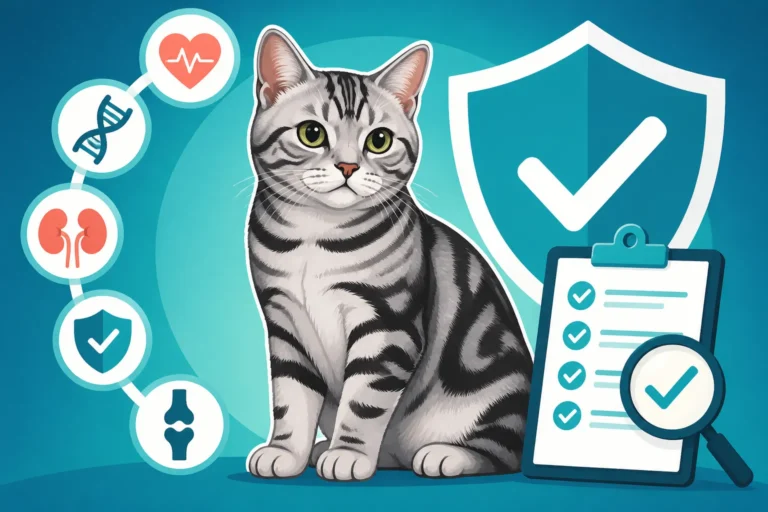
When your veterinarian recommends pre-anesthetic bloodwork, they're not just pulling a random test out of thin air. They're looking at a comprehensive panel designed to assess the function of vital organs and the overall health of your cat's circulatory system. This panel typically includes a complete blood count (CBC) and a biochemistry profile.
The complete blood count (CBC) gives us insights into the different types of cells circulating in the blood. This includes red blood cells, which carry oxygen, white blood cells, which fight infection, and platelets, which are essential for clotting. If your American Shorthair has too few red blood cells (anemia), it could mean they won't carry enough oxygen under anesthesia, leading to complications. High white blood cell counts might signal an underlying infection or inflammation that needs to be addressed before surgery. Low platelet counts could indicate a clotting disorder, which would make any surgical procedure much riskier due to potential excessive bleeding. These are all things you absolutely need to know before your cat goes under.
The biochemistry profile, on the other hand, focuses on organ function. This part of the bloodwork assesses kidney function by looking at markers like BUN and creatinine. If these levels are elevated, it could mean your American Shorthair's kidneys aren't filtering toxins effectively, which is a big concern when anesthetic drugs, which are often metabolized and excreted by the kidneys, are involved. Similarly, enzymes like ALT and ALP give us a window into liver health. The liver processes many anesthetic agents, so any impairment could mean drugs stay in their system longer, leading to a prolonged recovery or more severe side effects. Blood glucose levels are also checked, as diabetes can complicate anesthesia, and electrolyte balances are crucial for heart function. It's a detailed picture of how well your cat's internal systems are coping, and it can truly make the difference between a smooth procedure and a scary complication. You can learn more about which blood values matter most in an American Shorthair by consulting further resources.
Why Every Cat Benefits, Especially "Healthy" Ones
It's a common misconception that if a cat appears healthy on the outside, then bloodwork isn't really necessary. However, cats are masters of disguise when it comes to illness. Their evolutionary history as solitary hunters taught them to hide weakness, and this trait is very much present in our beloved American Shorthairs. They often won't show obvious symptoms until a disease is quite advanced. This stoicism, while part of their endearing nature, can be a serious hurdle for owners trying to gauge their pet's health.
For instance, your American Shorthair might be quietly developing kidney disease, a condition that can creep up on an old American Shorthair without any noticeable signs until it's progressed significantly. Or perhaps there's a subtle liver issue that hasn't manifested as outward sickness yet. Anesthesia puts a strain on these vital organs, even in minor procedures. If an organ is already compromised, even slightly, the stress of anesthesia can push it over the edge, leading to serious, life-threatening complications.
Think about it from your vet's perspective: they need to select the safest anesthetic protocol and dosages for your individual cat. Without knowing the full picture of their internal health, they're essentially flying blind. While it's true that the American Shorthair is a low anesthetic risk overall, this doesn't mean your particular cat is exempt from hidden issues. The bloodwork provides objective data that allows your vet to tailor the anesthesia plan, reducing risks and ensuring the smoothest possible experience. It's an investment in peace of mind, knowing you've done everything possible to ensure their safety. After all, a seemingly minor procedure can turn into a major crisis if underlying health issues aren't identified beforehand.
The American Shorthair and Anesthesia: Specific Considerations
While American Shorthairs are generally considered a hardy and robust breed, there are still breed-specific nuances and general feline health patterns that make pre-anesthetic bloodwork a wise decision. Their strong genetic heritage and relatively low incidence of inherited diseases might lead some owners to believe they're automatically exempt from needing such tests, but that's not always the case.
General Health Profile of the American Shorthair
The American Shorthair is celebrated for its sturdy build and generally good health, often living a long and healthy life. This breed has a reputation for being the "control group of cat breeding" due to their natural origins and lack of extreme features, meaning they typically aren't predisposed to the same severe genetic health issues that plague some other pedigreed cats. However, "generally healthy" doesn't mean "invulnerable." As they age, like all cats, American Shorthairs can develop common senior ailments such as kidney disease, hyperthyroidism, and even some forms of heart disease. Their stoic nature, as mentioned, means they are incredibly good at hiding pain the longest, making subtle signs of illness hard to spot until conditions are advanced.
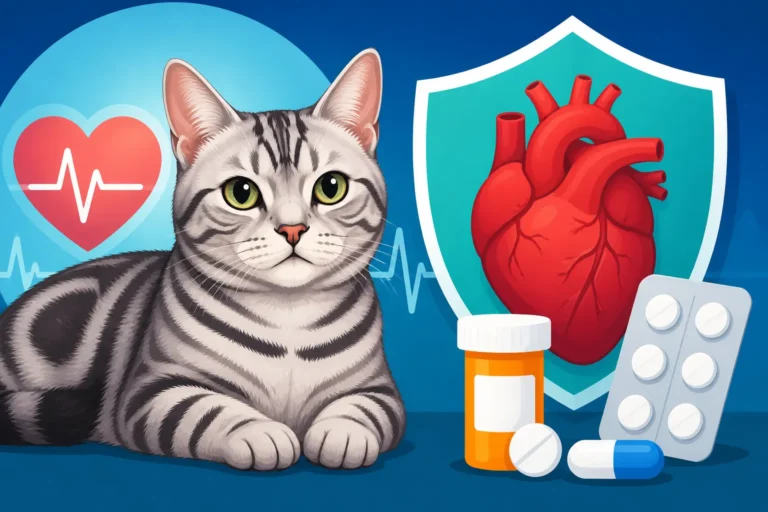
Even in their younger years, an American Shorthair can have individual predispositions or anomalies that aren't apparent from an external examination. For instance, while less common than in some other breeds, hypertrophic cardiomyopathy (HCM) can occur, and certain kidney or liver conditions might exist asymptomatically. Pre-anesthetic bloodwork helps to rule out these silent threats, ensuring that the anesthetic drugs chosen are safe for your individual cat’s metabolic pathways. This proactive approach to health is part of caring for an American Shorthair past twelve, but also an important consideration for younger cats facing a procedure.
When Bloodwork is Non-Negotiable for an American Shorthair
There are definitely situations where pre-anesthetic bloodwork moves from "highly recommended" to "absolutely non-negotiable" for your American Shorthair.
-
Age: This is a huge factor. For senior American Shorthairs (typically those over 7 years old, though some consider them senior even earlier), their organs have simply had more wear and tear. Kidney disease and hyperthyroidism, for example, become much more prevalent with age. Anesthetic drugs are harder for aging kidneys and livers to process, increasing the risk of complications. A senior panel, which is a more comprehensive version of the standard pre-anesthetic bloodwork, is crucial for these older cats to identify any age-related changes that might impact anesthesia. On the other end of the spectrum, kittens also have developing organs and can be more sensitive to anesthetic agents. While simpler bloodwork might be done for a routine spay/neuter in a very young, healthy kitten, your vet will always assess the specific risks. If you're wondering whether an American Shorthair kitten needs an early vet check, the answer is always yes, and this can include discussions about future procedures.
-
Known Health Conditions: If your American Shorthair has any known health issues, no matter how minor they seem, bloodwork is essential. This includes conditions like early-stage kidney disease, heart murmurs, a history of dental issues (which can indicate systemic inflammation), or even chronic allergies. Even if your cat has a mild, controlled condition, the stress of anesthesia can exacerbate it. The bloodwork allows your vet to understand the current state of these conditions and adjust the anesthetic protocol accordingly, perhaps by choosing specific drugs that are less taxing on a particular organ.
-
Prior Adverse Reactions to Anesthesia: This one is a no-brainer. If your American Shorthair has ever had a difficult recovery, prolonged sedation, or any other negative reaction to anesthesia in the past, then pre-anesthetic bloodwork is imperative. This history immediately signals a higher risk, and the bloodwork can help pinpoint if there's an underlying physiological reason for the past reaction, allowing the veterinary team to prevent a recurrence.
In essence, whenever there's an increased risk due to age or pre-existing conditions, the bloodwork provides critical information that can literally save your cat's life by allowing for the safest possible approach.
The Cost vs. Benefit for Your American Shorthair
Let's be realistic: veterinary care can be expensive, and adding pre-anesthetic bloodwork to an already growing bill for a procedure can make us pause. It’s totally understandable to feel that pinch and question whether this particular expense is truly worth it, especially if your American Shorthair seems perfectly fine. After all, you're trying to figure out how much less an American Shorthair owner spends at the vet overall, not increase it.
However, when it comes to anesthesia, the benefit of pre-anesthetic bloodwork far outweighs the cost. Consider the alternative: skipping the bloodwork and hoping for the best. If an undetected kidney issue causes acute kidney failure under anesthesia, or an unknown clotting disorder leads to excessive bleeding, the cost of emergency treatment, extended hospitalization, and potentially intensive care will be astronomically higher than the initial bloodwork. Not to mention the emotional toll of seeing your beloved cat in distress or facing a life-threatening complication that could have been prevented.
The peace of mind that comes from knowing your vet has the most complete picture of your American Shorthair's health before administering powerful drugs is invaluable. It empowers the veterinary team to choose the safest combination of anesthetics and pain medications, adjust dosages as needed, and be prepared for any potential issues. It's a proactive measure that mitigates serious risks.
This is also where pet insurance, like Healthy Paws, can really make a difference. Many comprehensive pet insurance plans include coverage for diagnostic tests, which can help offset the cost of pre-anesthetic bloodwork. It's always worth checking with your provider to understand what's covered in your policy. Investing in this test is truly investing in your American Shorthair's safety, and sometimes, it can be the single most important diagnostic step taken before a procedure.
Deciphering the Results and Moving Forward
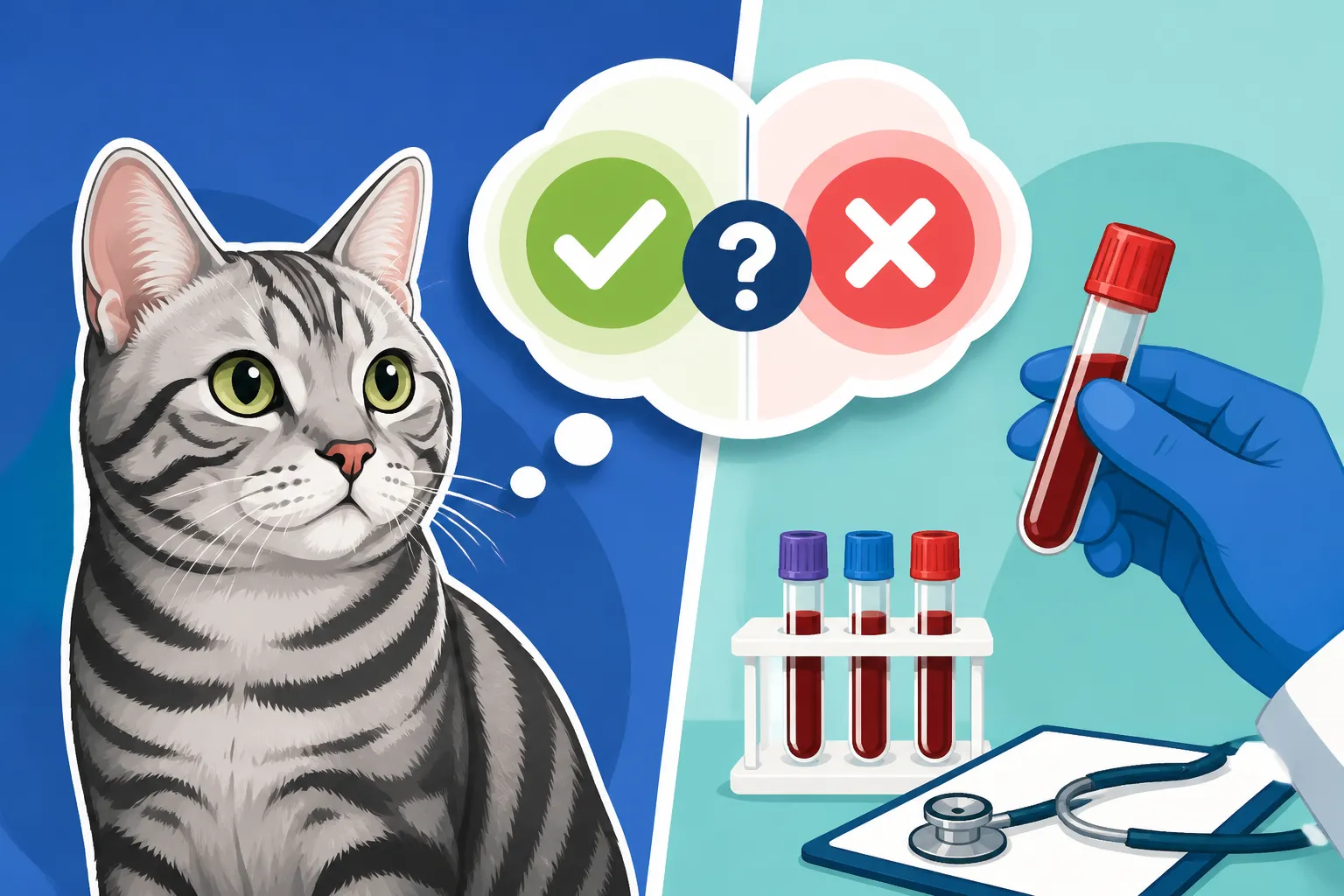
Once the bloodwork has been done, the next step is understanding what the results mean for your American Shorthair's upcoming procedure. This isn't just about getting a pass/fail grade; it's about gaining clarity and making informed decisions with your veterinary team.
What Abnormal Results Mean for Anesthesia Protocols
Finding an abnormal result on your American Shorthair's pre-anesthetic bloodwork can certainly be alarming, but it’s actually a good thing that it was discovered before anesthesia. An abnormal result doesn't automatically mean the procedure is cancelled, but it does mean a conversation and a potential adjustment to the plan.
For example, if the bloodwork reveals elevated kidney values, your veterinarian might recommend several courses of action. They could adjust the specific anesthetic agents used, opting for drugs that are primarily metabolized by the liver rather than the kidneys, or those that are less nephrotoxic (harmful to kidneys). They might also implement intravenous fluid therapy before, during, and after the procedure to support kidney function and help flush the system. In some cases, if the kidney values are significantly high, they might suggest delaying the elective procedure to first investigate and treat the underlying kidney issue, bringing those values into a safer range before proceeding with anesthesia. This might involve additional diagnostics, such as a urinalysis or even an abdominal ultrasound, to get a clearer picture of kidney health.
Similarly, abnormal liver enzymes could lead to a different choice of anesthetic drugs, as many are processed by the liver. The vet might also suggest pre-treating with liver support supplements or delaying the procedure for further investigation of the liver's condition. If the CBC shows low red blood cell counts (anemia), it raises concerns about oxygen delivery during anesthesia. The vet might postpone the procedure to determine the cause of the anemia and stabilize it, potentially through dietary changes, medication, or in severe cases, a blood transfusion. These adjustments are vital to improving the outcome and minimizing risks, highlighting why an American Shorthair needs pre-anesthetic bloodwork.
Discussing Options with Your Veterinarian
The results of pre-anesthetic bloodwork are meant to be a starting point for an open and honest conversation with your veterinarian. They will walk you through each aspect of the report, explaining any findings and what they mean for your American Shorthair. Don't hesitate to ask questions. You should feel fully informed about the risks and benefits of proceeding with or delaying the procedure, given the new information.
Your vet will present you with the safest options based on your cat's individual bloodwork profile. This might include:
- Proceeding as planned with minor adjustments: If abnormalities are mild and deemed manageable with slight tweaks to the anesthetic protocol or supportive care (like IV fluids), the procedure might go ahead as scheduled.
- Delaying the procedure for further diagnostics or treatment: If a significant issue is uncovered, your vet might recommend additional tests (like imaging, specific hormone tests if hyperthyroidism is suspected, or follow-up bloodwork after a short course of treatment) to get a more definitive diagnosis and stabilize the condition before putting your cat under anesthesia.
- Exploring alternative treatments: In rare cases, if the anesthetic risk is deemed too high, your vet might discuss non-surgical alternatives to address the primary issue, if such options exist.
Remember, you are an essential part of your American Shorthair's healthcare team. By understanding the bloodwork results and discussing all available options thoroughly with your veterinarian, you can make an informed decision that prioritizes your cat's safety and long-term health. Pet insurance providers like Healthy Paws often encourage these proactive discussions, as they lead to better health outcomes.
Typical Pre-Anesthetic Bloodwork Components and Significance
To help you understand what your vet is looking at, here's a brief overview of common components in pre-anesthetic bloodwork and why they matter for your American Shorthair:
| Component | What It Measures | Significance for Anesthesia |
|---|---|---|
| Complete Blood Count (CBC) | ||
| Red Blood Cells (RBC) | Oxygen-carrying capacity | Low levels (anemia) mean less oxygen to tissues, increasing anesthetic risk. |
| White Blood Cells (WBC) | Immune system function, infection | High levels indicate infection/inflammation; low levels mean a compromised immune system. |
| Platelets | Blood clotting ability | Low levels increase risk of bleeding during surgery; high levels can indicate inflammation. |
| Blood Chemistry Profile | ||
| BUN & Creatinine | Kidney function | Elevated levels indicate kidney issues, impacting drug excretion and increasing risk. |
| ALT & ALP | Liver function | Elevated levels suggest liver damage, affecting how anesthetic drugs are processed. |
| Glucose | Blood sugar levels | High levels (diabetes) complicate anesthesia; low levels can cause seizures. |
| Electrolytes (Na, K, Cl) | Hydration, nerve & muscle function | Imbalances affect heart rhythm and overall stability during anesthesia. |
| Total Protein / Albumin | Hydration, liver/kidney disease, nutrition | Abnormal levels can indicate underlying disease or affect drug binding and distribution. |
Ultimately, investing in pre-anesthetic bloodwork for your American Shorthair is an act of responsible pet ownership. It’s a proactive step that protects your cat from potential, often hidden, risks associated with anesthesia and ensures they receive the safest, most tailored care possible. Don't view it as an unnecessary expense, but rather as an essential safety net for your beloved feline companion.
Disclaimer
This article is for general informational purposes only and does not constitute professional advice. Laws, prices and regulations vary by location and change over time. Consult a qualified professional for guidance on your specific situation.